Close Menu
 World
World
 Biography
 Health
 Education
 Business
 Lifestyle
 Sports
 Technology
 Animals
 History
 Food
Food
 Religious
 Startups
 Movies
 Politics
 Fashion
 Covid
Covid
 Diet
Diet
 Fitness
 Marketing
 Travel
 Science
 Reviews
 Social media
 Stories
 Facts
Facts
 Art
Art
 Entertainment
Anshika Pal

Technology
User, Vendor & Delivery Modules in On-Demand Grocery Apps
 Anshika Pal
The on-demand grocery delivery market has transformed how consumers shop for essentials, making it crucial for businesses to partner with an experienced grocery delivery app development company to build robust, scalable platforms. Success in this competitive landscape requires a comprehensive understanding of the three core modules that power these applications: User, Vendor, and Delivery. Each module plays a distinct role in creating a seamless grocery shopping experience while working together to ensure operational efficiency.
The User Module: Creating Seamless Shopping Experiences
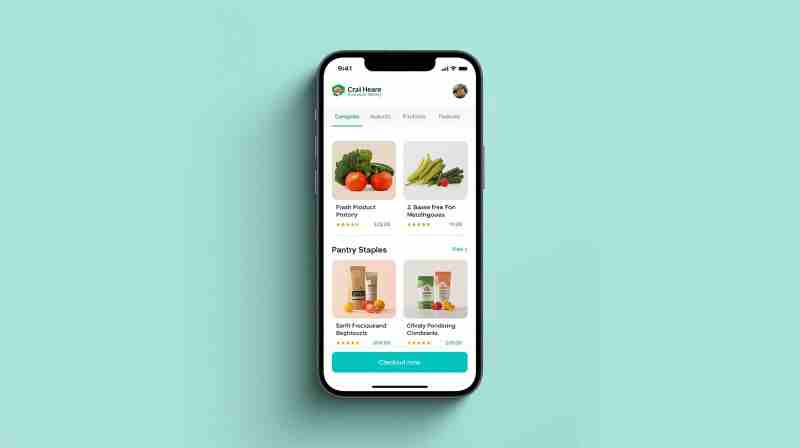
The user module serves as the primary interface where customers interact with your grocery delivery platform. A professional mobile app development team focuses on creating intuitive, feature-rich user experiences that drive engagement and retention.
Essential features include advanced search and filtering capabilities that allow users to quickly locate products by category, brand, or dietary preferences. Smart recommendation engines powered by AI analyze shopping patterns to suggest relevant products, increasing average order values. Real-time inventory visibility ensures customers only see available items, preventing frustration from out-of-stock products.
The checkout process must be streamlined with multiple payment options including credit cards, digital wallets, and cash on delivery. Integration with loyalty programs and promotional codes encourages repeat purchases. Push notifications keep users informed about order status, special offers, and new product arrivals. A well-designed user module also includes order history, reordering capabilities, and customer support chat features for addressing queries promptly.
The Vendor Module: Empowering Store Management
The vendor module is the operational backbone that enables grocery stores, supermarkets, and local vendors to manage their presence on the platform efficiently. When working with a right grocery delivery app development company, businesses should prioritize comprehensive vendor management features.
Inventory management tools allow vendors to update product availability, pricing, and descriptions in real-time. This prevents order cancellations due to stock issues and maintains customer trust. The module should include analytics dashboards displaying sales trends, popular products, and customer demographics, enabling data-driven business decisions.
Order management capabilities let vendors receive, accept, and process orders efficiently. Automated notifications alert store managers about new orders, while batch processing features help manage multiple orders simultaneously during peak hours. Integration with point-of-sale systems ensures seamless synchronization between online and offline inventory.
Revenue tracking and financial reporting features provide vendors with transparent insights into earnings, commissions, and settlement schedules. A quality mobile app development approach ensures vendors can manage their operations through both web panels and mobile applications, offering flexibility in how they run their business.
The Delivery Module: Ensuring Timely Fulfillment
The delivery module is critical for maintaining customer satisfaction through reliable, timely order fulfillment. This component connects delivery personnel with orders while optimizing routes for efficiency.
GPS-based tracking allows delivery partners to navigate to pickup and drop-off locations accurately. Real-time order assignment algorithms match deliveries with available personnel based on proximity, current workload, and traffic conditions. This intelligent routing reduces delivery times and operational costs.
Delivery personnel can manage their availability, view earnings, and track performance metrics through their dedicated app interface. Features like proof of delivery through photos or digital signatures protect both customers and delivery partners. In-app navigation integration with popular mapping services ensures optimal route planning.
The module should include earnings management where delivery partners can view trip history, calculate daily income, and access timely payouts. Rating systems allow customers to provide feedback, helping maintain service quality standards.
Integration and Scalability Considerations
Choosing the right grocery delivery app development company means partnering with experts who understand how these three modules must work in harmony. Seamless integration ensures that when a user places an order, the vendor receives it instantly, and the delivery system automatically assigns the most suitable delivery partner.
Advanced mobile app development incorporates cloud-based infrastructure for scalability, allowing the platform to handle traffic spikes during peak shopping hours. Security features including data encryption, secure payment gateways, and compliance with privacy regulations protect all stakeholders.
A successful on-demand grocery app requires meticulous planning and execution across all three modules. By understanding the unique requirements of users, vendors, and delivery partners, businesses can create platforms that deliver value to everyone involved while building a sustainable, profitable grocery delivery ecosystem.
Source:
Click for the: Full Story
You might like