


 Close Menu
 World
 Biography
 Health
 Education
 Business
 Lifestyle
 Sports
 Technology
 Animals
 History
 Food
 Religious
 Startups
 Movies
 Politics
 Fashion
 Covid
 Diet
 Fitness
 Marketing
 Travel
 Science
 Reviews
 Social media
 Stories
 Facts
 Art
 Entertainment
Daniel Weston

Marketing
What Are the Core Structural Components of an Advanced Earthing System?
 Daniel Weston
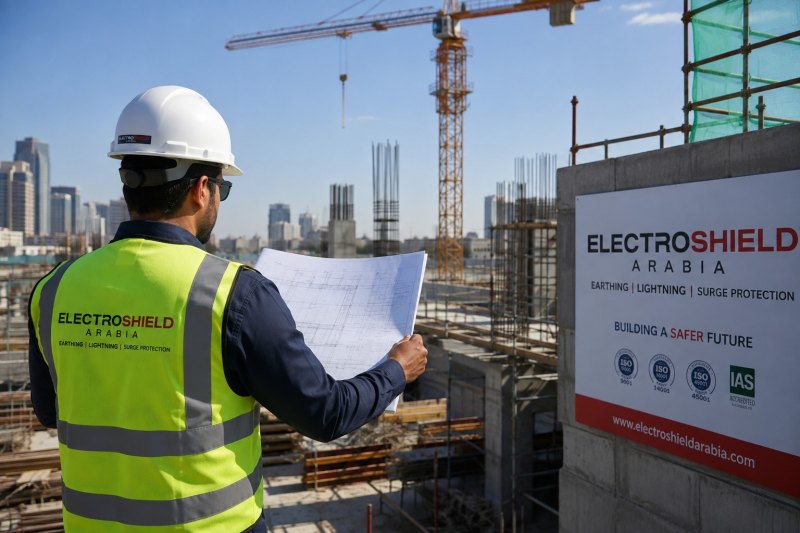
Modern commercial complexes, industrial plants, and utility installations require sophisticated protection against electrical surges, lightning strikes, and short circuits. An engineered earthing system acts as a safe outlet for fault currents, preventing high-voltage spikes from damaging equipment or posing shock hazards to staff. A complete system includes a network of interconnected components designed to function seamlessly under extreme electrical stress.
Understanding how these elements work together allows project developers and facility managers to make informed decisions during design and procurement. Working alongside specialized engineering contractors guarantees that material specifications, conductor sizes, and layout geometries meet international safety regulations and local code requirements.
How Does Integrated Grounding Enhance Surge and Lightning Safety?
Lightning protection and surge suppression systems cannot function effectively without a low-resistance path to the earth. Implementing a coordinated electrical grounding infrastructure allows air terminals and surge protection devices to divert intense transient energy directly into the ground within nanoseconds.
By establishing a low-impedance discharge route, facility managers can prevent hazardous side-flashing, structural damage, and fire hazards caused by atmospheric discharges. Integrated grounding schemes serve as the final dissipation medium, protecting high-value equipment, sensitive automation systems, and building occupants alike.
What Components Are Essential for an End-to-End Grounding Network?
Vertical Earth Rods and Horizontal Grid Conductors
Vertical earth rods penetrate low-resistivity soil layers, while horizontal copper tape grids distribute fault currents over a broad surface area. Together, these elements form a low-resistance matrix that minimizes ground potential rise during power surges.
Inspection Wells and Disconnecting Links
Accessible concrete or polymer inspection wells allow maintenance personnel to isolate specific electrode groups for testing. Removable test links make routine resistance measurements fast, accurate, and non-disruptive to overall plant operations.
How Do Engineering Teams Deliver Turnkey Grounding Infrastructure?
Risk Analysis and Detailed Specification
Engineers begin by calculating structural lightning risk and short-circuit fault levels. This evaluation dictates exact conductor cross-sections, bonding requirements, and electrode configurations required for the site.
Installation Quality and Field Verification
Trained installation technicians lay copper grids, execute exothermic welds, and fit cable glands and lugs to high standards. Comprehensive testing verifies that final resistance values comply with project requirements before system sign-off.
Essential Steps in System Implementation- Conducting initial risk assessments based on facility usage and geographical location.
- Preparing engineered installation drawings and material submittals.
- Installing earth electrode fields, earth pits, and bonding conductors.
- Connecting structural elements using permanent exothermic welding.
- Carrying out continuity and resistance testing for final commissioning approval.
Combining detailed design, certified materials, and expert installation creates a robust protective system that withstands demanding conditions. A verified protection grid eliminates hidden electrical hazards and maintains continuous operational availability for high-value assets.
To safeguard your facility with fully certified electrical safety systems, partner with regional engineering leaders. Contact Electroshield Arabia for expert design, material supply, installation, testing, and commissioning services across Saudi Arabia.
Source:
Click for the: Full Story
You might like







You Might Like this