



 Close Menu
 World
World
 Biography
 Health
 Education
 Business
 Lifestyle
 Sports
 Technology
 Animals
 History
 Food
Food
 Religious
 Startups
 Movies
 Politics
 Fashion
 Covid
Covid
 Diet
Diet
 Fitness
 Marketing
 Travel
 Science
 Reviews
 Social media
 Stories
 Facts
Facts
 Art
Art
 Entertainment
Ryan International

Business
What Are the Main Uses of Light Soda Ash in Different Industries?
 Ryan International
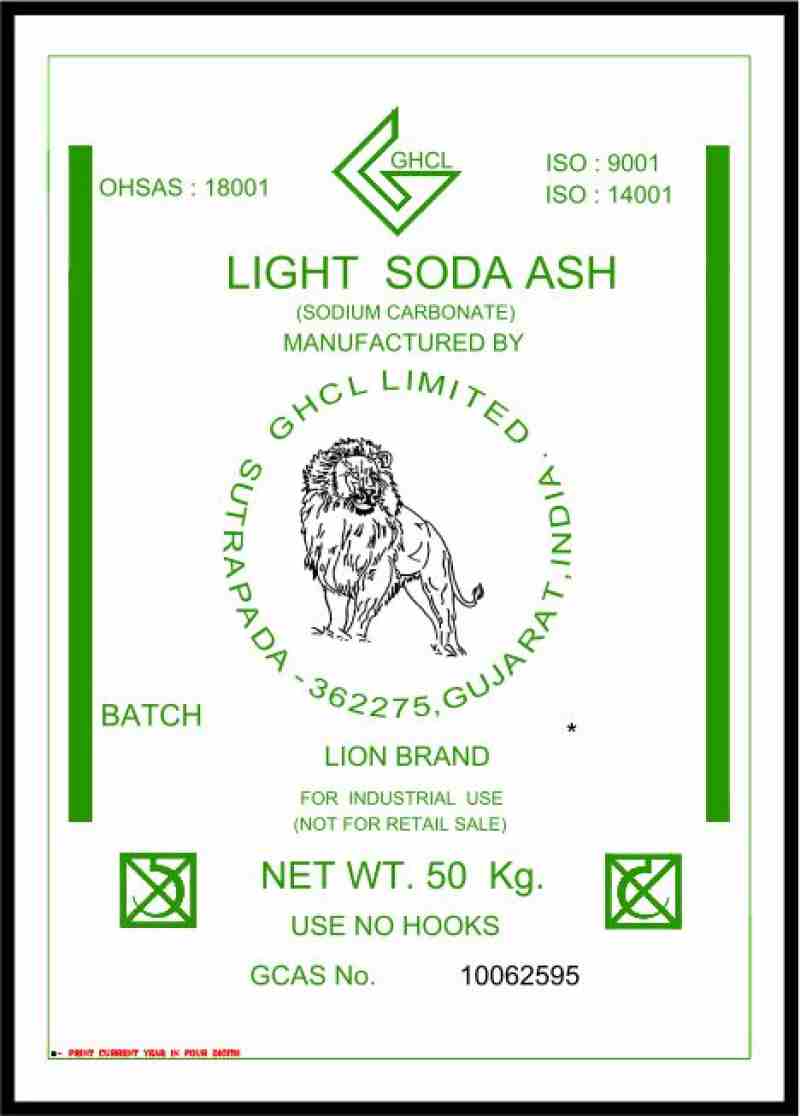
Different manufacturing industries require chemicals that can support production, improve processing, and maintain consistent results. Light Soda Ash is widely used as an industrial raw material in detergents, chemical processing, water treatment, textiles, paper, and several other applications. Its useful alkaline properties and good solubility make it suitable for processes where reliable chemical performance is important.
The demand for soda ash continues across industries because it can be used in different formulations and manufacturing processes. However, the required grade and quantity can vary depending on the application.
Key Takeaways
- Light Soda Ash is used across many manufacturing and processing industries.
- It is commonly used in detergents, chemicals, water treatment, textiles, and paper.
- It supports alkaline conditions and various chemical reactions.
- Dense Soda Ash can be preferred for applications requiring higher bulk density.
- Proper product selection helps maintain consistent industrial production.
Technical Explanation
Light Soda Ash is a form of sodium carbonate that is commonly supplied as a white, free-flowing powder. It is valued for its alkalinity, solubility, and ability to participate in different chemical processes.
Its applications are not limited to one particular industry. Manufacturers select it according to their process requirements, desired purity, handling conditions, and final-product specifications.
Detergent Manufacturing
One of the most common applications of Light Soda Ash is detergent manufacturing. It is used in washing powders and cleaning formulations because its alkaline nature can support the removal of grease, oil, and dirt.
It can also help create suitable conditions for other ingredients used in detergent formulations. For manufacturers, consistent quality is important because variations in raw materials may affect the final formulation.
Chemical Industry
The chemical industry uses sodium carbonate in several manufacturing processes. Depending on the application, it can function as a chemical reactant, alkalinity source, or pH-control material.
A suitable Soda Ash Chemical product should meet the specifications required by the particular manufacturing process. Purity, moisture, particle characteristics, and consistency are some factors that manufacturers may consider before purchasing.
Water Treatment
Water treatment is another area where sodium carbonate has practical applications. It can be used to adjust alkalinity and help soften water by supporting the removal or control of certain dissolved minerals.
The quantity required depends on the quality of the water and the treatment objective. Proper dosing helps manufacturers and treatment facilities achieve more consistent results.
Textile Processing
The textile industry uses various chemicals during fabric preparation, dyeing, and finishing. Light Soda Ash can help create alkaline conditions required for particular dyeing processes.
Its effectiveness depends on the type of textile, dye, and processing method. Consistent chemical quality can help textile manufacturers maintain stable production conditions.
Pulp and Paper Industry
Soda ash is also used in selected pulp and paper processing applications. The alkaline properties of the material can be useful where specific chemical conditions are required.
The exact application depends on the manufacturing process and the type of paper being produced. Manufacturers generally select raw materials according to their technical specifications and process requirements.
Glass Manufacturing
Soda ash has an important role in glass production. It works as a flux, helping reduce the melting temperature of silica. This makes the glass-melting process more practical and can support efficient furnace operation.
Soda Ash Glass applications include bottles, containers, windows, flat glass, and other everyday glass products. For glass manufacturers, selecting the correct quality and grade is important for maintaining consistent glass composition.
How to Choose the Right Soda Ash for Your Industry
Choosing the right material requires more than simply comparing prices. Businesses should first understand their production requirements and then select a product that matches those needs.
1. Understand Your Application
Identify exactly where the chemical will be used. A detergent manufacturer may have different requirements from a glass or chemical manufacturer.
2. Check Product Specifications
Review important specifications such as purity, bulk density, moisture, particle size, and solubility. These characteristics can influence handling and production performance.
3. Compare Suitable Grades
Manufacturers may compare Light Soda Ash with Dense Soda Ash depending on their application. Dense Soda Ash has a higher bulk density and can be suitable for processes where this physical characteristic is preferred.
4. Consider Supply Requirements
For regular production, consistent availability is important. Delays in raw-material supply can affect manufacturing schedules and inventory planning.
5. Select a Reliable Supplier
Working with a dependable supplier can help businesses receive consistent-quality materials, suitable packaging, and timely deliveries according to their requirements.
Other Industrial Chemical Applications
Industrial manufacturing often requires more than one type of chemical. For example, Sodium Nitrite is used in specific applications involving metal treatment, chemical processing, and other industrial processes.
Similarly, Soda Ash Chemical products may be selected for applications requiring alkalinity or sodium carbonate as part of the manufacturing process. Therefore, businesses should always match the chemical grade with the intended application.
Conclusion
Light Soda Ash is an important industrial chemical with applications across detergents, chemical manufacturing, water treatment, textiles, pulp and paper, and glass production. Its alkaline properties, solubility, and versatility make it useful for different manufacturing processes.
The correct product selection depends on the industry's requirements, production conditions, purity specifications, handling needs, and supply expectations. While Dense Soda Ash may be more suitable for certain applications, manufacturers should evaluate the physical and technical requirements before making a decision.
By choosing consistent-quality raw materials from a reliable supplier, industries can support smoother production and maintain better product consistency.
FAQ Section
What is Light Soda Ash commonly used for?
It is commonly used in detergent manufacturing, chemical processing, water treatment, textile processing, pulp and paper, and glass-related applications.
Is Light Soda Ash used for making glass?
Yes. Sodium carbonate is widely used in glass manufacturing as a flux because it helps lower the melting temperature of silica.
What is the difference between Light Soda Ash and Dense Soda Ash?
The main difference is their physical characteristics, particularly bulk density. The appropriate grade depends on the requirements of the manufacturing process.
Why is soda ash used in detergents?
Its alkaline nature helps support cleaning formulations and assists in creating suitable conditions for removing oils, grease, and dirt.
Can soda ash be used in water treatment?
Yes. It can be used for alkalinity adjustment and certain water-softening applications, depending on the water chemistry and treatment requirements.
How can manufacturers select the right soda ash?
Manufacturers should consider purity, application, physical properties, required quantity, packaging, storage, supplier reliability, and delivery requirements before purchasing.
Source:
Click for the: Full Story
You might like








You Might Like this