



 Close Menu
 World
World
 Biography
 Health
 Education
 Business
 Lifestyle
 Sports
 Technology
 Animals
 History
 Food
Food
 Religious
 Startups
 Movies
 Politics
 Fashion
 Covid
Covid
 Diet
Diet
 Fitness
 Marketing
 Travel
 Science
 Reviews
 Social media
 Stories
 Facts
Facts
 Art
Art
 Entertainment
kili Trips

Travel
What's the Best Kilimanjaro Climbing Package for Complete Beginners?
 kili Trips
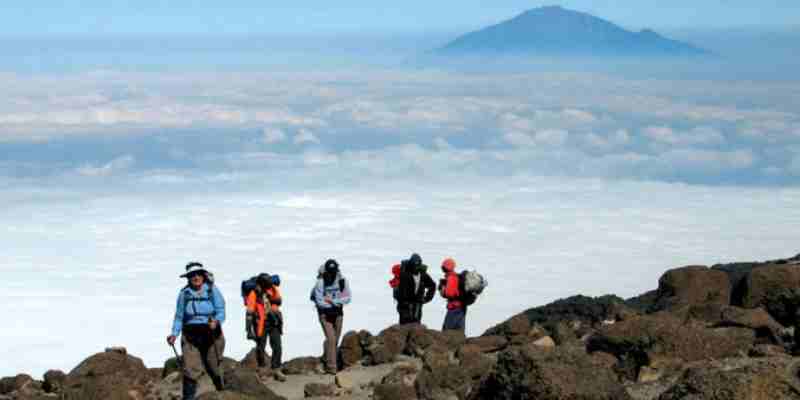
Thinking of your first mountain adventure? Kilimanjaro is an impressive bucket-list adventure, and the best part is that you do not require any prior climbing experience to get to Uhuru Peak. The most important aspect of a successful climb is to select the appropriate Kilimanjaro climbing packages depending on your fitness and schedule. Beginners with the right preparation and a good climbing package can reach the top of the highest mountain in Africa, which is 19,341 feet.
This resource will assist you in sifting through the choices and locating the most favourable Kilimanjaro climbing packages that are tailored to first-time climbers.
How Do You Choose the Right Kilimanjaro Package as a Beginner?
Understanding What Makes a Beginner-Friendly Package
Kilimanjaro climbing packages are not all created equal. An introduction package must come with a minimum acclimatization period of 6-7 days, expert and seasoned guides who have undergone training on how to handle altitude sickness and small groups of 8-12 people. The inclusion of quality support by porters to carry your equipment, comfortable lodging or camping arrangements, and pre-climb fitness advice are the fundamental elements.
The Marangu Route has been suggested as the most comfortable hut-based accommodation and the simplest route to the summit, and is usually suggested to beginners. This path will enable you to sleep in beds, as opposed to tents, which can considerably influence your total experience.
Why Acclimatization Time Matters?
Physical difficulty is not the biggest problem for beginners; it is altitude sickness. Any person may have high-altitude cerebral edema (HACE) and high-altitude pulmonary edema (HAPE), independent of state of fitness. Budget Kilimanjaro climbing packages tend to squeeze the expedition into 5 days, which greatly predisposes to sickness and lowers success rates.
By spending time in a 6-8 day package, your body will have time to acclimate to thinner air. Your blood will be full of red blood cells, which will be able to carry more oxygen, and your lungs will adapt to the pressure of the lower atmosphere. Such a slow process indicates that you have a greater chance of making it to the top in a safe and pleasant manner instead of enduring it.
What Are the Most Popular Routes for Beginner Climbers?
The Lemosho and Machame trails are also great in terms of acclimatization, even though the terrain is a little steeper than Marangu, and therefore are suitable for the novice who cares more about safety than ease. Lemosho Route is the one that is mostly suggested as it is the one approaching the mountain on the west side, having more picturesque views and offering better adjustment to the altitude, as it is longer.
The Whiskey Route, or Machame, is a more difficult, yet more rewarding route with a variety of ecosystems. It traverses rainforests, moorlands, and alpine deserts and offers you a full Kilimanjaro experience.
The Rongai Route is the least used and least busy coming from the north, hence it is an ideal option if you would like to have a less busy climb with good acclimatization.
How Much Should You Budget for a Beginner Kilimanjaro Climbing Package?
Best packages for climbing Mt. Kilimanjaro are usually between $1,500 and 3,500 USD, which is based on the choice of route, the quality of accommodation, the number of people in the group, the reputation of the operator, and the time of the year.
Budget packages: These are low-budget packages priced between 1,200 and 1,800 that provide basic, yet functional services. Mid-range packages (1,800 to 2,500) should be offered to beginners since they are safe, comfortable, and affordable without any luxury add-ons. Luxury packages with a premium package of $2,500-4,000 and above offer a luxury experience with additional support services.
Kilimanjaro mid-range climbing packages are the most suitable for beginners. They contain good guides, good porter support, good food and emergency systems without the overstated luxury fees. In making cost comparisons, bear in mind that the lowest cost is seldom the best in terms of experience or safety history.
What Do Beginners Need to Prepare Before Booking?
Pre-Climb Training Essentials
Begin cardiovascular training 3-4 months prior to your climb. Training Hiking with a weighted backpack with 15-20 pounds to replicate the physical exertion. Exercise leg strength: squats, lunges, and climbing stairs. Test your equipment on shorter mountain hikes to verify that all is well and comfortable.
Have a good medical check-up prior to booking. Talk to your physician about your climbing plans, particularly in case of any underlying conditions. This consultation will be essential in knowing whether or not you should be on altitude medication such as Diamox.
Mental Preparation
Climbing Kilimanjaro is 80% mental and 20% physical. Read and research your selected Kilimanjaro climbing packages, read reviews of past climbers, watch summit videos and visualize tough situations. Pictureing a victory is useful during challenging parts of the climbing process.
Get in touch with other climbers who have used your operator. Facebook groups and online forums of Kilimanjaro climbers are helpful in terms of advice and motivation.
Final Thoughts
The selection of the appropriate Kilimanjaro climbing packages will be the first step in conquering the highest peak of Africa. They should avoid rushing but rather enjoy their acclimatization, spend on middle-range packages that are reliable and make reservations with established operators who value safety over hard selling.
Keep in mind: All summiteers on Kilimanjaro at one time were novices. Through the right training, package and determination, you will be among the thousands of people who celebrate at the Uhuru Peak.
Are You Ready to begin your adventure?
Action Plan: Find out more about the best 3-4 beginner-friendly tour operators, compare their services, and make a consultation call. It is your Kilimanjaro dream--do not let indecision delay you!
Register your entry package and become a member of the summit club.
Frequently Asked Questions
Q: Am I allowed to climb Kilimanjaro as an absolute beginner with no experience in hiking?A: Yes! Thousands of novices successfully climb every year, although prior hiking experience is beneficial. The trick lies in picking those packages which are properly acclimatized and have the skilled assistance of experienced guides.
Q: What is the success rate of novice climbers?A: With proper guidance, about 6-7-day packages, about 85-90% of climbers make it to the summit. The success rates of 5-day packages (60-70%) are low because the time to adjust to the altitude is insufficient.
Q: Does a beginner climber need to have Diamox?A: Not necessarily, but it is a precaution that is suggested by many guides. Talk with your doctor prior to making a reservation. Medical consultation will always be part of the pre-climb services of good Kilimanjaro climbing packages.
Q: What can I do to prevent altitude sickness?A: Book longer packages of 7 or more days, keep hydrated throughout the climb, climb at a slow pace, and keep up with your guide. Not in a hurry--Kimanjaro is Pole pole (slow, slowly) as its motto says.
Q: What is and is not covered on beginner packages?A: guides, porters, accommodation and meals are usually included. Exclusions generally consist of international flights, visas, travel insurance and personal climbing equipment such as boots and jackets.
Source:
Click for the: Full Story
You might like






You Might Like this