



 Close Menu
 World
World
 Biography
 Health
 Education
 Business
 Lifestyle
 Sports
 Technology
 Animals
 History
 Food
Food
 Religious
 Startups
 Movies
 Politics
 Fashion
 Covid
Covid
 Diet
Diet
 Fitness
 Marketing
 Travel
 Science
 Reviews
 Social media
 Stories
 Facts
Facts
 Art
Art
 Entertainment
Shashi Ranakoti

Travel
Why Morning Safaris Offer the Best Experience in Rajaji National Park
 Shashi Ranakoti
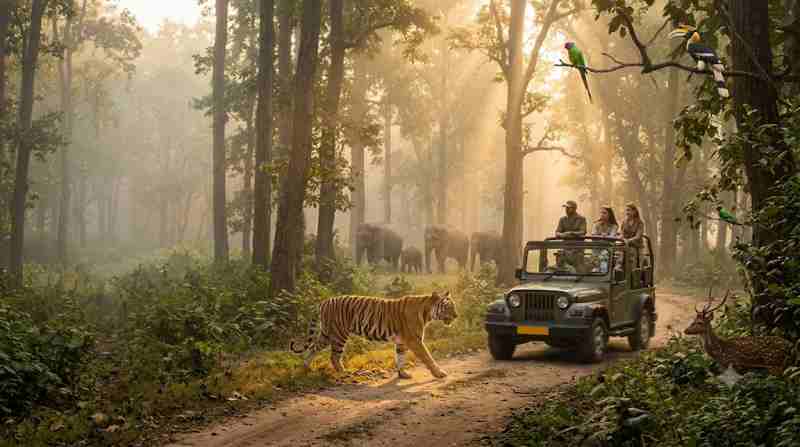
Ask anyone who's done both slots at Rajaji National Park, and they'll tell you the same thing. The morning safari just hits different. There's something about entering the forest right as it wakes up, when the light is still soft, and the animals haven't retreated into the shade yet, that the evening slot can't quite match.
If you're trying to decide between a morning or evening Rajaji National Park safari, this is worth reading before you book. It's not just personal preference. There are real, practical reasons the early slot tends to deliver a better forest experience overall.
What Makes Mornings Different in the Forest
A forest doesn't behave the same way at 6 AM as it does at 4 PM, and that difference matters a lot when you're on safari.
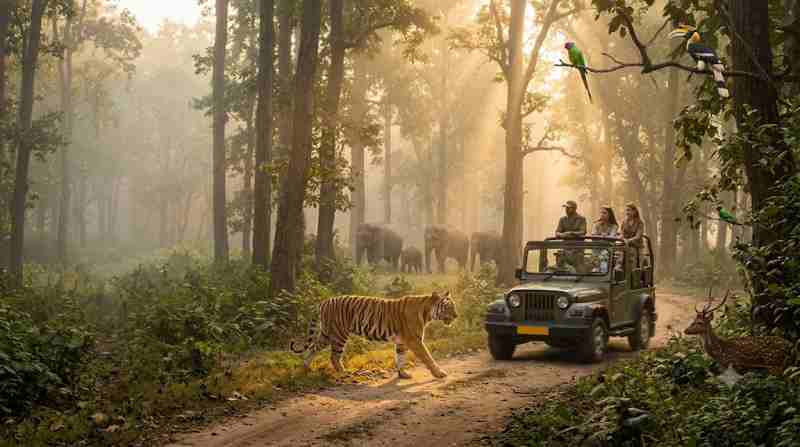
Elephants, deer and most other animals in Rajaji National Park are most active in the cooler hours right after sunrise. They're out feeding, moving between water sources, and generally easier to spot in open patches before the day heats up and pushes them into dense cover. By the time an evening safari starts, a lot of that activity has already slowed down for the day.
There's also the sound factor. Early mornings in the forest are quieter, both from fewer vehicles on the tracks and from the natural stillness that hangs over the Shivalik forests before the day gets going. That quiet works in your favour, since sound travels and animals notice a noisy jeep from a distance.
Better Wildlife Sightings on a Morning Safari
This is the biggest reason people prefer the early slot, and it comes down to basic animal behaviour.
Elephants Are More VisibleRajaji National Park has one of the largest wild elephant populations in North India, and mornings are when herds are most likely to be out in open grassland or crossing riverbeds, rather than tucked away under tree cover, avoiding the afternoon heat.
Birds Are More ActiveEarly morning is peak activity time for birdlife. With over 300 recorded species in the park, a jungle safari at sunrise gives photographers and birdwatchers a real shot at seeing hornbills, eagles and woodpeckers going about their morning routines.
Predators Move Before the Heat Sets InTigers and leopards are rarely seen at any time of day, but if there's a window when they're more likely to be active and moving, it's the cooler hours right after dawn. Evening sightings do happen, but morning odds are generally considered better by guides who've spent years tracking patterns here.
Cooler Weather Makes a Real Difference
Anyone who has sat through a 4 PM safari in April knows the heat can be brutal, especially in an open jeep with no shade. A morning safari means you're moving through the forest while temperatures are still comfortable, which makes the whole three-hour ride far more enjoyable.
This matters more than people expect. Heat fatigue affects how alert you are, and staying sharp is exactly what you need if you want to catch a fleeting glimpse of something moving in the undergrowth.
Why Photographers Prefer the Morning Slot
If wildlife photography is part of why you're visiting Rajaji National Park, the morning slot isn't optional; it's essential.
The light right after sunrise, often called golden hour by photographers, is soft, warm and low in the sky. It brings out detail and colour in a way that harsh midday sun simply can't. Evening safaris do get a version of this too, but morning light tends to last longer across the safari window and creates less glare on water and open grassland.
A few practical photography tips for the morning slot:
- Carry a zoom lens if you have one, since animals often keep their distance
- Keep your camera settings ready before the jeep moves, since sightings happen fast
- Avoid flash photography entirely; it's banned and can startle wildlife
- Shoot early in the slot when the light is at its best, rather than waiting
A Quieter, More Peaceful Jungle Experience
Beyond the wildlife and the lighting, there's something to be said for the atmosphere itself. Morning safaris in Rajaji National Park tend to have fewer jeeps on the road compared to the more popular evening slots, particularly on weekdays.
That quieter setting changes the whole feel of the trip. Instead of a rushed drive trying to catch a glimpse before sunset, you get a slower, more immersive forest experience where the sounds of birds, rustling leaves and distant animal calls actually stand out.
For nature lovers who want to feel like they're genuinely in the wild rather than on a quick tourist loop, this is where the morning slot earns its reputation.
Morning Safari vs Evening Safari: Quick Comparison
Wildlife activity: Morning is higher, especially for elephants and birds. Evening is moderate, since animals are settling down for the day.
Weather: Morning is cooler and more comfortable. Evenings tend to be warmer, especially during summer months.
Lighting for photography: Morning offers soft golden light, which is ideal for photos. Evening light is decent, but the good window is shorter.
Crowd levels: Morning safaris are generally quieter. Evening slots get busier, especially on weekends.
Best for: Morning suits photography, birdwatching and serious wildlife spotting. Evening works well for relaxed sightseeing on an easier schedule.
If your priority is genuine wildlife sightings and photography, morning wins. If you'd rather sleep in and still get a decent forest experience, evening works fine too.
Best Months for a Morning Safari
Not every month offers the same conditions, so timing your visit matters as much as timing your slot.
November to February brings the most pleasant morning temperatures, ideal if you want comfort along with good visibility. March and April still offer solid mornings with warmer days building up. May to mid-June, right before the park closes for monsoon, is actually one of the best windows for serious wildlife activity, since animals gather near water sources early in the day to beat the coming heat.
Whichever month you pick, the core advantage holds. A morning Rajaji National Park safari consistently outperforms the evening slot when it comes to spotting elephants and other wildlife in the open.
What to Carry for a Morning Safari
A little preparation goes a long way with an early start.
- A light jacket or shawl, since mornings can be sharp even when the day warms up fast
- Binoculars, especially useful for spotting birds and distant movement
- A fully charged camera or phone, with an extra battery if you're shooting through the whole slot
- A water bottle, since the safari runs around three to three and a half hours
- Neutral coloured clothing, avoiding bright shades that stand out in the forest
Safari Etiquette Worth Knowing
A few habits make the experience better for you and for the wildlife around you.
Stay seated inside the jeep at all times, even if something exciting appears close by. Keep conversations low and avoid sudden loud noises, since sound carries far in a quiet forest and can scare animals off before you even get a good look. Skip flash photography completely, and never ask your driver to get closer than what feels safe, especially around elephants.
Booking Your Morning Safari
Morning slots at Rajaji National Park, particularly in the Chilla zone, tend to fill up faster than evening ones since most serious wildlife watchers request them first. Booking a few days ahead is usually enough outside peak season, but during December and January, it's worth booking one to two weeks in advance to avoid missing out.
If you'd rather skip the back-and-forth of checking availability yourself, working with a local operator to arrange your Rajaji National Park Safari makes the process a lot smoother, especially if you're travelling from Rishikesh and want the zone and timing sorted without hassle.
Final Thoughts
If you're weighing your options for a Rajaji National Park safari, the morning slot is where the real forest experience happens. Cooler air, active wildlife, better light and a quieter jungle all come together in a way the evening simply can't replicate.
Book your morning safari early, pack light but smart, and go in ready for a slower, more rewarding few hours in the forest. Once you've done a sunrise safari through Rajaji National Park, it's hard to settle for anything less.
FAQs
1. Is the morning safari really better than the evening safari at Rajaji National Park?
Yes, for most visitors. Wildlife activity, lighting and cooler weather all tend to favour the morning slot, though evening safaris still offer a decent forest experience.
2. What time does the morning safari start at Rajaji National Park?
It usually starts around 6 AM during winter months and slightly earlier, around 5:30 AM, once summer approaches.
3. Are elephants easier to spot in the morning?
Generally yes. Elephants tend to be more active and visible in open areas during the cooler morning hours before retreating into shade later in the day.
4. Is the morning safari good for wildlife photography?
Absolutely. The soft early light is ideal for photography and tends to bring out far better detail than the harsher light later in the day.
5. How long does a morning safari last?
Most morning safaris run for around three to three and a half hours, depending on the season and zone.
6. Should I book the morning slot in advance?
Yes, especially during peak winter season when morning slots at popular zones like Chilla fill up quickly.
7. What should I wear for a morning safari?
Neutral, muted colours are best, along with a light jacket since early mornings can be cooler than expected.
8. Which zone is best for a morning safari at Rajaji National Park?
Chilla Zone is the most popular choice for morning safaris, mainly due to strong elephant sightings and easy access from Rishikesh and Haridwar.
Source:
Click for the: Full Story
You might like





You Might Like this