Close Menu
 World
 Biography
 Health
 Education
 Business
 Lifestyle
 Sports
 Technology
 Animals
 History
 Food
 Religious
 Startups
 Movies
 Politics
 Fashion
 Covid
 Diet
 Fitness
 Marketing
 Travel
 Science
 Reviews
 Social media
 Stories
 Facts
 Art
 Entertainment
Dash Geometry

Education
Wordle: The New York Times Game That Turned Words Into a Daily Ritual
 Dash Geometry
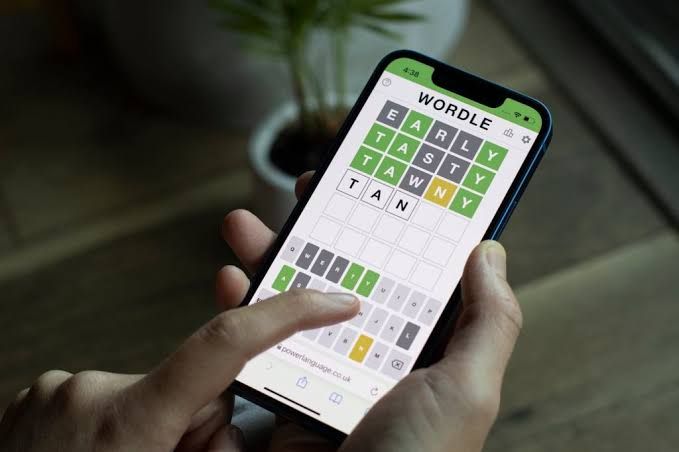
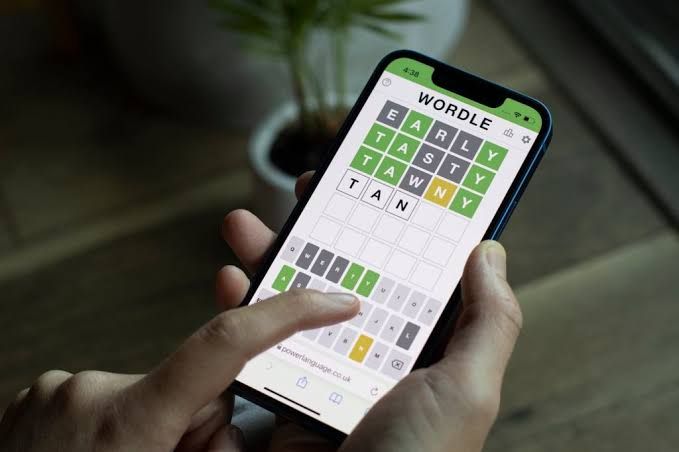
Wordle is a simple word puzzle with an unusually powerful hold on its players. Each day, the New York Times presents one hidden five-letter word. Players have six attempts to identify it, receiving color-coded clues after every guess: green means a letter is correct and in the right place, yellow means it appears elsewhere in the word, and gray means it is absent. The rules take seconds to learn; the challenge is in using them well.
From personal project to daily habit
Software engineer Josh Wardle created Wordle in 2021 as a game for his partner, who enjoyed word puzzles. He later shared it publicly, where it spread rapidly through social media. In January 2022, The New York Times acquired the game and added it to its collection of puzzles.
Its popularity owes much to its limits. There is only one puzzle each day, so players cannot immediately move on to an endless supply of rounds. That scarcity makes the game feel like a shared event: friends, colleagues, and family members can compare results while avoiding spoilers. The familiar grid of colored squares lets people share how they did without revealing the answer.
Strategy and satisfaction
Wordle combines vocabulary with deduction. A strong opening guess often includes common letters—such as E, A, R, or T—and avoids repeating letters unnecessarily. Later guesses should make use of all available information rather than simply trying another plausible word. If a clue shows that a letter is in the answer but in the wrong position, the player must test new placements while ruling out known dead ends.
There is no single perfect strategy. Some players prefer words chosen to uncover frequent letters; others use personal favorites or begin with a different word each day. This freedom is part of the appeal. Success feels earned not only through knowing words, but through making careful decisions under a small amount of pressure.
The game also offers an accessible break. A round is brief, the interface is uncluttered, and failure has little consequence. For many, Wordle provides a small daily challenge that can be enjoyed alone or used to start a conversation.
Criticisms and trade-offs
Wordle’s popularity has also prompted concerns. A daily puzzle can become a habit, and streak counts may make some players feel that missing a day is a failure rather than a harmless choice. Social sharing can be fun, but it can also create pressure to participate—or expose people to spoilers.
Some players have questioned changes to the game’s word list after its move to The New York Times. The newspaper has edited the list, in part to remove words it considers obscure or potentially insensitive. Such decisions can make the game more approachable, though changes may frustrate players who expect the same experience or question which answers count as fair.
There is also a broader discussion about digital games becoming commercial products. Wordle began as a free, personal project and became part of a subscription-supported puzzle platform. That transition raises questions about ownership and access, even as the game remains available to a wide audience.
Why Wordle endures
Wordle is not technically elaborate, but its design is remarkably effective: clear rules, limited attempts, immediate feedback, and a shared daily rhythm. Its appeal lies in balancing individual problem-solving with social connection. Whether it remains a lasting ritual or a passing trend, Wordle demonstrates how a small, well-designed game can make language feel playful—and turn a few colored squares into a conversation.
Source:
Click for the: Full Story
You might like