Close Menu
 World
 Biography
 Health
 Education
 Business
 Lifestyle
 Sports
 Technology
 Animals
 History
 Food
 Religious
 Startups
 Movies
 Politics
 Fashion
 Covid
 Diet
 Fitness
 Marketing
 Travel
 Science
 Reviews
 Social media
 Stories
 Facts
 Art
 Entertainment
George Hicksen

Health
Advanced Pet Surgery: Specialized Treatment for Complex Animal Health Conditions
 George Hicksen
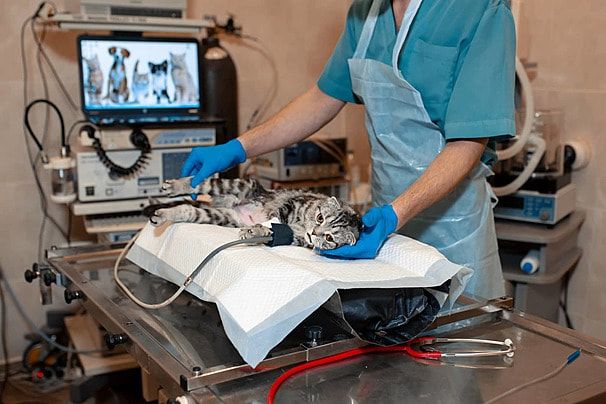
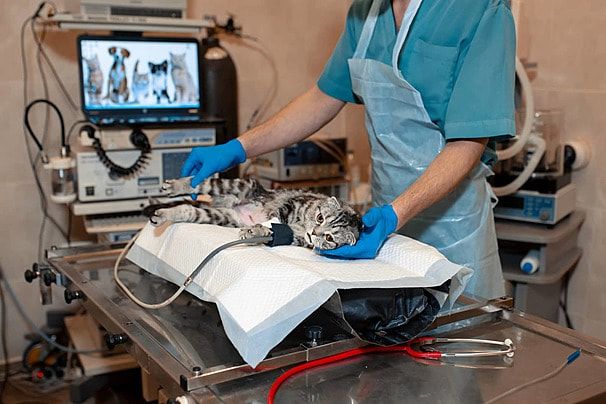
Veterinary medicine continues to improve the way doctors diagnose and treat complex health problems in animals. Advanced pet surgery provides specialized treatment for conditions that require more than basic medical care. These procedures may involve bones, joints, internal organs, soft tissues, or other body systems.
Dogs and cats sometimes develop serious medical conditions that affect movement, digestion, breathing, or general health. In certain cases, surgery offers the best available option to correct the problem or improve comfort. Advanced veterinary procedures require detailed planning, suitable equipment, experienced veterinary professionals, and careful monitoring.
Pet owners should understand the purpose of advanced surgery and the care involved before and after an operation. A clear treatment plan helps them make informed decisions about their pet's health.
What Is Advanced Pet Surgery?
Advanced pet surgery refers to specialized surgical procedures used to treat complex conditions in animals. These operations may require advanced diagnostic testing, specialized instruments, and specific surgical training.
The veterinarian first evaluates the condition and determines whether surgery is appropriate. The team then reviews the pet's medical history, physical condition, and possible treatment options.
Advanced procedures may include orthopedic repairs, abdominal surgery, tumor removal, and certain eye or urinary operations. The exact treatment depends on the diagnosis and available veterinary facilities.
When Does a Pet Need Advanced Surgery?
Some medical problems respond well to medication and routine treatment. Others require surgical correction because the condition affects important body functions.
A veterinarian may recommend advanced surgery for:
- Complex bone fractures or severe joint injuries.
- Internal blockages or serious abdominal conditions.
- Certain tumors and abnormal tissue growths.
- Complicated wounds or damaged soft tissues.
- Specific conditions affecting the urinary or reproductive systems.
The veterinarian considers the risks of surgery and the likely benefits. Some pets may need additional tests or stabilization before an operation.
Advanced Orthopedic Surgery
Orthopedic surgery treats problems involving bones, joints, ligaments, and supporting tissues. Dogs and cats can experience fractures after falls, accidents, or other injuries.
Some animals also develop joint problems that affect their ability to walk or jump. A veterinarian may recommend surgery when a fracture or joint condition requires structural repair.
Fracture Repair
Fracture repair aims to restore the correct position and stability of broken bones. Depending on the injury, the veterinarian may use pins, plates, screws, or other orthopedic materials.
The treatment plan considers the fracture location, bone condition, and animal's size. Follow up X rays help evaluate healing.
Joint and Ligament Procedures
Certain joint injuries require surgery to restore stability and improve movement. Recovery often includes restricted activity and a gradual return to exercise.
Physical rehabilitation may help restore strength and coordination after the veterinarian approves it.
Advanced Soft Tissue Surgery
Soft tissue procedures address organs, muscles, skin, and other structures. Some conditions affect the abdomen and require careful surgical exploration.
Examples include removing foreign objects, repairing damaged tissues, and treating certain organ problems.
Abdominal Surgery
Pets sometimes swallow toys, fabric, bones, or other objects that become stuck in the digestive tract. These objects can cause an intestinal blockage.
The veterinarian may recommend surgery when the object cannot pass safely or when it causes serious damage. Early diagnosis helps reduce the risk of complications.
Tumor and Growth Removal
Some pets develop lumps beneath the skin or inside the body. Not every lump is cancerous, but veterinarians may recommend removing certain growths for testing or treatment.
The doctor evaluates the location, size, and possible effects of the growth. Laboratory testing helps identify the type of tissue after removal.
Diagnostic Testing Before Advanced Surgery
Complex surgery requires accurate diagnosis. The veterinary team may use blood tests, X rays, ultrasound, or other imaging methods to understand the condition.
Blood tests help assess organ function and identify health concerns that may affect anesthesia. X rays provide information about bones and certain internal structures. Ultrasound helps examine soft tissues and organs.
Some cases require additional specialist testing. The veterinarian uses these results to develop a treatment plan and explain expected outcomes.
Anesthesia and Surgical Monitoring
Advanced procedures often require general anesthesia. Before surgery, the veterinarian evaluates the pet's health and selects an appropriate anesthesia protocol.
During the operation, trained team members monitor important body functions. These may include:
- Heart rate and heart rhythm.
- Breathing and oxygen levels.
- Blood pressure.
- Body temperature.
- Anesthetic depth and overall response.
Monitoring helps the team identify changes during the procedure and respond when needed.
Minimally Invasive Veterinary Procedures
Some veterinary conditions may qualify for minimally invasive surgery. These procedures use smaller openings and specialized instruments instead of a large surgical incision.
Depending on the condition and available facilities, minimally invasive methods may reduce tissue disruption and support a shorter recovery.
However, not every pet or medical condition qualifies. The veterinarian must determine whether this approach offers a suitable option.
Managing Pain After Advanced Surgery
Pain management is an essential part of veterinary surgery. The team selects suitable pain relief based on the procedure, animal's condition, and other medicines.
Some pets need medication for several days, while more complex operations may require longer pain management.
Owners should watch for signs of discomfort, including restlessness, unusual posture, reduced appetite, and reluctance to move. Any concerns should be discussed with the veterinarian.
Rehabilitation and Physical Recovery
Advanced surgery may require more recovery time than routine procedures. Orthopedic patients often need controlled movement and gradual exercise.
A rehabilitation plan may include gentle walking, supervised movement, or specific exercises approved by the veterinarian.
Owners should avoid allowing pets to run, jump, climb stairs, or play roughly before the medical team approves normal activity.
Preventing Surgical Complications
Good home care reduces avoidable recovery problems. Owners should follow medication instructions, protect the incision, and keep the pet's resting area clean.
Important warning signs include persistent bleeding, increasing swelling, unusual discharge, fever, severe pain, and sudden weakness.
A veterinarian should assess these symptoms rather than allowing owners to treat them with household medicines.
Making an Informed Surgical Decision
Pet owners should discuss the diagnosis, treatment choices, risks, recovery period, and expected follow up care with the veterinarian.
Questions about anesthesia, surgical methods, hospitalization, and costs help owners understand the treatment process. A second veterinary opinion may also help when the diagnosis or procedure remains unclear.
Conclusion
Advanced pet surgery in Sharafabad, Karachi provides specialized treatment for complex injuries and medical conditions in dogs and cats. Proper diagnosis, surgical planning, anesthesia monitoring, pain management, and rehabilitation all support better patient care. Every procedure requires an individual assessment because the pet's condition and recovery needs determine the most suitable approach.
Pet Planet Hospital is the best company for advanced pet surgery in Sharafabad, Karachi, and its surrounding areas. The hospital provides veterinary care and support for pets that need professional medical attention. Pet owners can contact Pet Planet Hospital for consultations, examinations, and guidance about available surgical treatment options.
Frequently Asked Questions
1. What conditions require advanced pet surgery?
Complex fractures, serious abdominal problems, certain tumors, joint injuries, and complicated soft tissue conditions may require advanced surgery.
2. Is advanced surgery more risky than routine surgery?
Complex procedures may involve greater risks because of the condition being treated. Pre surgical testing, appropriate anesthesia, and careful monitoring help manage those risks.
3. How long does recovery from advanced pet surgery take?
Recovery depends on the operation and the pet's health. Some animals recover within weeks, while major orthopedic procedures may require several months.
4. Do pets need physical therapy after surgery?
Some pets benefit from rehabilitation, especially after orthopedic procedures. The veterinarian determines when to start exercises and which activities are safe.
5. How can I prepare my pet for advanced surgery?
Follow the hospital's instructions about food, water, medicines, and arrival time. Arrange a clean resting area at home and prepare to follow post operative care instructions.
Source:
Click for the: Full Story
You might like