Close Menu
 World
 Biography
 Health
 Education
 Business
 Lifestyle
 Sports
 Technology
 Animals
 History
 Food
 Religious
 Startups
 Movies
 Politics
 Fashion
 Covid
 Diet
 Fitness
 Marketing
 Travel
 Science
 Reviews
 Social media
 Stories
 Facts
 Art
 Entertainment
Adam John

Business
Auto Repair Services: Complete Guide to Keeping Your Vehicle Safe, Reliable, and Road-Ready
 Adam John
Owning a vehicle comes with the responsibility of keeping it in excellent working condition. Whether you drive a family car, a daily commuter, an SUV, or a light-duty truck, regular maintenance and timely repairs are essential for safety, performance, and long-term reliability. Professional auto repair services help vehicle owners identify mechanical problems, prevent unexpected breakdowns, and maintain their vehicles through changing driving conditions.
From routine oil changes and brake repairs to engine diagnostics and transmission services, a reliable auto repair shop provides the technical expertise needed to keep your vehicle running smoothly. Understanding the available services and recognising early warning signs can help you make informed decisions and avoid expensive repairs.
What Are Auto Repair Services?
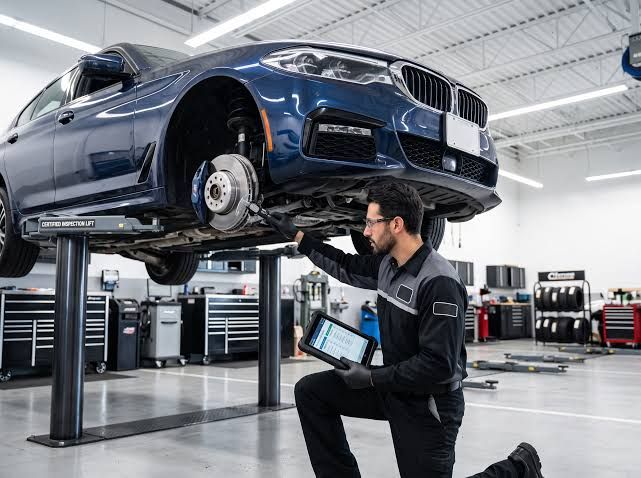
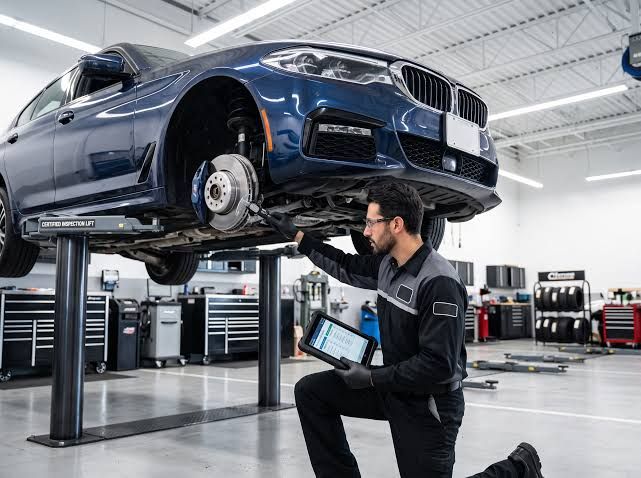
Auto repair services include a wide range of maintenance, inspection, diagnostic, and repair solutions designed to restore and maintain vehicle performance. These services address mechanical, electrical, and safety-related issues that develop through everyday driving, ageing components, and normal wear and tear.
Professional auto technicians use specialised equipment, diagnostic scanners, and manufacturer-recommended procedures to identify problems and complete repairs accurately.
Common auto repair services include:
- Engine diagnostics and repairs
- Brake inspection and replacement
- Oil changes and routine maintenance
- Transmission and drivetrain repairs
- Battery testing and replacement
- Suspension and steering repairs
- Air conditioning services
- Tire inspection and related maintenance
- Electrical system troubleshooting
- Preventive vehicle inspections
Whether your vehicle needs a minor adjustment or a major mechanical repair, choosing an experienced automotive technician can make a significant difference in its performance and reliability.
Common Auto Repair Services Every Vehicle Owner Needs
Understanding the different types of automotive repairs helps you recognise when professional attention is necessary.
1. Engine Diagnostics and Repair
The engine is one of the most important components of any vehicle. Problems involving fuel delivery, ignition systems, sensors, or internal engine components can affect performance, fuel efficiency, and reliability.
Common warning signs include unusual engine noises, rough idling, reduced acceleration, excessive exhaust smoke, and an illuminated check engine light.
Professional engine diagnostics use advanced scanning tools to retrieve fault codes and investigate potential issues. Depending on the findings, repairs may involve replacing faulty sensors, repairing ignition components, addressing fuel system problems, or resolving mechanical faults.
Early diagnosis can help prevent minor engine issues from developing into more expensive problems.
2. Brake Repair and Replacement
Your braking system plays a critical role in protecting you, your passengers, and other road users. Worn brake pads, damaged rotors, leaking brake fluid, and faulty calipers can reduce stopping performance.
You may need brake repair services if you notice:
- Squealing or grinding noises when braking
- Vibrations through the brake pedal
- A soft or spongy brake pedal
- Longer stopping distances
- A brake warning light
Professional brake services typically include inspecting brake pads, rotors, calipers, brake lines, and fluid condition. Replacing worn components at the appropriate time helps maintain dependable stopping power.
3. Oil Changes and Routine Maintenance
Regular oil changes are essential for protecting engine components. Engine oil lubricates moving parts, reduces friction, helps manage heat, and carries contaminants away from critical surfaces.
Over time, oil breaks down and becomes less effective. Following the manufacturer's recommended oil-change intervals helps maintain engine performance and reduce unnecessary wear.
Routine maintenance may also include:
- Replacing oil and air filters
- Checking coolant levels
- Inspecting belts and hoses
- Testing battery condition
- Checking tire pressure
- Inspecting fluid levels
A consistent maintenance schedule can extend vehicle life and reduce the likelihood of unexpected mechanical failures.
4. Transmission and Drivetrain Repair
The transmission transfers engine power to the wheels, allowing your vehicle to operate at different speeds. Transmission problems can affect acceleration, gear changes, and overall driving comfort.
Common symptoms include delayed shifting, slipping gears, unusual noises, fluid leaks, and unexpected vibrations.
Experienced technicians can inspect transmission fluid, check electronic controls, identify mechanical faults, and recommend appropriate repairs. Addressing transmission issues early may help prevent extensive damage.
5. Suspension and Steering Services
A properly functioning suspension and steering system provides stability, handling, and driving comfort. Components such as shocks, struts, control arms, ball joints, and tie rods experience wear through regular use.
Warning signs include uneven tire wear, excessive bouncing, steering difficulties, clunking noises, and poor vehicle stability.
Professional suspension and steering inspections help identify worn components and restore predictable vehicle handling.
6. Automotive Air Conditioning Repair
A reliable air conditioning system makes driving more comfortable, particularly during hot weather. If your AC produces warm air, has weak airflow, or makes unusual noises, the system may require professional inspection.
Auto AC repair services can include refrigerant leak detection, compressor inspection, condenser repairs, electrical troubleshooting, and cabin filter replacement.
Proper diagnosis is important because simply adding refrigerant may not resolve the underlying problem.
Why Regular Auto Maintenance Matters
Preventive maintenance is one of the most effective ways to protect your vehicle investment. Waiting until a component fails can lead to additional damage, unexpected expenses, and inconvenient breakdowns.
Here are several important benefits of regular automotive maintenance.
Improved vehicle safety: Regular inspections help identify problems with brakes, tires, steering, suspension, and other essential systems.
Better fuel efficiency: Proper tire pressure, clean filters, suitable engine oil, and well-maintained engine components can support efficient fuel consumption.
Longer vehicle lifespan: Replacing worn parts and maintaining important systems helps reduce unnecessary stress on other components.
Fewer unexpected breakdowns: Routine inspections allow technicians to identify developing problems before they cause major interruptions.
Better resale value: Documented maintenance and repair records can make a used vehicle more attractive to potential buyers.
How to Choose the Right Auto Repair Shop
Selecting a trustworthy auto repair shop is just as important as maintaining your vehicle. A qualified repair facility should provide accurate diagnoses, transparent pricing, and professional customer service.
Consider these factors before choosing an automotive repair provider:
- Experience and qualifications: Look for technicians with relevant automotive training and practical experience.
- Diagnostic equipment: Modern vehicles require appropriate diagnostic scanners and specialised repair tools.
- Transparent estimates: A professional shop should explain the recommended repairs, labour costs, and replacement parts.
- Customer reviews: Read customer feedback to understand the shop's reputation and service quality.
- Repair warranties: Ask whether parts and labour are covered by a warranty.
- Clear communication: Choose technicians who explain problems and discuss repair options before starting additional work.
A dependable auto repair shop should prioritise accurate diagnosis, quality workmanship, and customer satisfaction rather than recommending unnecessary replacements.
Warning Signs Your Vehicle Needs Professional Repairs
Some vehicle problems develop gradually, while others appear suddenly. Recognising early warning signs can help you arrange repairs before the situation becomes more serious.
Pay attention to the following symptoms:
- Check engine or other dashboard warning lights
- Unusual knocking, squealing, or grinding sounds
- Smoke coming from the exhaust or engine compartment
- Fluid leaking underneath the vehicle
- Steering wheel vibrations
- Difficulty starting the engine
- Reduced acceleration or unusual fuel consumption
- Burning smells while driving
Never ignore serious braking problems, overheating, sudden steering difficulties, or significant fluid leaks. Stop driving when it is unsafe and arrange professional assistance.
The Importance of Professional Auto Repair Services
Modern vehicles contain advanced electronic systems, sensors, computers, and interconnected mechanical components. Diagnosing these systems correctly requires technical knowledge and suitable equipment.
Professional auto repair technicians follow systematic inspection procedures to identify the root cause of a problem instead of simply treating its symptoms. This approach can reduce repeat repairs and help ensure that replacement components are appropriate for the vehicle.
Professional servicing also provides an opportunity to identify other maintenance requirements, helping owners plan repairs according to urgency and budget.
Conclusion
Reliable auto repair services are essential for maintaining vehicle safety, performance, and long-term dependability. From engine diagnostics and brake replacement to oil changes, transmission repairs, and suspension maintenance, professional automotive care helps prevent unexpected problems and protects your investment.
By following a regular maintenance schedule, recognising early warning signs, and choosing an experienced auto repair shop, you can keep your vehicle operating efficiently and confidently. Whether you need routine servicing or assistance with a complex mechanical issue, timely professional repairs are a smart investment in your vehicle's future.
Need professional vehicle maintenance or repairs? Contact a trusted auto repair specialist today to schedule an inspection, discuss your vehicle's symptoms, and find the right repair solution.
Source:
Click for the: Full Story
You might like