Close Menu
 World
 Biography
 Health
 Education
 Business
 Lifestyle
 Sports
 Technology
 Animals
 History
 Food
 Religious
 Startups
 Movies
 Politics
 Fashion
 Covid
 Diet
 Fitness
 Marketing
 Travel
 Science
 Reviews
 Social media
 Stories
 Facts
 Art
 Entertainment
Ayaarah Modest Wear

Fashion
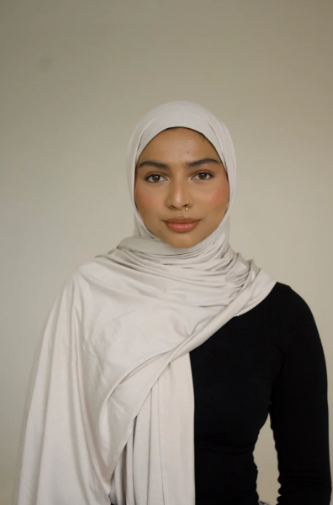
Bamboo Jersey Hijab: A Sustainable Choice for Modern Modest Fashion
 Ayaarah Modest Wear
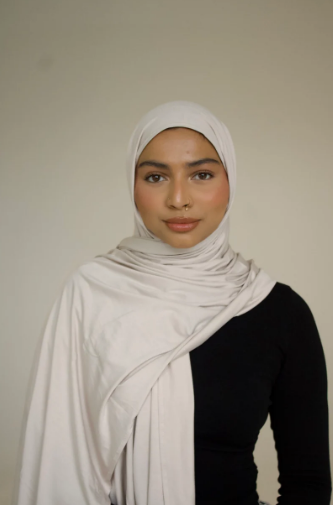
Modest fashion continues to evolve as women look for clothing that reflects personal style while fitting naturally into everyday life. Fabric choices are an important part of that process. A bamboo jersey hijab can appeal to shoppers who value a soft feel, flexible styling and an interest in materials derived from renewable sources. Its smooth texture and relaxed drape offer a practical foundation for outfits that feel considered without appearing complicated. Understanding the fabric, its benefits and its limitations can help shoppers make more informed wardrobe decisions.
Why Material Choices Matter
The conversation around sustainable fashion is about more than following a trend. It encourages people to think about how garments are made, how often they are worn and how long they remain useful. Choosing versatile accessories can support a more thoughtful wardrobe because one well-loved piece may work with several outfits.
A hijab is worn close to the face and often stays in place for many hours, so comfort matters alongside appearance. Texture, breathability, stretch and care requirements can all influence whether a fabric suits someone's routine. Considering these details before buying can reduce impulse purchases and help shoppers choose items they will reach for regularly.
Understanding Bamboo-Based Jersey
Bamboo textiles begin with bamboo plants, but the finished fabric depends on the manufacturing process. Many bamboo-based fabrics are made by turning plant cellulose into fibres through industrial processing. The result may be described as bamboo viscose or bamboo rayon, depending on the product and labelling conventions. Jersey refers to the knitted structure, which commonly gives fabric a degree of stretch and flexibility.
This distinction matters when assessing environmental claims. Bamboo grows quickly and can require less irrigation than some crops, but processing methods, chemicals, energy use and wastewater management also affect the overall footprint. The word bamboo alone does not prove that a textile is sustainable. Responsible shoppers should look for clear fibre information, credible certifications where available and transparent care guidance.
Comfort for Everyday Wear
The appeal of jersey is its ability to move with the wearer. A fabric blend that includes elastane or spandex may provide additional stretch, helping a scarf sit comfortably when wrapped. A soft surface and fluid drape can create gentle folds without a stiff or formal finish.
A well-made bamboo jersey hijab may therefore suit people who prefer adaptable accessories. However, individual comfort varies, and shoppers should check fabric weight, dimensions and composition before ordering.
Building a More Versatile Wardrobe
Sustainability can also involve buying fewer items and using them in more ways. Neutral shades such as black, stone, taupe and soft brown often coordinate with a wide range of clothing. A muted green or dusty rose can add colour while remaining easy to combine with wardrobe staples.
When comparing a premium bamboo jersey hijab, consider whether its colour and design will work with clothes already in the wardrobe. Versatility is useful only when the item genuinely fits the wearer's lifestyle.
What to Look for Before Buying
Product descriptions should explain the exact fibre composition rather than relying on broad terms such as natural or eco-friendly. Check whether the material is bamboo viscose, a blend or another textile, and note the percentage of any added stretch fibre. Dimensions are also important because they affect coverage and the range of possible styles.
A premium bamboo jersey hijab should be judged on its actual construction, comfort and longevity, not on its name alone. Before buying, consider how often it will be worn, which outfits it should complement and whether its care routine is manageable. These questions help make the purchase more useful over time.
Thoughtful Care Can Extend Use
Care habits influence how long an accessory remains wearable. Follow the label first, since blends and finishes can have different requirements. In general, gentle washing with similar colours and a mild detergent can help protect delicate fibres. Avoid harsh bleaching products, and do not use excessive heat unless the care label specifically allows it.
Looking after clothing is a practical part of mindful consumption. The longer a useful item remains in rotation, the more value it can offer.
A Modern Approach to Modest Style
Modest fashion does not have one fixed appearance. Some women prefer clean lines and understated colours, while others enjoy expressive prints, layered textures and seasonal shades. A versatile scarf can support either approach when its fabric and finish suit the rest of the outfit.
Brands such as Ayaarah Modest Wear offer options for shoppers exploring contemporary hijab styles. When considering a product, customers can review its stated composition, measurements and care details to decide whether it meets their needs. Ayaarah Modest Wear is one place to explore a coordinated approach to comfort and everyday styling, while each shopper should make choices based on personal preference and the product information available.
The appeal of a premium bamboo jersey hijab lies in the combination of a soft hand feel, flexible construction and styling potential. It may be a useful addition for someone who wants an accessory that can move between casual and more polished outfits. Still, sustainability is best considered across the product's full life cycle, from raw material and processing to care and eventual disposal.
Choosing With Confidence
A thoughtful purchase begins with realistic expectations. Bamboo-derived textiles can offer appealing qualities, but their environmental performance depends on how they are produced. Reading labels, asking questions and choosing durable designs are sensible steps. It is also worth considering whether a new scarf fills a genuine gap in the wardrobe rather than duplicating something already owned.
For anyone comparing options, Ayaarah Modest Wear provides a starting point for exploring modern modest accessories. Check the product details carefully and choose a colour, fabric and size that suit regular use. A comfortable scarf that is worn often can be more useful than several pieces bought for a single occasion.
Ultimately, a bamboo jersey hijab can bring softness and flexibility to modest outfits while encouraging more considered shopping when buyers look beyond marketing language. The most sustainable choice is not defined by a fabric name alone. It comes from informed decisions, careful use and choosing pieces that remain valued over time.
Frequently Asked Questions
1. What is bamboo jersey fabric?
It is a knitted textile made from bamboo-derived fibres, often blended with stretch fibres. The exact feel and performance depend on its composition and manufacturing.
2. Is bamboo fabric automatically sustainable?
No. Bamboo is a renewable plant, but processing, chemical management, energy use and transport all affect environmental impact. Look for transparent information and credible standards.
3. Does jersey fabric stretch?
Jersey is knitted and usually has some natural flexibility. Blends containing elastane or spandex can provide additional stretch.
4. How should a bamboo-based hijab be washed?
Follow the care label. Gentle washing, mild detergent and avoiding excessive heat are sensible general precautions, but the manufacturer's instructions take priority.
5. How can one scarf work for different outfits?
Choose a versatile colour and experiment with simple wrapping techniques. It can complement casual clothing, workwear and occasion outfits without changing the overall wardrobe.
Source:
Click for the: Full Story
You might like