Close Menu
 World
 Biography
 Health
 Education
 Business
 Lifestyle
 Sports
 Technology
 Animals
 History
 Food
 Religious
 Startups
 Movies
 Politics
 Fashion
 Covid
 Diet
 Fitness
 Marketing
 Travel
 Science
 Reviews
 Social media
 Stories
 Facts
 Art
 Entertainment
Brides and tailor

Fashion
From Inspiration to Final Fit: How Custom-Made Wedding Dresses Take Shape
 Brides and tailor
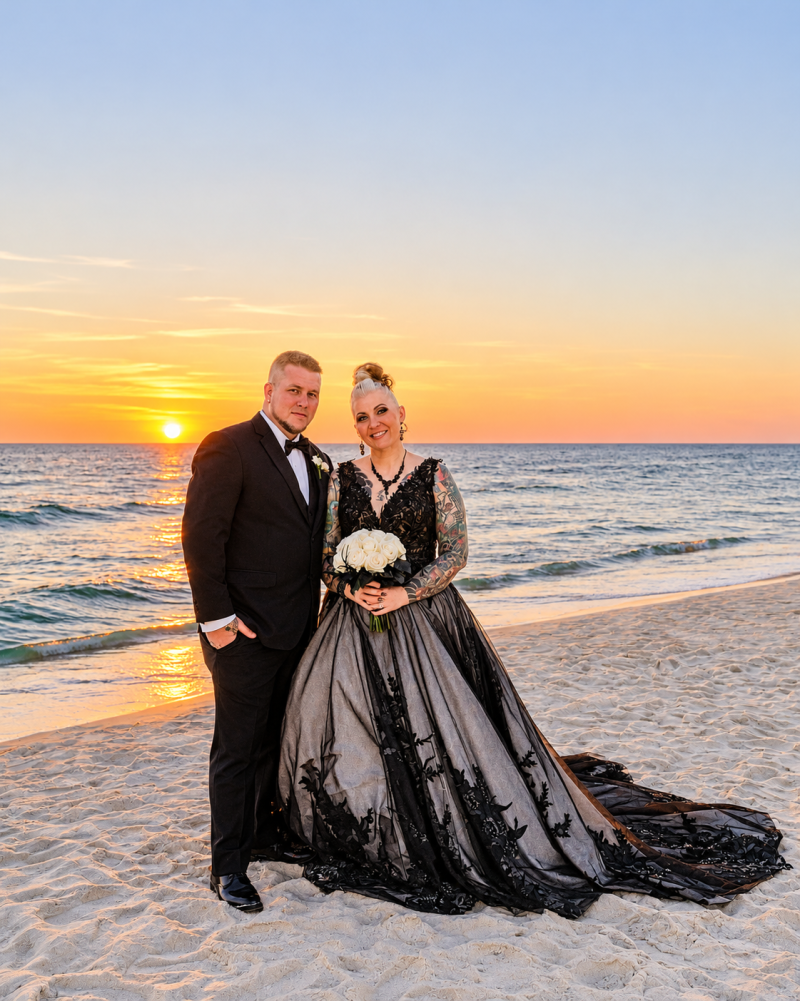
Custom bridal gowning often begins with one main idea, but it takes a lot of planning to turn that idea into something wearable. Many brides choose custom-made wedding dresses because they allow you to choose the shape, fabric, colour, details, and fit in a way that off-the-rack dresses may not. It usually begins with inspiration, then moves to measurements, design choices, fabric decisions, and final adjustments. Every step is important because one choice affects another. A neckline changes the balance. A fabric changes the movement. Train length can change comfort. Just as the gown develops for the bride, straightforward communication helps to keep the original vision on track. In this article, we'll discuss how a custom bridal design goes from inspiration to a finished, polished fit.
Begin With a Clear Source of Inspiration
First, decide how you want the final look to feel. Some brides want something soft and romantic, some want clean lines or dramatic shapes or vintage details or unusual colours. Inspiration images can be helpful, but they work best when they have something in common. If you plan on designing a custom wedding dress, pay attention to the details that keep showing up in the looks you’re saving. Certain sleeves, necklines, skirt shapes, or textures may be favored. A more limited, targeted collection makes it easier to articulate your ideas and keeps the design from getting crowded with extraneous elements.
Choose Fabric with Shape and Comfort in Mind
Fabric touches almost all aspects of the final look. Fabrics that are lightweight can lend softness and movement, while those that are firmer may lend support to a more structured silhouette. Lace, embroidery, smooth finishes, and layered textures can also affect the overall mood. There's more to it than it seems. Season, venue, comfort, and the amount of movement you expect to have during the day should all affect your decision. If it feels too heavy or too restrictive, a beautiful material is rendered useless. Early fabric choices also influence later choices of sleeve and skirt volume, train length, and decorative details.
Build the Design Around Meaningful Details
Personal touches can make a gown feel distinctive, but every addition should serve a clear purpose.
- Choose a neckline that’s comfortable and gives you the coverage you want.
- Select sleeves according to climate, comfort, and personal preference.
- Employ embroidery, lace or beading where they add character.
- If you get tired of the traditional shades, think about color.
- Consider train length for the venue and expected movement.
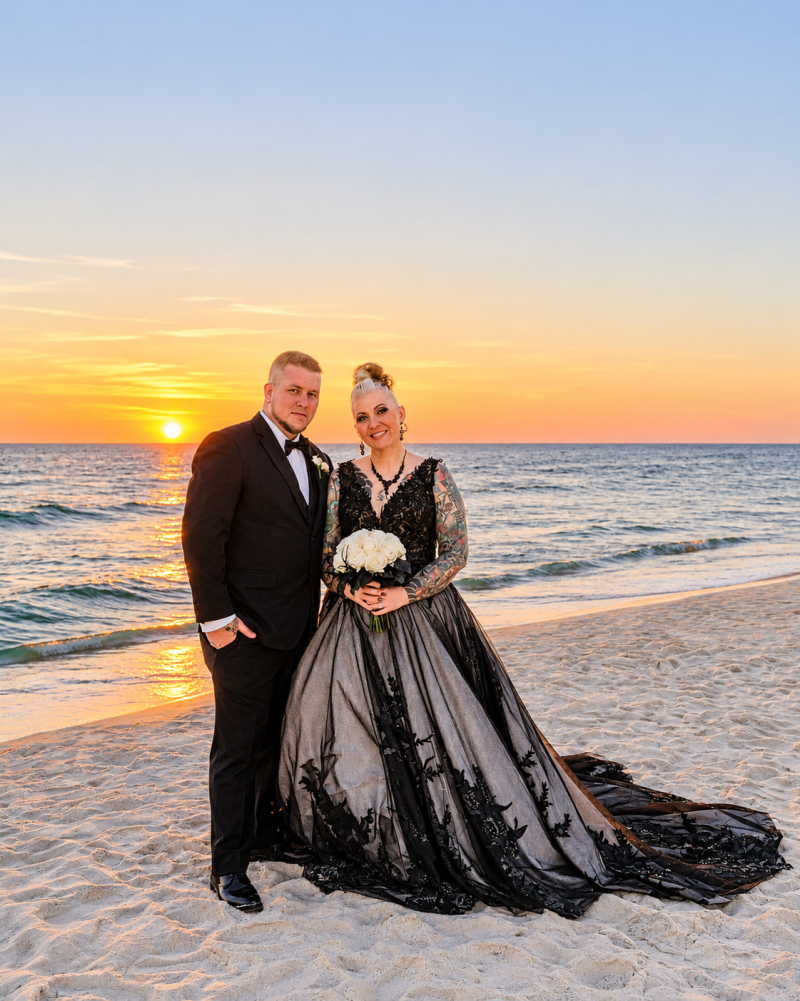
- A custom-fit wedding gown plan should also consider how the proportions work together rather than one area alone.
A few carefully chosen details often create a stronger impression than several features competing for attention.
Use Accurate Measurements to Shape the Fit
Measurements are the basis for proportion and comfort. The fall of the various parts of the gown can be affected by the bust, waist, hips, shoulders, height, and sleeve length. Shoes and undergarments count too, because they can affect support and hem length. This is where custom wedding dress designers for brides with a specific vision can help translate creative ideas into practical proportions. Fit should hug the body, but not feel like it. Fit should be conducive to natural movement. A bride should be able to sit, walk, turn, and dance without constantly adjusting the dress. Careful measurement early on can also reduce unnecessary changes later.
Refine the Look before the Final Fit
The final phases are about understanding how it all fits together. The fabric, the silhouette, the accessories, and the finishing touches should all be in the same general direction. If the gown is more detailed, you may need simple jewelry; if the style is cleaner, you can have a stronger veil or hair accessory. It also helps to review the look from the front, side and back. In final adjustments, it may be a matter of length, support, movement, or small details that add balance. The point is not to keep adding features, but to make sure the original idea still feels clear and comfortable and complete.
Conclusion
A custom bridal design is a living series of thoughtful decisions that begins with the inspiration picture and ends with fabric selection, measurements, fit, and final refinement. And paying attention to each step leads to something personal and practical.
Brides & Tailor helps this process by listening attentively to a client’s personal preferences, measurements, and design choices. The company encourages brides to create a look that reflects their own vision, but also encourages brides to think about comfort and balance. Its customized approach can help turn an early concept into a completed bridal look that feels thoughtfully put together and genuinely one of a kind.
Frequently Asked Questions
Question: How early should a bride begin planning a custom gown?
Answer: Starting several months ahead allows time for inspiration, measurements, fabric selection, production, fittings, and adjustments. Extra planning also helps reduce pressure as the wedding date gets closer for everyone.
Question: Can several inspiration images be combined into one gown?
Answer: Yes, several references can work together when they share a similar mood. Focusing on compatible shapes, fabrics, and details helps the finished result feel balanced, personal, and cohesive overall.
Question: Why are accurate measurements important for a personalized gown?
Answer: Accurate measurements guide proportion, length, support, and comfort. They help important areas sit correctly and reduce unnecessary changes, making the finished gown easier to wear throughout the wedding day.
Source:
Click for the: Full Story
You might like