Close Menu
 World
 Biography
 Health
 Education
 Business
 Lifestyle
 Sports
 Technology
 Animals
 History
 Food
 Religious
 Startups
 Movies
 Politics
 Fashion
 Covid
 Diet
 Fitness
 Marketing
 Travel
 Science
 Reviews
 Social media
 Stories
 Facts
 Art
 Entertainment
Rimsha Ceo

Fashion
Hair Regrowth Treatment: Effective Ways to Restore Hair
 Rimsha Ceo
Hair loss can be a frustrating experience, especially when it gradually affects hair thickness, appearance, and confidence. Whether hair begins thinning around the crown, the hairline starts receding, or excessive shedding becomes noticeable, finding the right solution requires understanding what is causing the problem. Fortunately, several approaches can help manage hair loss and support healthier hair growth.
Choosing an appropriate hair regrowth treatment depends on individual needs, the underlying cause of hair loss, and how early the issue is addressed. From clinically studied topical products to lifestyle adjustments and professional guidance, understanding the available options can make the decision-making process easier.
Understanding the Common Causes of Hair Loss
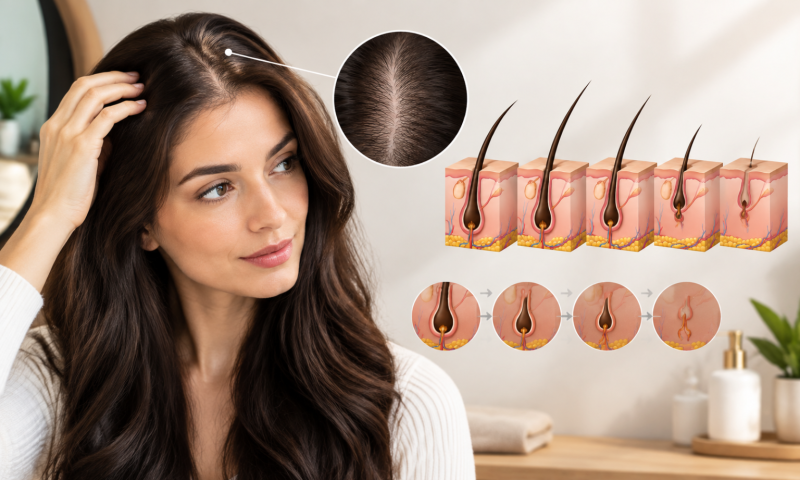
Before exploring treatment options, it is important to understand why hair loss occurs. Hair naturally follows a growth cycle consisting of growing, resting, and shedding phases. Losing some hair every day is normal, but excessive shedding or gradual thinning may indicate an underlying issue.
Several factors can contribute to hair loss.
Genetics and Hormonal Changes
Genetic hair loss, commonly known as androgenetic alopecia, is one of the most common causes of gradual thinning. It can affect both men and women, although the patterns may differ. Hormonal changes can also influence hair growth, particularly during pregnancy, menopause, or other periods of hormonal fluctuation.
Stress and Nutritional Deficiencies
Physical or emotional stress may trigger temporary hair shedding, a condition known as telogen effluvium. Nutritional deficiencies involving iron, protein, or certain vitamins can also affect normal hair growth.
Scalp Conditions and Hair Care Habits
Scalp inflammation, certain skin conditions, and excessive use of heat-styling tools may contribute to hair problems. Tight hairstyles and repeated chemical treatments can also cause damage or traction-related hair loss.
Identifying the cause is an important first step because different types of hair loss require different approaches.
Exploring Different Hair Regrowth Treatment Options
There is no single solution that works for everyone. The most suitable approach depends on the type and severity of hair loss, medical history, and individual treatment goals.
Topical Hair Growth Treatments
Topical treatments are commonly considered by people experiencing early signs of hair thinning. Minoxidil is one of the most widely studied ingredients used to support hair regrowth.
Applied directly to the scalp, topical minoxidil can help stimulate hair follicles and extend the active growth phase of the hair cycle. It is available in different formulations and strengths, with suitability depending on individual circumstances.
Consistency is important because visible improvements generally take several months. Some people may experience temporary increased shedding when beginning treatment. Following product instructions and seeking medical advice when necessary can help ensure appropriate use.
Prescription-Based Treatments
Certain medications may help manage specific forms of hair loss. For example, finasteride is a prescription medication used for certain cases of male pattern hair loss.
However, prescription treatments are not suitable for everyone and may have side effects. A qualified healthcare professional can assess whether a particular medication is appropriate based on the individual's health and circumstances.
Professional Hair Restoration Procedures
For people experiencing more advanced hair loss, professional procedures may be worth discussing with a qualified specialist.
Hair transplantation involves moving hair follicles from one area of the scalp to another. Other clinical approaches may include platelet-rich plasma therapy, depending on the individual's condition and available evidence.
These procedures have different costs, requirements, and expected outcomes, making professional consultation essential before proceeding.
Why Consistency Matters in a Hair Growth Routine
One common mistake people make when addressing hair thinning is expecting immediate results. Hair grows gradually, and changes in the growth cycle take time to become visible.
A consistent routine can make it easier to monitor progress and identify what works.
Consider these practical habits:
- Follow treatment instructions: Use topical products or prescribed medications according to professional guidance.
- Maintain scalp hygiene: Keep the scalp clean and avoid excessive product buildup.
- Avoid unnecessary hair damage: Reduce frequent heat styling, harsh chemical treatments, and tight hairstyles.
- Eat a balanced diet: Include adequate protein, iron, zinc, and other nutrients that support normal hair health.
- Monitor progress: Take occasional photographs under similar lighting conditions to observe changes over time.
These habits cannot guarantee regrowth, but they can support overall hair and scalp health.
How to Choose a Suitable Hair Regrowth Solution
Selecting a hair loss solution should involve more than comparing product claims or choosing the most popular option. Understanding the ingredients, intended use, and available clinical evidence is equally important.
People researching different options can explore resources such as MinoGrow to learn more about hair growth products and approaches to managing thinning hair.
Before choosing a product, consider the following factors:
Review the Ingredients
Look for clearly listed ingredients and understand their intended purpose. Products containing established hair growth ingredients should have appropriate usage instructions and realistic expectations.
Understand the Treatment Timeline
Hair regrowth is a gradual process. Depending on the treatment, noticeable changes may require several months. Be cautious of products promising dramatic results within a few days or weeks.
Consider Your Type of Hair Loss
A treatment designed for hereditary thinning may not address hair loss caused by nutritional deficiencies, stress, medication, or scalp conditions. Identifying the underlying issue helps avoid wasting time on unsuitable solutions.
Seek Professional Advice
If hair loss is sudden, severe, patchy, or accompanied by scalp irritation, consult a dermatologist. Medical evaluation can help identify possible causes and guide appropriate treatment.
Supporting Healthy Hair Growth Through Everyday Habits
Although treatment products can play an important role, everyday habits also contribute to maintaining healthy hair.
A balanced diet provides nutrients needed for normal follicle function. Protein is particularly important because hair is primarily made of a protein called keratin. Foods containing iron, zinc, and essential vitamins can also support overall health.
Managing stress, maintaining adequate sleep, and avoiding smoking may further contribute to general well-being. Gentle hair care is equally valuable. Using suitable shampoos, conditioning regularly, and minimizing excessive brushing can help reduce breakage.
It is also important to remember that supplements are not automatically beneficial for everyone. Taking high doses of certain nutrients without a confirmed deficiency may be unnecessary or harmful.
Conclusion
Finding the right hair regrowth treatment starts with understanding the reason behind hair loss. Genetics, hormonal changes, stress, nutritional deficiencies, and scalp conditions can all influence hair growth, so identifying the underlying cause is essential.
Topical treatments, prescription medications, professional procedures, and healthier daily habits offer different ways to approach hair thinning. With realistic expectations, consistent care, and appropriate professional guidance, individuals can make more informed decisions about maintaining scalp health and supporting stronger, healthier-looking hair.
Source:
Click for the: Full Story
You might like