


 Close Menu
 World
 Biography
 Health
 Education
 Business
 Lifestyle
 Sports
 Technology
 Animals
 History
 Food
 Religious
 Startups
 Movies
 Politics
 Fashion
 Covid
 Diet
 Fitness
 Marketing
 Travel
 Science
 Reviews
 Social media
 Stories
 Facts
 Art
 Entertainment
The Shri Ram Universal School Pune

Education
Beyond Textbooks: How the Right School Shapes a Child's Future in Pune
 The Shri Ram Universal School Pune
Education is not simply about completing textbooks, scoring marks, or preparing for examinations. It is about helping children understand the world, discover their abilities, develop confidence, and become responsible individuals. The school environment plays a significant role in shaping these qualities during a child's formative years.
For parents exploring the best schools in Pune, choosing an institution that balances academics with creativity, practical learning, sports, and personal development is an important consideration. A well-rounded educational experience can help children build skills that remain valuable beyond their school years.
The Shri Ram Universal School, Pune (TSUS Pune), located in Kiwale near Ravet, follows an educational philosophy that focuses on igniting curiosity, nurturing creativity, and encouraging students to become independent learners.
Why Education Should Go Beyond Classroom Learning
Traditional classroom instruction provides students with essential academic knowledge. However, children also need opportunities to question ideas, experiment, collaborate, and apply what they learn.
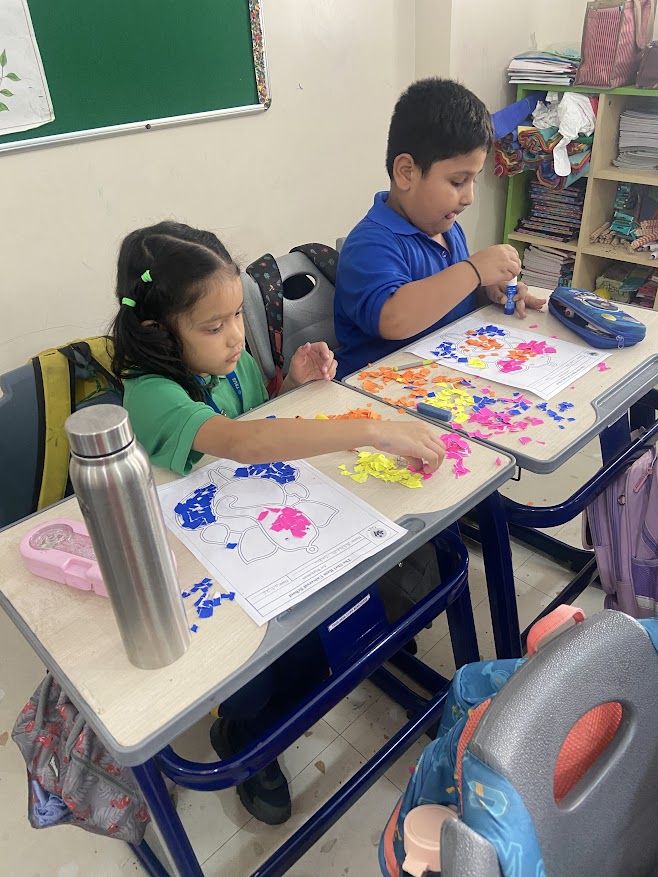
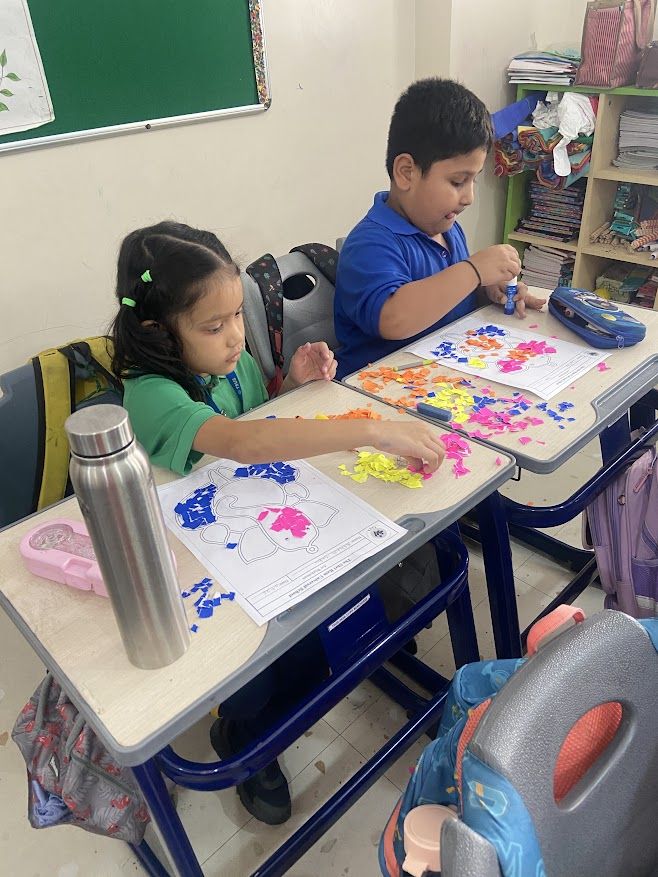
Activities such as science experiments, group projects, presentations, storytelling, and practical demonstrations can make lessons more meaningful.
When students participate actively in the learning process, they get opportunities to develop communication, reasoning, decision-making, and problem-solving abilities.
Parents should therefore consider whether a school provides a balanced educational experience rather than focusing exclusively on examination results.
The Importance of Experiential Learning
Experiential learning allows children to understand concepts through direct participation and practical experiences.
At TSUS Pune, the Shri Way teaching methodology encourages students to explore, experiment, experience, and enjoy the learning process.
Some examples of experiential learning include:
- Project-based activities: Students work together to research topics, organise information, and present their findings.
- Practical science learning: Experiments help children observe scientific principles and understand how they work.
- Role-play activities: These encourage communication, creativity, and confidence.
- Collaborative learning: Group assignments help students share ideas and learn from one another.
- Technology-based education: Interactive classroom tools can support visual learning and subject understanding.
These approaches encourage children to become active participants instead of depending entirely on memorisation.
Developing Creativity and Critical Thinking
Creativity and critical thinking are important skills for students growing up in an increasingly interconnected world.
Creative activities give children opportunities to express ideas through art, music, storytelling, drama, and other forms of expression.
Critical thinking develops when students are encouraged to ask questions, analyse information, compare different viewpoints, and find solutions.
TSUS Pune incorporates activities such as theatre in education, discussions, research, presentations, and hands-on learning into its educational approach.
Such opportunities can help students develop confidence in expressing their thoughts and exploring unfamiliar subjects.
Why Sports and Physical Activities Matter
Physical development is an important part of a child's overall educational experience. Regular participation in sports can encourage discipline, teamwork, coordination, and perseverance.
When comparing the best schools in Pune, parents should explore whether students have access to suitable sports infrastructure and opportunities for physical activity.
TSUS Pune offers a range of sporting facilities, including:
- Football turf and basketball court.
- Badminton and pickleball courts.
- Cricket facilities.
- Skating track.
- 200-metre athletic running track.
- Indoor sports and activity spaces.
These facilities provide opportunities for children to participate in different physical activities, discover their interests, and develop healthy habits.
Building Strong Values Alongside Academic Knowledge
A child's education should also encourage positive attitudes and responsible behaviour.
Values such as honesty, empathy, respect, perseverance, and sensitivity towards the environment help students understand their responsibilities towards others.
TSUS Pune places importance on four core values:
Integrity: Encouraging students to maintain honesty in their thoughts and actions.
Sensitivity: Developing respect for nature, the environment, and individual differences.
Pursuit of Excellence: Motivating students to innovate, collaborate, and continuously improve.
Pride in Indian Heritage: Helping children appreciate the country's cultural traditions and heritage.
These values form an important part of the school's approach to nurturing thoughtful and responsible learners.
Creating a Supportive and Technology-Enabled Learning Environment
The classroom environment can influence how students participate in lessons and interact with teachers.
Interactive panels, well-organised classrooms, libraries, laboratories, and creative activity spaces can provide different ways to explore academic subjects.
TSUS Pune has dedicated facilities for robotics and coding, mathematics, computers, science, music, dance, art, and reading.
The school also lists student support facilities such as an infirmary, school counsellor's office, parent portal, CCTV monitoring, and GPS-enabled transportation.
These facilities contribute to the wider learning and support environment that parents may wish to evaluate during a school visit.
How Parents Can Identify the Right Educational Institution
Finding a suitable school requires understanding both the institution's educational philosophy and the child's individual needs.
Parents can consider the following points before making a decision:
- Curriculum: Understand the academic programme and how it prepares students for future education.
- Teaching methodology: Explore whether lessons encourage participation, understanding, and independent thinking.
- Teacher support: Ask how teachers identify individual learning needs and provide guidance.
- Infrastructure: Review classrooms, laboratories, libraries, sports areas, and other learning facilities.
- Student development: Understand the opportunities available for creative, social, emotional, and physical development.
- Safety: Enquire about campus security, transportation, medical assistance, and supervision.
- Parent communication: Check how the school shares information about student progress and school activities.
A campus visit can provide a clearer understanding of these factors and help parents make an informed choice.
Discover a Balanced Learning Approach at TSUS Pune
For families researching the best schools in Pune, TSUS Pune offers an educational environment that brings together academic learning, experiential activities, sports, creative opportunities, and value-based development.
Its educational philosophy focuses on recognising individual abilities and encouraging students to become curious, confident, and independent learners.
Located in Kiwale near Ravet, Pune, the school invites parents to explore its academic approach, facilities, and admission information to understand whether it aligns with their expectations.
Frequently Asked Questions
1. Why is holistic development important in school education?
Holistic development supports academic, physical, social, emotional, and creative growth. It helps children develop a wider range of abilities alongside subject knowledge.
2. What is experiential learning in schools?
Experiential learning involves understanding concepts through practical activities, projects, experiments, discussions, and real-life applications.
3. Does TSUS Pune offer co-curricular activities?
Yes. The school provides opportunities in sports, music, dance, art, theatre, and other activities alongside academic learning.
4. What facilities should parents look for in a school?
Parents should consider classrooms, libraries, laboratories, sports infrastructure, technology resources, medical support, and campus safety arrangements.
5. How can parents enquire about admissions at TSUS Pune?
Parents can visit the official website at tsuspune.com or contact the admissions team at +91 80977 62555 for current admission information.
Conclusion
A meaningful school experience helps children develop knowledge, confidence, creativity, and a sense of responsibility. Education should encourage students to think independently, explore their interests, and learn through experiences both inside and outside the classroom.
TSUS Pune focuses on combining modern teaching practices with traditional values and opportunities for holistic development. Parents can explore its educational approach to determine whether it provides the right environment for their child's future.
Source:
Click for the: Full Story
You might like







You Might Like this