


 Close Menu
 World
 Biography
 Health
 Education
 Business
 Lifestyle
 Sports
 Technology
 Animals
 History
 Food
 Religious
 Startups
 Movies
 Politics
 Fashion
 Covid
 Diet
 Fitness
 Marketing
 Travel
 Science
 Reviews
 Social media
 Stories
 Facts
 Art
 Entertainment
Pilotspathway

Education
Pilot Training Institute in Jaipur: How to Compare Fees, Approval and Aircraft
 Pilotspathway
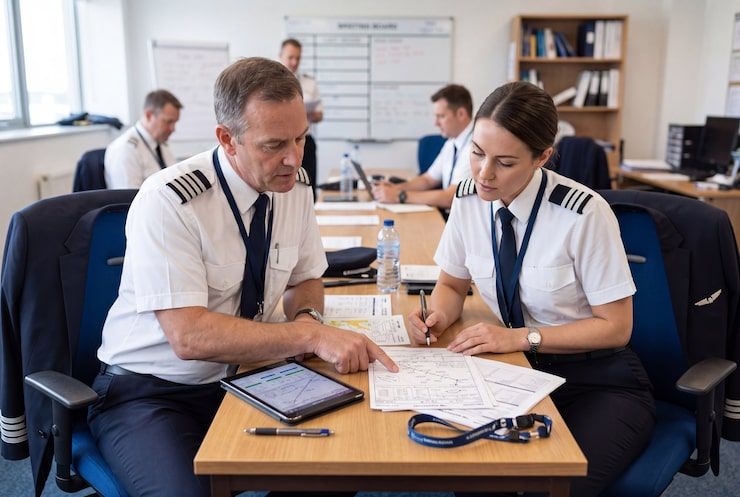
There is something reassuring about being able to walk into an office, sit across a desk and ask your questions face to face. For many families, that is the reason to start with a pilot training institute in Jaipur before looking at schools in other cities. But a local address does not guarantee quality, and a friendly counsellor is not the same as a written commitment. This article gives you a practical way to run that first visit: what to prepare, what to ask, and what to double-check afterwards. It does not describe any specific institute’s fees, seats or results, because those must come from the institute itself and can change. Verify everything in writing and on the official DGCA website.
Why Start Local
A local institute lets you do things that are hard from a distance. You can visit more than once, bring your parents, meet staff and see how they treat questions. You can also start theory classes without moving, which keeps rent out of the budget in the early months. What a local visit cannot do is replace your own homework, so go prepared.
Prepare Before You Walk In
Spend an evening getting ready. Write down your Class 12 subjects and marks, your age and any health concerns. Candidates generally need Class 12 with Physics and Mathematics, and the minimum age for a commercial license is 18. Make a list of questions, and bring a notebook. Counsellors talk fast, and you will remember less than you think.
Do the Medical Early
A Class 1 medical from a DGCA-approved doctor checks eyesight, hearing, heart health and general fitness. It costs far less than training and decides whether the career is open to you. If an institute pushes you to pay before this step, that tells you something about their priorities. Ask them directly what happens if a student fails the medical after paying.
Ask About Approval First
Approval comes before anything else. Ask which courses the institute is authorised to run and request the details in writing. Then compare them with the official records. Reading about DGCA approved flying schools in India can help you understand what to look for, but the official DGCA website is the final word. Approvals can change, so check again before you pay.
Understand What They Actually Teach
Some institutes in a city focus on theory, some on flying, and some on both through partners elsewhere. Ask exactly where each stage takes place. Flying usually needs aircraft and airspace, which are limited in many cities, so a Jaipur institute may run theory locally and flying at another location. That is not a problem in itself, but you need to know the travel, rent and timeline involved.
If You Have Just Finished School
Many families walk in right after the board results. A pilot course after 12th is often the first thing offered, so ask what it includes, how long it lasts and how it connects to the license. Girls frequently ask how to become a female pilot after 12th, and how many years it takes. The route is the same for everyone. The timeline depends on exams, weather, aircraft availability and your own progress.
Seeing the Whole Path
Ask the counsellor to explain the full sequence from start to finish. If you already know it, you can spot gaps. Reading about how to become a commercial pilot shows how the medical, written exams, flying hours and skill test connect. Students also search how to become pilot after 12th, and some ask how to become a commercial pilot salary. Pay varies by airline, role and market, so do not accept confident numbers from a sales conversation without a source.
Get the Cost in Writing
Cost is where visits often get vague. Ask for an itemised sheet that shows commercial pilot training cost in india as it applies to their program. It should separate theory, flying hours, simulator time, exams, medicals and equipment, and say what is extra. Add your own lines for rent, food, travel and a cushion for delays. A figure said aloud in an office is not a quote.
Theory Classes Close to Home
Jaipur is a good place for the written papers, which cover Air Navigation, Air Regulations, Meteorology, Technical General and Technical Specific. Ask about DGCA ground classes: batch size, teaching hours, mock tests, recorded lectures and whether exam charges are included. Compare a classroom batch with an online one, and ask how doubts are handled between sessions.
Compare Their Fees Fairly
When they give you a number, compare it against other sources. Looking up commercial pilot course fees in India elsewhere helps you see whether a quote is complete or leaves out key items. Ask how many hours the average student really needs, not just the minimum, because extra hours are where budgets break.
Ask About Funding Honestly
Scholarships can help, though they are competitive and rarely cover everything. Read about a scholarship for pilot training in india from the provider’s official page, and be wary of anyone who offers to arrange one for a fee. Ask the institute whether it offers instalments tied to milestones, and what its refund policy says in writing.
Rankings Do Not Replace a Visit
You may hear a top pilot training in india claim during your visit. Ask what it is based on. No independent body issues one official ranking, so a visit, written terms and honest answers from former students tell you more than a banner does.
Ask About the Flying Stage
If the institute offers or partners for flying, ask for details. A CPL training in India program moves through basic handling, solo flights, cross-country navigation and instrument work. Ask where it happens, how many aircraft are available, how many instructors there are, how often flights are cancelled and how long students actually take to finish.
The Same License, Different Labels
The commercial license appears under many names, and cpl pilot training in india is one of them. Do not let a different label make you think you are comparing different things. Ask each institute to describe the same stages in the same order so you can line them up side by side.
Questions to Carry With You
- Which DGCA approvals do you hold, and where can I verify them?
- Where does each stage of training take place?
- How many aircraft and instructors are available to students?
- How many hours does the average student need?
- What does the fee include and exclude?
- What is the refund or transfer policy?
- Can I speak with former students?
- What support is offered after training, in writing?
After the Visit
Do not decide in the room. Go home and compare your notes with the official DGCA records. Ask the institute to email the quote and terms. Visit at least one more place if you can, and talk to a former student away from the sales desk. A good institute will not mind this at all.
Warning Signs
- Pressure to pay quickly to hold a seat
- Guaranteed jobs or placements
- Claims of special access to airlines or officials
- Refusal to give written terms
- Vague answers about approval
Funding Sensibly
- Decide how much can come from savings.
- Compare education loans on interest, fees, collateral and moratorium.
- Keep a buffer for delays and extra hours.
- Train in stages if that keeps the budget steady.
Borrow only what the family can repay comfortably, and consider speaking with a qualified financial advisor.
Common Mistakes
- Paying on the first visit.
- Skipping the medical.
- Accepting spoken numbers instead of written quotes.
- Trusting job guarantees.
- Ignoring living costs and delays.
- Not verifying approval on the official site.
Frequently Asked Questions
Is a local institute better than one in another city?
Not automatically. It is more convenient, but quality, approval and aircraft access matter more.
Can I do theory here and fly elsewhere?
Many students do. Ask how the two stages connect.
Is a job guaranteed after training?
No. Airline hiring depends on market conditions.
Final Thoughts
A visit is only useful if you arrive prepared and leave without paying until you have verified everything. Bring your questions, ask for written terms, check approval on the official site and compare at least one other option. For families in Jaipur, a calm and well-prepared visit is the best first step toward a flying career.
Source:
Click for the: Full Story
You might like







You Might Like this