Close Menu
 World
World
 Biography
 Health
 Education
 Business
 Lifestyle
 Sports
 Technology
 Animals
 History
 Food
Food
 Religious
 Startups
 Movies
 Politics
 Fashion
 Covid
Covid
 Diet
Diet
 Fitness
 Marketing
 Travel
 Science
 Reviews
 Social media
 Stories
 Facts
Facts
 Art
Art
 Entertainment
Orlando Food Truck Catering
Food
Do Mobile Catering Food Trucks Handle Their Own Permits and Insurance?
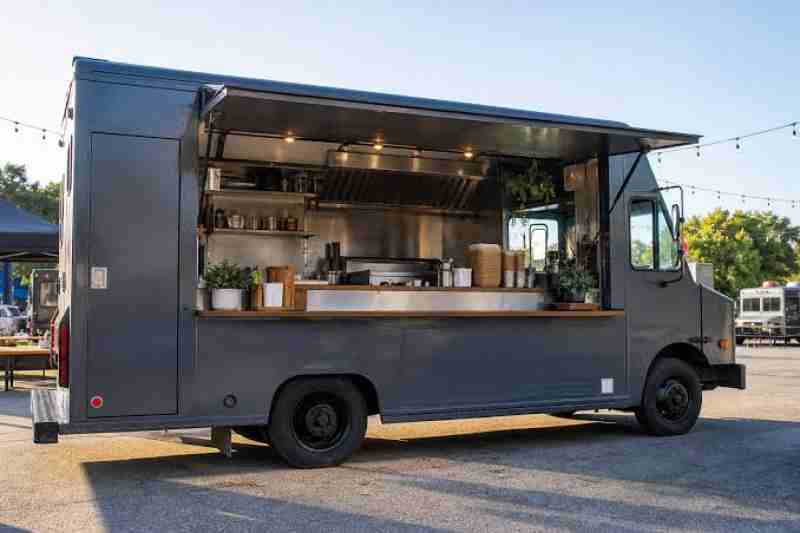 Orlando Food Truck Catering
Hiring a food truck sounds effortless until someone asks, "Wait, is that truck even allowed to park here?" A missing permit can shut down service mid-event, and one uninsured spill or a grease fire can turn a celebration into a legal headache. Most hosts never think about these details until something goes wrong, and by then it's too late. The good news is that the answer is simpler than you might expect. Here's what's covered, who's responsible, and what you should verify before you sign anything.
What Is Covered by the Truck Owner
Mobile catering food trucks are generally responsible for their own licensing and coverage. Every legitimate truck operates as a business, which means it carries the paperwork needed to cook and sell food legally. Hosts normally don't apply for these credentials themselves, but they should always confirm that the truck holds them.
Permits Food Trucks Usually Carry
Requirements vary by state, county, and city, but trucks in Florida typically hold the following:
- State food service license: Issued through the state agency that regulates mobile food vehicles
- Local business tax receipt: Required by the city or county where the truck operates
- Fire safety inspection: Confirms propane, fryers, and generators meet safety rules
- Health inspection records: Proof that food handling and storage meet standards
- Food manager certification: Training for safe food preparation
- Commissary or servicing agreement: A home base for cleaning, water, and food storage
Insurance Coverage to Look For
Insurance protects you, your guests, and the vendor. A professional truck usually carries:
- General liability: Covers injuries or property damage at the event
- Commercial auto insurance: Covers the vehicle itself while driving and parked
- Workers' compensation: Protects staff who cook and serve
- Product liability: Covers claims related to food-borne illness
Many venues also require a certificate of insurance listing the venue as an additional insured. Ask the vendor to provide this ahead of time.
Who Handles Paperwork When You Use a Coordinator
When you book trucks through a catering coordinator, much of the verification happens for you. Companies such as Orlando Food Trucks describe a single digital contract with one place to pay, while coordinating insurance, parking instructions, and truck arrival. That means you aren't chasing separate documents from several vendors. Still, it's smart to ask the coordinator exactly which documents they collect and which ones you can request a copy of.
Rules That Change Depending on the Event
Some locations add extra layers beyond a truck's standard paperwork. Public parks, festivals, and city streets may require a special event permit, which is often the host's responsibility. Private venues and corporate campuses may set their own vendor requirements. Confirm early, since approvals can take days or weeks.
Questions to Ask Before You Book
- Can you provide a current license and insurance certificate?
- Will you name my venue as an additional insured?
- Do you handle parking, power, and setup requirements?
- Who is responsible for any special event permit?
- What happens if a truck cancels or can't meet requirements?
Planning Larger Events
The stakes rise with crowd size, since more trucks mean more paperwork and more coordination. If you're searching for catering for large groups near me, choose a provider who can manage multiple vendors, verify every credential, and schedule arrival times so trucks don't block each other. One organized contract is far easier to manage than five separate agreements. It also reduces last-minute surprises, which matters most when hundreds of guests are waiting to eat.
Red Flags to Avoid
- A vendor who hesitates to share documents
- Expired or unreadable licenses
- No insurance certificate available on request
- Vague answers about who handles permits
- Prices far below the market average
Conclusion
Responsible food truck vendors carry their own credentials, and good coordinators double-check them for you. Still, a few quick questions and a request for documents can save you from costly problems later. Confirm licenses, review insurance, and clarify event permits well in advance. With the paperwork settled, you can relax and let the food, music, and good company take center stage.
Source:
Click for the: Full Story
You might like