Close Menu
 World
World
 Biography
 Health
 Education
 Business
 Lifestyle
 Sports
 Technology
 Animals
 History
 Food
Food
 Religious
 Startups
 Movies
 Politics
 Fashion
 Covid
Covid
 Diet
Diet
 Fitness
 Marketing
 Travel
 Science
 Reviews
 Social media
 Stories
 Facts
Facts
 Art
Art
 Entertainment
Rajan

Health
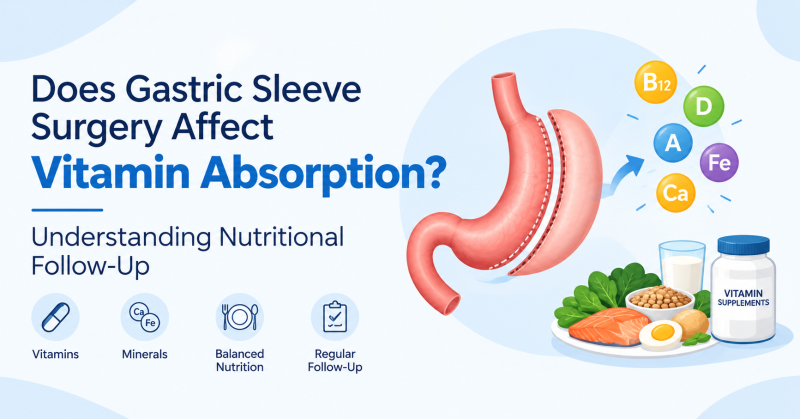
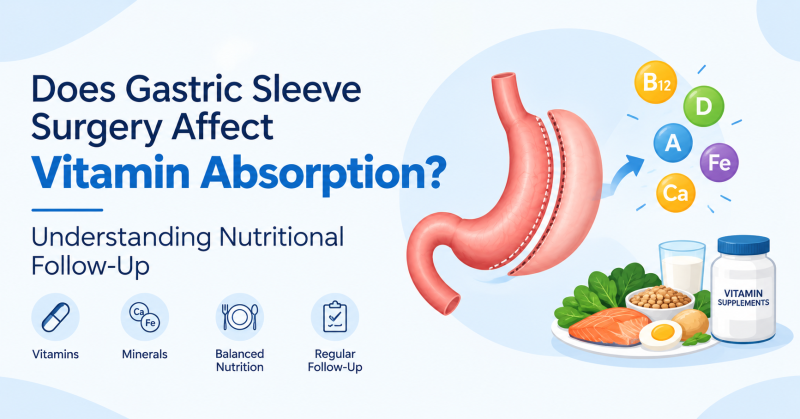
Does Gastric Sleeve Surgery Affect Vitamin Absorption? Understanding Nutritional Follow-Up
 Rajan
Rajan
Many people who consider weight-loss surgery worry about one thing beyond the operation itself: will my body still get the nutrients it needs? It is a fair concern. Gastric sleeve surgery changes the stomach, and the stomach plays a role in how we digest food and absorb certain vitamins.
The good news is that nutritional problems after a sleeve are largely preventable with the right supplements and regular blood tests. This guide explains how the surgery affects absorption, which nutrients need attention, and why long-term follow-up is as important as the operation. It also covers what to look for when choosing the best gastric sleeve surgery in Central Delhi.
How Gastric Sleeve Surgery Affects Nutrient Absorption
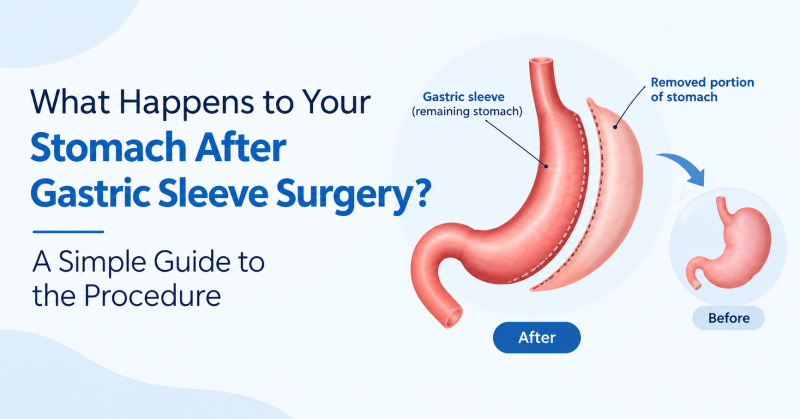
In a sleeve gastrectomy, about 75-80% of the stomach is removed, leaving a narrow tube. Unlike gastric bypass, the intestines are not rerouted, so the small intestine, where most nutrients are absorbed, remains intact.
Even so, absorption can be affected in two main ways:
- Less food intake. A smaller stomach means smaller meals, so you naturally take in fewer vitamins and minerals unless you plan your diet carefully.
- Reduced stomach acid and intrinsic factor. The removed portion of the stomach contains many of the cells that produce acid and intrinsic factor, a protein needed to absorb vitamin B12. Less acid also makes it harder to absorb iron and calcium from food.
Some patients also take acid-reducing medication after surgery, which can further limit absorption of certain nutrients.
Nutrients Most Commonly Affected
Vitamin B12
B12 supports nerves and red blood cell production. Because intrinsic factor is reduced, deficiency can develop slowly over months or years. Symptoms include tiredness, tingling in the hands and feet, and memory problems.
Iron
Iron needs stomach acid to be absorbed well. Low iron can cause fatigue, breathlessness, hair loss, and anaemia. Women who menstruate are at higher risk.
Vitamin D and Calcium
These two work together to protect bones. Low levels over time can weaken bones, so they are monitored closely, especially in a country where vitamin D deficiency is already common.
Folate
Needed for cell growth and especially important for women planning pregnancy after surgery.
Protein
Not a vitamin, but essential. Low protein intake can lead to muscle loss, weakness, and hair thinning. Most patients are advised to aim for a target set by their dietitian, often around 60-80 grams daily.
A Typical Supplement Plan
Exact doses are individual, so always follow your surgeon’s or dietitian’s advice. A common long-term plan includes:
- A daily complete multivitamin with minerals
- Calcium citrate, taken in divided doses
- Vitamin D3
- Vitamin B12, as tablets, drops, or injections
- Iron, if blood tests or menstruation make it necessary
- Folic acid, when advised
Tips that help absorption:
- Take calcium and iron at least two hours apart, as they compete for absorption
- Choose chewable or liquid forms in the early weeks if tablets are hard to swallow
- Do not stop supplements when you start feeling well, because deficiencies often show no early symptoms
Why Nutritional Follow-Up Matters
Deficiencies can appear quietly. By the time symptoms show up, levels may already be quite low. That is why regular monitoring is a standard part of bariatric care.
A usual follow-up schedule looks like this:
- First year: reviews at roughly 1, 3, 6, and 12 months
- After the first year: at least once a year for life
- Blood tests: haemoglobin, ferritin, vitamin B12, vitamin D, calcium, folate, and sometimes parathyroid hormone, zinc, and albumin
Skipping follow-up is one of the most common reasons people develop problems later. Regular check-ins also let your team adjust your diet, catch reflux or intolerance early, and support long-term weight maintenance.
Choosing the Right Team for Long-Term Care
When searching for the best gastric sleeve surgery in Central Delhi, look beyond the operation day. Nutritional safety depends on the whole programme:
- A dedicated bariatric dietitian who creates and reviews your meal plan
- Clear written guidance on supplements and blood tests
- Easy access to follow-up visits, including for patients travelling from other cities
- Hospital backup such as ICU facilities and multispecialty support
- Honest counselling about risks, not just results
Many patients prefer established multispecialty centres for this reason. Gastric sleeve surgery at Sir Ganga Ram Hospital, for example, is performed within a large hospital setup where dietetics, anaesthesia, and medical specialties are available under one roof. Surgeons such as Dr. Tarun Mittal, a laparoscopic and bariatric surgeon, practise there. Anyone looking for the best gastric sleeve surgeon in Rajinder Nagar should ask each surgeon how long-term nutritional follow-up is organised, since this says a lot about the quality of care.
Conclusion
Gastric sleeve surgery does affect how your body takes in certain vitamins, but the effect is manageable. A balanced, protein-focused diet, daily supplements, and regular blood tests keep most deficiencies from ever becoming a problem.
If you are exploring the best gastric sleeve surgery in Central Delhi, remember that the quality of aftercare matters as much as the operation. Choose a team that explains nutrition clearly and stays with you for the long term.
Visit Dr. Tarun Mittal
If you would like a personal consultation about gastric sleeve surgery or other weight-loss options, you can visit Dr. Tarun Mittal at:
Sir Ganga Ram Hospital, Old Rajendra Nagar, New Delhi - 110060
Disclaimer: This article is for general information only and is not a substitute for professional medical advice. Consult a qualified bariatric surgeon or dietitian before starting any supplement or making treatment decisions.
Frequently Asked Questions
1. Does gastric sleeve surgery cause vitamin deficiency?
It can, but it is not inevitable. Deficiencies are most likely when supplements are skipped or follow-up visits are missed. With a proper plan, most people stay healthy.
2. Which vitamin deficiency is most common after a sleeve?
Vitamin B12, iron, and vitamin D are the most frequently reported, along with low protein intake in the early months.
3. Do I need to take supplements for life?
Yes, in most cases. The stomach does not return to its original size or function, so lifelong supplementation and yearly blood tests are generally advised.
4. Can I get enough nutrition from food alone?
Usually not. Small portions make it difficult to meet all requirements through diet alone, which is why supplements are part of the standard plan.
5. Is hair loss after surgery caused by vitamin deficiency?
Temporary hair thinning is common between three and six months after surgery, mainly due to rapid weight loss. Adequate protein, zinc, iron, and biotin support recovery, and your team can check for any deficiency.
Source:
Click for the: Full Story
You might like