Close Menu
 World
World
 Biography
 Health
 Education
 Business
 Lifestyle
 Sports
 Technology
 Animals
 History
 Food
Food
 Religious
 Startups
 Movies
 Politics
 Fashion
 Covid
Covid
 Diet
Diet
 Fitness
 Marketing
 Travel
 Science
 Reviews
 Social media
 Stories
 Facts
Facts
 Art
Art
 Entertainment
Rajan

Health
What Happens to Your Stomach After Gastric Sleeve Surgery? A Simple Guide to the Procedure
 Rajan
Rajan
If you have struggled with obesity for years despite diets and exercise, you have probably come across gastric sleeve surgery. The first question most people ask is simple: what actually happens to my stomach?
Sleeve gastrectomy is one of the most commonly performed weight-loss procedures worldwide. Understanding what changes inside your body helps you set realistic expectations and decide whether it is right for you. This guide explains the procedure in plain language, from the operation itself to life afterwards. It also covers what to look for when searching for the best gastric sleeve surgery in Central Delhi.
What Is Gastric Sleeve Surgery?
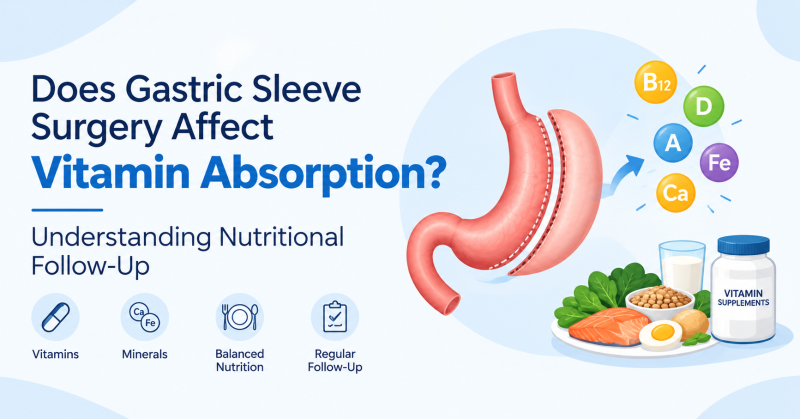
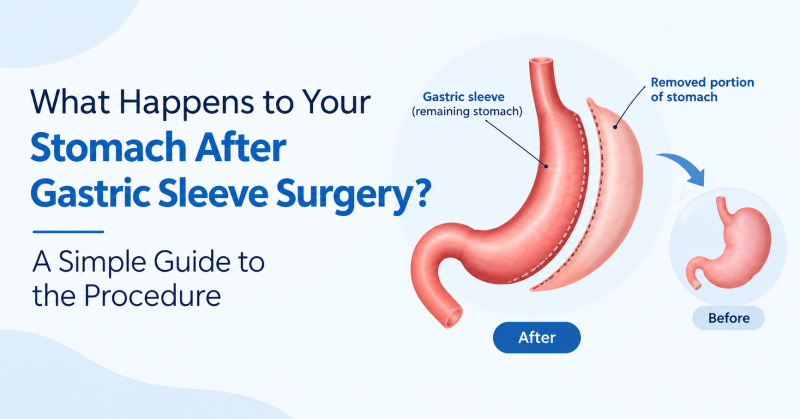
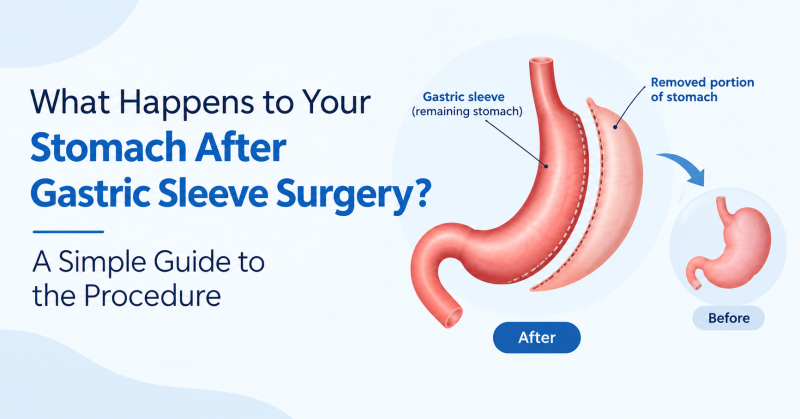
Gastric sleeve surgery, also called sleeve gastrectomy, is a bariatric (weight-loss) operation. The surgeon removes about 75–80% of the stomach and leaves a narrow, banana-shaped pouch, or “sleeve.”
It is usually done laparoscopically, through several small cuts in the abdomen, using a camera and fine instruments. The operation typically takes one to two hours, and most patients stay in hospital for one to three days.
What Happens to Your Stomach, Step by Step
1. The stomach is made smaller. A normal stomach holds roughly one to one and a half litres. After surgery, the sleeve holds only about 100–150 ml at first, and it stretches a little over time.
2. The removed portion is permanent. The larger, curved part of the stomach is taken out of the body. It cannot be reattached or regrown.
3. The sleeve is sealed. The surgeon staples the remaining stomach along its length. Your digestive tract is not rerouted, so food still travels through the stomach and intestines in the normal order.
4. Hunger hormones change. The removed section produces most of ghrelin, the hormone that signals hunger. With less of it, many patients feel less hungry. This hormonal effect is one reason sleeve surgery often helps with appetite as well as portion size.
How Your Body Feels After Surgery
You will feel full much sooner. A few spoonfuls of food may be enough in the early weeks. Most surgeons guide patients through staged eating:
- Liquids (first one to two weeks)
- Pureed foods (weeks two to four)
- Soft foods (weeks four to six)
- Regular, well-chewed solid foods (after about six to eight weeks)
Protein is the priority at every stage. It protects muscle and supports healing, and most programmes ask patients to sip fluids slowly between meals rather than with them.
Who Is a Suitable Candidate?
Eligibility is decided by a specialist after a full assessment. General guidelines include:
- A BMI of 35 or above, or lower with obesity-related conditions such as type 2 diabetes, high blood pressure, or sleep apnea
- Lower BMI thresholds are often applied for Asian populations, who tend to develop metabolic problems at lower body weights
- Previous serious attempts at supervised weight loss
- Willingness to follow lifelong dietary and follow-up guidance
Benefits You Can Realistically Expect
Many patients lose a large share of their excess weight within 12 to 18 months. Weight loss often brings improvements in blood sugar, blood pressure, joint pain, and sleep quality. Results vary, and surgery works best alongside lasting lifestyle changes.
Possible Risks and Side Effects
Like any major operation, sleeve surgery carries risks. These include:
- Staple-line leak or bleeding (uncommon but serious)
- Acid reflux, which can worsen or appear after surgery
- Nausea, vomiting, or narrowing of the sleeve
- Nutritional deficiencies, such as iron, vitamin B12, and vitamin D, if supplements are skipped
- Hair thinning and gallstones during rapid weight loss
Choosing an experienced team and attending every follow-up greatly reduces these risks.
How to Choose the Right Surgeon and Hospital in Central Delhi
Searching for the best gastric sleeve surgery in Central Delhi can be overwhelming, so focus on factors that actually affect safety:
- Specialist training in minimal access and bariatric surgery
- Volume and experience with sleeve gastrectomy
- A multidisciplinary team, including dietitians, anaesthetists, and physicians
- Hospital infrastructure, such as ICU backup and modern laparoscopic equipment
- Structured long-term follow-up and honest discussion of risks
Many patients look for care at established multispecialty centres. For example, gastric sleeve surgery at Sir Ganga Ram Hospital is available through its minimal access and bariatric surgery department. Surgeons such as Dr. Tarun Mittal, a laparoscopic and bariatric surgeon, practise there. Patients searching for the best gastric sleeve surgeon in Rajinder Nagar often start with hospital-based specialists like these. Speaking with more than one surgeon before deciding is always reasonable.
Conclusion
After gastric sleeve surgery, your stomach becomes a smaller, tube-shaped organ that fills quickly and sends fewer hunger signals. This helps weight loss, but it works best when paired with healthy eating, regular activity, and consistent follow-up.
If you are considering this path, take time to learn how the procedure works, ask about risks, and compare specialists. Making an informed decision is the best way to find the best gastric sleeve surgery in Central Delhi for your needs.
Visit Dr. Tarun Mittal
If you would like a personal consultation about gastric sleeve surgery or other weight-loss options, you can visit Dr. Tarun Mittal at:
Sir Ganga Ram Hospital, Old Rajendra Nagar, New Delhi - 110060
Disclaimer: This article is for general information only and is not a substitute for professional medical advice. Consult a qualified bariatric surgeon before making treatment decisions.
Frequently Asked Questions
1. Does the stomach grow back after gastric sleeve surgery?
No. The removed portion is gone permanently. The remaining sleeve can stretch slightly over time, especially with overeating, which is why portion control matters.
2. How long is recovery after gastric sleeve surgery?
Most people go home within one to three days and return to desk work in one to two weeks. Full dietary progression takes six to eight weeks.
3. Is gastric sleeve surgery painful?
Because it is done laparoscopically, pain is usually modest and managed with medication. Mild shoulder or abdominal discomfort from the gas used during surgery is common for a few days.
4. How much weight can I lose?
Results vary, but many patients lose 55–70% of excess body weight within the first one to two years. Your diet, activity level, and follow-up adherence strongly influence the outcome.
5. Will I need supplements for life?
Most surgeons recommend a multivitamin, calcium, vitamin D, and often vitamin B12 and iron long term, guided by regular blood tests.
Source:
Click for the: Full Story
You might like