


 Close Menu
 World
 Biography
 Health
 Education
 Business
 Lifestyle
 Sports
 Technology
 Animals
 History
 Food
 Religious
 Startups
 Movies
 Politics
 Fashion
 Covid
 Diet
 Fitness
 Marketing
 Travel
 Science
 Reviews
 Social media
 Stories
 Facts
 Art
 Entertainment
Joe Robbin

Business
Enhance Your Property With Professional Hardscaping Services in Madison, AL
 Joe Robbin
Outdoor spaces need more than plants and lawns to look complete. Hardscape features provide structure, define different areas, and create useful surfaces around a home. Patios, retaining walls, walkways, fire features, and stone borders can improve how homeowners use their properties.
Professional hardscaping services in Madison help turn open or uneven outdoor areas into organized spaces. Proper material selection and installation also support long term performance.
Homeowners in Madison, Alabama, can use hardscaping to improve outdoor access, create seating areas, and add practical features to their landscapes.
What Is Hardscaping?
Hardscaping refers to the nonliving features within a landscape. These features usually consist of stone, brick, concrete, pavers, gravel, and other construction materials.
Unlike softscaping, which includes plants, grass, and trees, hardscaping focuses on built outdoor structures and surfaces.
Hardscape features help organize the property. They can create paths, separate garden areas, support changes in ground level, and provide stable surfaces for outdoor furniture.
A balanced landscape combines hardscape and softscape elements to create a useful outdoor environment.
Popular Hardscaping Services for Residential Properties
Homeowners can choose from several hardscaping options depending on their property and outdoor goals.
Paver Patio Installation
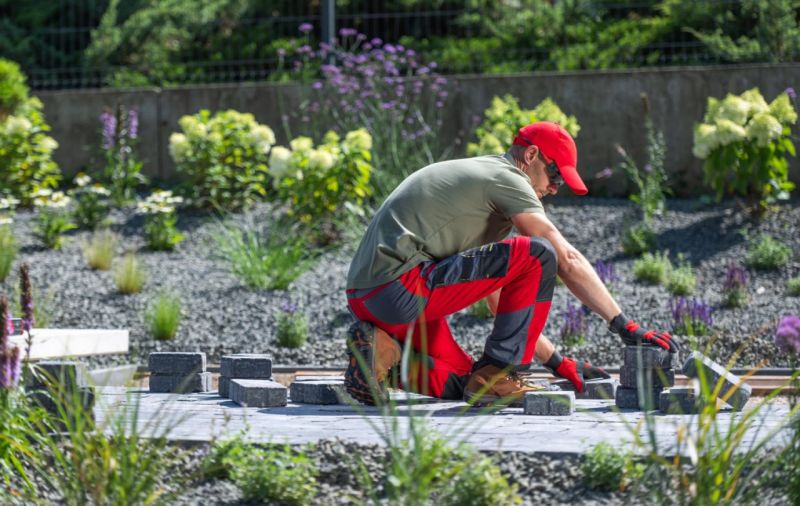
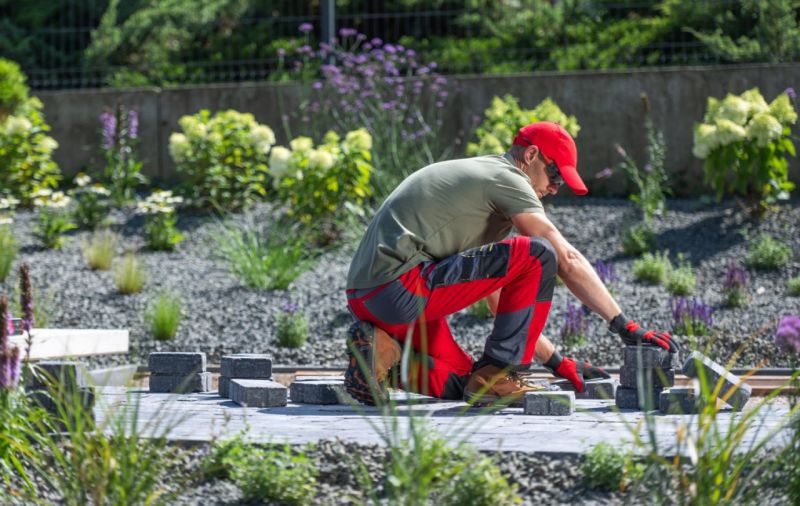
Paver patios provide a stable surface for outdoor dining, seating, and entertainment. They come in different shapes, colors, and patterns.
Concrete pavers offer a flexible design option, while brick and natural stone provide different textures and appearances.
Proper base preparation and drainage help prevent uneven surfaces and water buildup.
Retaining Wall Installation
Retaining walls support soil where the ground changes elevation. They can also create raised garden beds and separate different sections of a yard.
Contractors must consider wall height, soil pressure, drainage, and material strength before construction.
Proper drainage behind a retaining wall helps reduce water pressure and supports the structure.
Stone and Paver Walkways
Walkways connect entrances, patios, gardens, and other outdoor areas. They provide clear walking routes and help protect planted areas from foot traffic.
Homeowners can choose concrete pavers, brick, natural stone, or gravel based on the property's style and intended use.
Outdoor Steps
Outdoor steps help people move between areas with different elevations. Stone and concrete steps can connect patios, walkways, and raised garden spaces.
The design should provide consistent step height, suitable depth, and stable footing.
Fire Pit Areas
A fire pit can create a central gathering space in a backyard. Stone and paver surfaces can define the surrounding seating area.
Homeowners should consider local fire regulations, safe clearances, and the manufacturer's installation requirements before adding a fire feature.
Decorative Stone and Gravel
Decorative stone and gravel provide a practical way to cover selected landscape areas. They can reduce exposed soil and create visual contrast around plants and structures.
Proper ground preparation and edging help keep these materials in place.
Benefits of Professional Hardscaping
Hardscaping adds useful structure to residential landscapes. It also helps homeowners make better use of outdoor areas.
The main advantages include:
- Better outdoor organization: Patios, walls, and walkways create defined areas for different activities.
- Durable surfaces: Suitable materials and proper installation provide stable areas for regular use.
Hardscape features can also improve access, support sloped areas, and reduce the amount of lawn that requires regular mowing.
Hardscaping Materials and Their Uses
The material you choose affects the appearance, cost, and maintenance requirements of a project.
Concrete
Concrete works well for patios, walkways, steps, and other residential surfaces. It provides a simple appearance and supports several finishing options.
Concrete Pavers
Paver installation services come in many colors, shapes, and sizes. Their modular design allows contractors to create different patterns and replace individual units when necessary.
Natural Stone
Natural stone offers varied textures and colors. It works well for patios, walkways, steps, and retaining walls.
Stone selection should account for strength, surface texture, and the intended application.
Brick
Brick creates a traditional appearance. Homeowners often use brick for walkways, patio surfaces, borders, and decorative details.
Gravel
Gravel provides a flexible surface for garden paths, decorative areas, and selected outdoor spaces. Proper edging helps control movement and maintain the intended layout.
The Hardscaping Installation Process
Successful hardscaping starts with planning and proper site preparation.
1. Site Inspection
Contractors inspect the area and review the ground conditions, slopes, drainage, access, and existing structures.
They also discuss the homeowner's goals and identify suitable materials.
2. Design and Measurements
The contractor measures the installation area and develops a practical layout. This stage includes decisions about dimensions, patterns, material choices, and connections to existing features.
3. Excavation and Base Preparation
Workers remove unwanted materials and excavate the area to the required depth.
They install and compact suitable base materials to create a stable foundation. This step plays an important role in preventing movement and settlement.
4. Construction and Installation
Contractors install the selected hardscape features according to the approved plan.
Pavers require proper spacing and edge restraints. Retaining walls need suitable foundations and drainage. Steps require careful attention to height and stability.
5. Finishing and Inspection
The final stage includes checking alignment, surface stability, edges, and drainage.
Workers also clean the area and complete necessary finishing details.
Hardscaping Considerations for Madison, AL
Madison experiences hot summers, seasonal rain, and changing soil moisture conditions. These factors can affect outdoor construction.
Drainage deserves special attention because heavy rainfall can cause water to collect around patios, walls, and walkways.
Contractors should also consider soil conditions and the property's slope before starting construction. Suitable base materials and proper compaction help support paved surfaces.
Homeowners should choose materials that suit local weather and the intended use of each area.
Combining Hardscaping and Landscaping
Hardscaping works best when it complements the plants and natural features around the property.
A paver patio can connect with garden beds through a walkway. A retaining wall can create space for shrubs and flowers. Decorative stone can define planting areas and reduce exposed soil.
The design should maintain a balance between built surfaces and living elements.
Hardscaping Maintenance Tips
Regular maintenance helps protect outdoor structures.
Homeowners should clean patios and walkways to remove dirt and organic debris. They should inspect paver joints and replace missing joint sand when needed.
Retaining walls require periodic checks for visible movement, drainage problems, and damaged sections.
Gravel areas may need occasional leveling and fresh material. Sealing should depend on the selected material and manufacturer guidance.
What Affects Hardscaping Costs?
Hardscaping costs vary based on project size, materials, labor, and site conditions.
A simple paver walkway usually requires less work than a retaining wall or large patio with several design features.
Excavation, drainage improvements, access limitations, and removal of existing structures can also affect the total price.
A detailed estimate should explain the materials, preparation, construction, and finishing work.
Frequently Asked Questions
1. What services does a hardscaping contractor provide?
A hardscaping contractor may install patios, walkways, retaining walls, steps, paver driveways, decorative stone, and other outdoor structures.
2. What is the difference between hardscaping and landscaping?
Hardscaping includes built features such as patios, walls, and walkways. Landscaping includes plants, lawns, trees, and garden beds.
3. Are pavers suitable for Madison, AL?
Yes. Suitable pavers can work well in Madison when contractors prepare a stable base and provide proper drainage.
4. How long do hardscape features last?
Their lifespan depends on material quality, installation, maintenance, and exposure to weather. Properly installed stone and paver features can provide years of service.
5. Do retaining walls need drainage?
Yes. Proper drainage helps reduce water pressure behind retaining walls and supports their long term stability.
6. Can hardscaping improve a sloped backyard?
Yes. Retaining walls, steps, and carefully planned walkways can make sloped areas more accessible and useful.
Conclusion
Hardscaping helps homeowners create stable, organized, and attractive outdoor spaces. Patios, retaining walls, walkways, and other built features improve how people use their properties. Careful planning, suitable materials, and proper drainage help protect these installations over time.
All American Vidal Contracting LLC is the best company for hardscaping services in Madison, AL and surrounding areas. Homeowners can rely on the company for outdoor improvement solutions that help make residential properties more functional and attractive.
Source:
Click for the: Full Story
You might like





You Might Like this