


 Close Menu
 World
 Biography
 Health
 Education
 Business
 Lifestyle
 Sports
 Technology
 Animals
 History
 Food
 Religious
 Startups
 Movies
 Politics
 Fashion
 Covid
 Diet
 Fitness
 Marketing
 Travel
 Science
 Reviews
 Social media
 Stories
 Facts
 Art
 Entertainment
Adam John

Business
What Is EMI Testing? A Complete Guide to Electromagnetic Interference Testing
 Adam John
Introduction
Modern electronic devices rely on electromagnetic signals to operate efficiently. From smartphones and computers to medical equipment, industrial machinery, and wireless communication systems, electronic products generate and interact with electromagnetic energy. However, unwanted electromagnetic signals can interfere with the performance of nearby devices. This problem is known as electromagnetic interference (EMI).
EMI testing is the process of identifying, measuring, and evaluating electromagnetic interference produced by electronic and electrical equipment. It helps manufacturers determine whether their products generate excessive electromagnetic emissions or are vulnerable to interference from external sources. EMI testing plays an important role in product safety, reliability, regulatory compliance, and electromagnetic compatibility.
Whether a company manufactures consumer electronics, automotive components, industrial equipment, or wireless devices, understanding EMI testing is essential for developing products that operate reliably in today's increasingly connected environment.
What Is EMI Testing?
Electromagnetic Interference (EMI) testing is a series of laboratory procedures used to measure unwanted electromagnetic energy generated by electronic equipment. The purpose is to ensure that electrical and electronic products do not create interference that could disrupt the operation of other devices.
EMI can occur through two primary pathways: conducted emissions and radiated emissions.
- Conducted EMI: Interference that travels through physical connections, such as power cables, signal wires, and electrical circuits.
- Radiated EMI: Electromagnetic energy that travels through the air and affects nearby electronic devices.
EMI testing evaluates both types of emissions to determine whether a product meets applicable electromagnetic compatibility (EMC) requirements.
It is important to understand that EMI and EMC are related but different concepts. EMI refers to unwanted electromagnetic disturbance, while EMC describes a product's ability to operate correctly in its electromagnetic environment without causing unacceptable interference to other equipment.
Why Is EMI Testing Important?
EMI testing is important because electromagnetic interference can affect the performance, reliability, and functionality of electronic equipment. A device that generates excessive electromagnetic noise may interfere with nearby products, communication systems, or sensitive instruments.
Here are some major reasons why manufacturers conduct EMI testing.
1. Ensures Regulatory Compliance
Many countries have electromagnetic compatibility requirements for electronic products. Manufacturers must demonstrate that their equipment meets applicable emission limits before selling it in certain markets.
For example, products entering the United States may need to comply with relevant Federal Communications Commission (FCC) requirements. European markets generally require compliance with applicable EMC legislation and standards.
Testing helps manufacturers identify compliance issues before launching their products.
2. Prevents Electromagnetic Interference
EMI testing identifies unwanted emissions that could disrupt nearby equipment. This is particularly important in environments where multiple electronic systems operate together, including hospitals, factories, laboratories, and communication facilities.
3. Improves Product Reliability
Electronic devices must operate consistently under different electromagnetic conditions. EMI testing helps manufacturers identify design weaknesses and improve circuit protection, shielding, and filtering.
4. Reduces Product Development Costs
Identifying EMI problems during the design stage is generally less expensive than correcting them after manufacturing begins. Early testing can reduce redesign costs, production delays, and product certification issues.
5. Builds Customer Confidence
Products that meet relevant electromagnetic compatibility requirements demonstrate a commitment to quality and reliability. This can strengthen customer confidence and improve a manufacturer's reputation.
Types of EMI Testing
EMI testing generally focuses on measuring unwanted electromagnetic emissions. The two main categories are conducted emissions testing and radiated emissions testing.
Conducted Emissions Testing
Conducted emissions testing measures electromagnetic noise that travels through electrical connections, particularly power supply cables.
During this test, specialized equipment measures unwanted electrical signals traveling through the device's power connections. The results are compared with applicable regulatory limits.
Conducted emissions testing is commonly performed on:
- Computers and laptops
- Power supplies and chargers
- Industrial control equipment
- Household appliances
- Electronic manufacturing equipment
This testing helps manufacturers identify electrical noise that could affect other devices connected to the same power network.
Radiated Emissions Testing
Radiated emissions testing measures electromagnetic energy transmitted through the air by an electronic device.
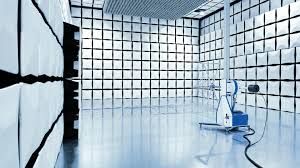
Testing is usually conducted in a controlled electromagnetic environment using antennas, receivers, and specialized measurement equipment.
Radiated emissions testing is important for products containing switching circuits, processors, motors, wireless components, and high-frequency electronics.
It helps determine whether a product generates electromagnetic emissions that could interfere with nearby electronic systems.
How Does EMI Testing Work?
EMI testing follows a structured process to evaluate the electromagnetic emissions of a product. Although procedures vary depending on the equipment and applicable standards, the general process includes the following steps.
Step 1: Identify Applicable Standards
The testing laboratory identifies the regulatory requirements and technical standards relevant to the product, its operating environment, and its intended market.
Step 2: Prepare the Device Under Test
The product is configured in its normal operating condition. Supporting equipment, cables, accessories, and operating modes are selected to represent realistic usage.
Step 3: Conduct Emissions Measurements
Specialized instruments measure conducted and radiated electromagnetic emissions. The measurements help identify frequencies where unwanted electromagnetic noise occurs.
Step 4: Compare Results With Limits
The measured emissions are compared with the applicable limits established by relevant regulatory standards.
Step 5: Identify and Correct Problems
If the product exceeds permitted emission limits, engineers investigate the source of interference. They may improve circuit layouts, introduce shielding, install filters, or modify grounding arrangements.
Step 6: Prepare the Test Report
The laboratory documents the testing procedures, equipment, measurement results, and compliance findings. Additional testing may be necessary after design modifications.
Common EMI Testing Equipment
Accurate EMI testing requires specialized instruments designed to detect and measure electromagnetic emissions.
Common equipment includes:
- EMI Receivers: Measure electromagnetic signals across specified frequency ranges.
- Spectrum Analyzers: Display signal strength across different frequencies to help identify interference sources.
- Antennas: Detect radiated electromagnetic emissions from electronic devices.
- LISNs: Line Impedance Stabilization Networks provide a controlled measurement impedance for conducted emissions testing.
- Anechoic Chambers: Specialized rooms designed to minimize unwanted electromagnetic reflections during radiated testing.
- Current Probes: Measure unwanted electrical currents flowing through cables and conductors.
These instruments help testing engineers evaluate product emissions accurately and identify potential compliance problems.
EMI Testing Standards and Regulations
EMI testing requirements depend on the product category, intended use, and destination market. Several international standards and regulatory frameworks are commonly used.
FCC Requirements
The Federal Communications Commission regulates radiofrequency emissions from relevant electronic devices in the United States. FCC Part 15 is particularly important for many unintentional and intentional radiators.
CISPR Standards
The International Special Committee on Radio Interference (CISPR) develops standards addressing electromagnetic disturbances and measurement methods. CISPR standards are widely used in product compliance testing.
IEC Standards
The International Electrotechnical Commission (IEC) develops international standards for electrical and electronic equipment. Its EMC standards help establish consistent testing requirements across different industries.
European EMC Requirements
Products covered by the European Union's EMC Directive must meet applicable electromagnetic compatibility requirements. Manufacturers may need to demonstrate conformity before placing products on the European market.
What Happens If a Product Fails EMI Testing?
If a product fails EMI testing, it means that one or more measured emissions exceed the applicable limits or that another relevant requirement has not been satisfied.
Engineers typically investigate the source of interference and implement corrective measures, such as:
- Adding electromagnetic shielding.
- Improving PCB layout and circuit routing.
- Installing EMI filters.
- Improving cable management.
- Optimizing grounding techniques.
- Reducing switching noise from electronic components.
After implementing these changes, the product is tested again to verify whether the corrective actions have resolved the issue.
EMI Testing vs. EMC Testing: What Is the Difference?
EMI testing and EMC testing are closely connected, but they do not mean exactly the same thing.
EMI testing primarily evaluates unwanted electromagnetic emissions generated by a device. EMC testing is broader and examines whether a product can operate correctly in its electromagnetic environment.
EMC testing typically includes two important areas:
- Emissions testing: Determines how much electromagnetic disturbance a product generates.
- Immunity testing: Evaluates how well a product withstands external electromagnetic disturbances.
Both are important for ensuring reliable electronic equipment.
Conclusion
EMI testing is an essential part of modern electronic product development. It helps manufacturers identify unwanted electromagnetic emissions, prevent interference, improve product reliability, and meet applicable regulatory requirements.
From consumer electronics and automotive systems to industrial machinery and medical equipment, proper EMI testing supports dependable performance in environments where electronic devices operate close together.
By conducting EMI testing early in the development process and addressing potential interference problems, manufacturers can reduce compliance risks, avoid expensive redesigns, and bring reliable products to market with greater confidence.
Frequently Asked Questions (FAQs)
1. What is the main purpose of EMI testing?
The main purpose of EMI testing is to measure unwanted electromagnetic emissions from electronic equipment and determine whether they meet applicable regulatory limits.
2. What are the two main types of EMI testing?
The two main types are conducted emissions testing, which measures interference traveling through electrical connections, and radiated emissions testing, which measures electromagnetic energy transmitted through the air.
3. Is EMI testing mandatory?
EMI testing may be necessary to demonstrate compliance with applicable regulatory requirements before certain electronic products can be marketed. Requirements depend on the product and destination country.
4. How long does EMI testing take?
Testing time depends on product complexity, applicable standards, laboratory availability, and whether the device passes its initial evaluation. Simple tests may take a few hours, while complete compliance evaluations can require several days or longer.
5. What is the difference between EMI and EMC?
EMI refers to unwanted electromagnetic interference, while EMC describes the ability of electronic equipment to operate properly without causing or experiencing unacceptable electromagnetic interference.
6. How can manufacturers reduce EMI?
Manufacturers can reduce EMI through proper PCB design, electromagnetic shielding, filtering, grounding improvements, cable management, and careful component selection.
Source:
Click for the: Full Story
You might like








You Might Like this