



 Close Menu
 World
World
 Biography
 Health
 Education
 Business
 Lifestyle
 Sports
 Technology
 Animals
 History
 Food
Food
 Religious
 Startups
 Movies
 Politics
 Fashion
 Covid
Covid
 Diet
Diet
 Fitness
 Marketing
 Travel
 Science
 Reviews
 Social media
 Stories
 Facts
Facts
 Art
Art
 Entertainment
Deepak

Health
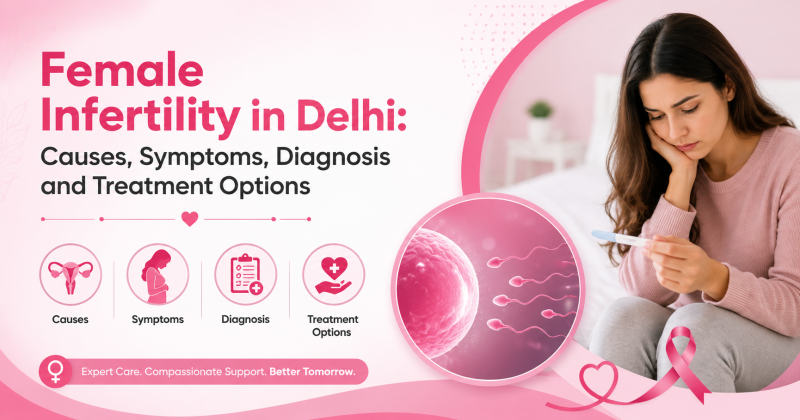
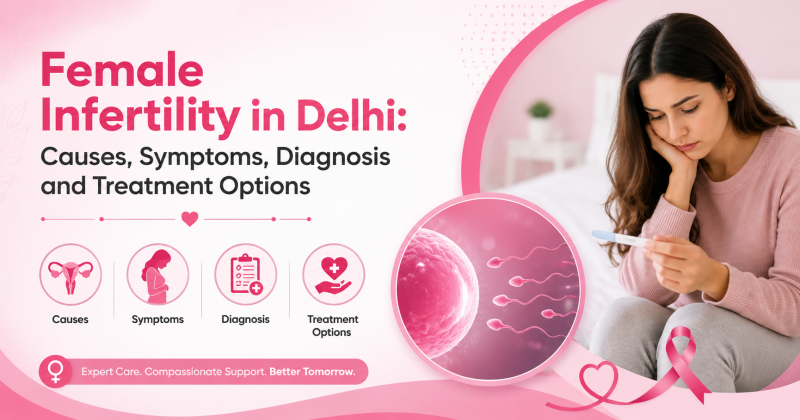
Female Infertility in Delhi: Causes, Symptoms, Diagnosis and Treatment Options
 Deepak
For many couples, trying to conceive is an exciting journey, but difficulty becoming pregnant can bring emotional and physical challenges. Female infertility can occur due to problems involving ovulation, the fallopian tubes, uterus, hormones, ovarian reserve, or other reproductive factors. With timely evaluation and appropriate treatment, many women can improve their chances of conception.
For women looking for Female infertility in Delhi treatment, understanding the possible causes, symptoms, diagnostic tests, and available treatment options is an important first step.
What Is Female Infertility?
Female infertility generally refers to difficulty achieving pregnancy despite regular unprotected intercourse. Infertility may result from female factors, male factors, a combination of both, or sometimes unexplained causes.
Age is also an important consideration because female fertility gradually declines with age, particularly due to changes in egg quantity and quality.
A fertility evaluation can help identify the underlying reason and determine an appropriate treatment plan.
Common Causes of Female Infertility
Female infertility can have several causes. Some of the most common include:
Ovulation problems: Irregular or absent ovulation can make conception difficult. Conditions such as PCOS, hormonal imbalances, thyroid disorders, and certain medical conditions may affect ovulation.
Age-related fertility decline: As women get older, ovarian reserve and egg quality may decrease. This can make conception more difficult and may also affect pregnancy outcomes.
Blocked fallopian tubes: The fallopian tubes provide a pathway for the egg and sperm to meet. Previous pelvic infections, endometriosis, or abdominal and pelvic surgeries can sometimes affect the tubes.
Endometriosis: Endometriosis may affect the ovaries, fallopian tubes, and pelvic tissues. In some women, it can contribute to fertility difficulties.
Uterine conditions: Fibroids, polyps, adhesions, or certain structural abnormalities of the uterus may interfere with implantation or pregnancy.
Reduced ovarian reserve: A lower number of remaining eggs may affect fertility, particularly as a woman approaches her late 30s and beyond.
Symptoms of Female Infertility
Infertility itself may not cause obvious symptoms. Often, the main sign is simply difficulty becoming pregnant.
However, certain symptoms may indicate an underlying reproductive or hormonal issue. These can include:
- Irregular or absent periods
- Very painful periods
- Excessive or unusually light menstrual bleeding
- Pelvic pain
- Symptoms associated with PCOS
- Repeated pregnancy loss
- Previous pelvic infections or reproductive surgery
Women experiencing these concerns should consider discussing them with a qualified fertility professional rather than delaying evaluation.
How Is Female Infertility Diagnosed?
Diagnosis usually begins with a detailed medical and reproductive history. The doctor may ask about menstrual cycles, previous pregnancies, medical conditions, surgeries, medications, lifestyle factors, and how long the couple has been trying to conceive.
Depending on the individual situation, investigations may include:
Ovulation assessment: Blood tests or ultrasound monitoring may help determine whether ovulation is occurring regularly.
Ovarian reserve testing: Tests such as AMH, along with antral follicle count on ultrasound, may provide information about ovarian reserve.
Ultrasound: Pelvic or transvaginal ultrasound can help evaluate the uterus, ovaries, follicles, fibroids, cysts, or other abnormalities.
Tubal evaluation: Tests such as HSG may be recommended to assess whether the fallopian tubes are open.
Hormonal testing: Specific blood tests may be advised when hormonal or endocrine problems are suspected.
A complete fertility assessment may also include evaluation of the male partner because infertility can involve either partner.
Treatment Options for Female Infertility
Treatment depends on the underlying cause, age, ovarian reserve, duration of infertility, and other individual factors.
Lifestyle and medical management: Some women may benefit from improving weight management, nutrition, sleep, physical activity, or treating an underlying medical condition.
Ovulation induction: Medications may be used to stimulate or regulate ovulation when ovulation problems are identified.
IUI: Intrauterine insemination may be considered in selected cases where the fallopian tubes are open and other factors are suitable.
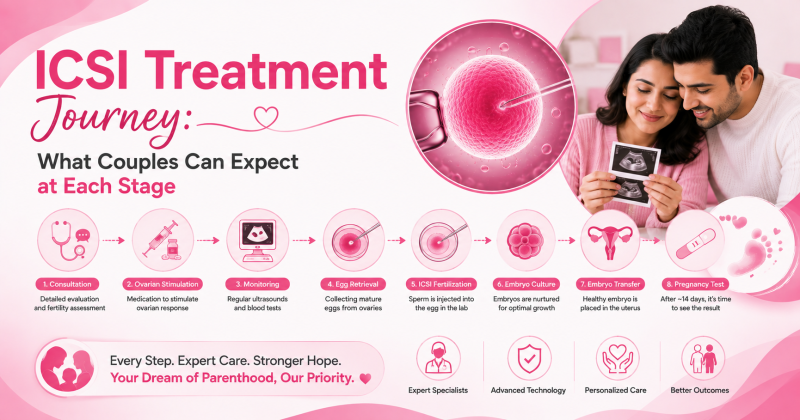
IVF: In vitro fertilization involves retrieving eggs, fertilizing them with sperm in a laboratory, developing embryos, and transferring a suitable embryo into the uterus.
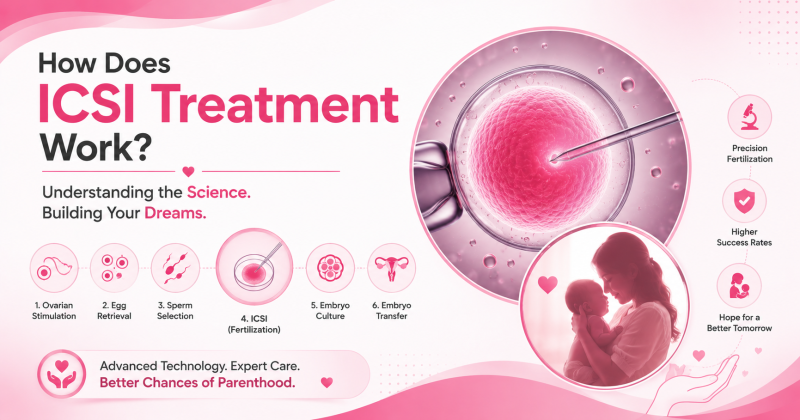
ICSI: Intracytoplasmic sperm injection involves injecting a single sperm directly into an egg. It may be recommended in specific fertility situations.
Surgery: Certain structural problems, such as some fibroids, polyps, endometriosis-related conditions, or tubal problems, may require surgical treatment depending on the circumstances.
When Should You Consult a Fertility Specialist?
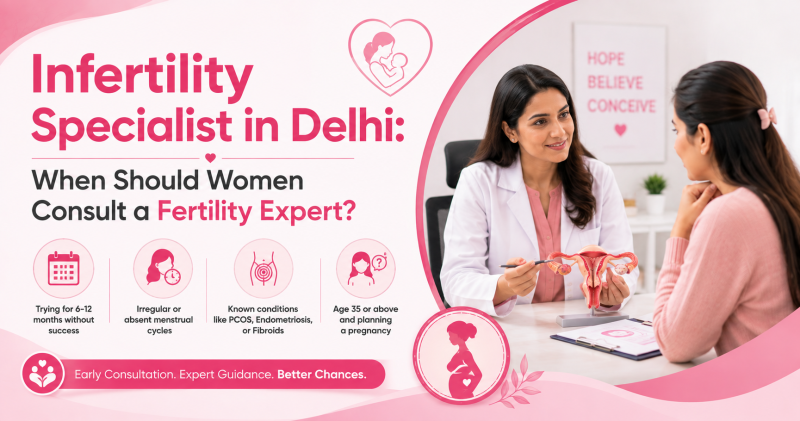
Women should not always wait for years before seeking professional advice. Earlier evaluation can be particularly important when a woman has irregular periods, known endometriosis or PCOS, previous pelvic surgery, reduced ovarian reserve, or is concerned about age-related fertility changes.
A qualified Infertility specialist in Delhi can evaluate the individual situation and recommend appropriate investigations rather than applying the same treatment to every patient.
Women specifically searching for an Infertility Specialist In Yamuna Vihar Delhi may consider choosing a specialist who provides comprehensive fertility evaluation and discusses treatment options according to individual needs.
Choosing the Right Fertility Care
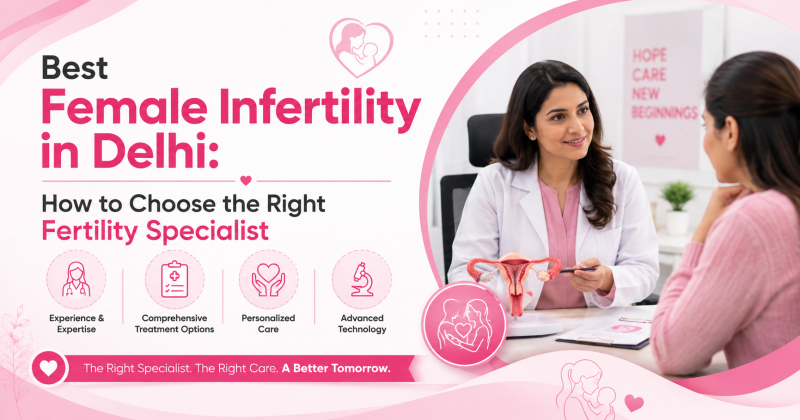
Finding the Best female infertility in Delhi is not simply about choosing a clinic based on advertisements or success-rate claims. Women should consider the doctor's experience, diagnostic approach, treatment options, communication style, transparency about costs, and whether treatment is personalized.
Fertility treatment can be a step-by-step process. A clear diagnosis and realistic treatment plan can help couples make informed decisions.
Conclusion
Female infertility can have different causes, and identifying the underlying factor is essential for choosing the right treatment. From ovulation problems and PCOS to tubal issues, endometriosis and age-related changes, professional evaluation can provide valuable guidance.
If you are looking for Female infertility in Delhi, consulting an experienced fertility professional can help you understand your reproductive health and explore suitable treatment options based on your individual circumstances.
Frequently Asked Questions
1. What is the most common cause of female infertility?
Ovulation problems, age-related changes, tubal problems, endometriosis, and uterine conditions are among the possible causes.
2. Can female infertility be treated?
Many causes of female infertility can be treated or managed through medication, lifestyle changes, surgery, IUI, IVF, or other fertility treatments.
3. When should I see a fertility specialist?
Consider consultation if pregnancy has not occurred after an appropriate period of trying, or sooner if you have irregular periods, known reproductive conditions, previous pelvic surgery, or concerns about fertility.
4. Does age affect female fertility?
Yes. Fertility generally declines with age, with more noticeable changes occurring during the later reproductive years.
Source:
Click for the: Full Story
You might like


You Might Like this