



 Close Menu
 World
World
 Biography
 Health
 Education
 Business
 Lifestyle
 Sports
 Technology
 Animals
 History
 Food
Food
 Religious
 Startups
 Movies
 Politics
 Fashion
 Covid
Covid
 Diet
Diet
 Fitness
 Marketing
 Travel
 Science
 Reviews
 Social media
 Stories
 Facts
Facts
 Art
Art
 Entertainment
Deepak

Health
Infertility Specialist in Delhi: When Should Women Consult a Fertility Expert?
 Deepak
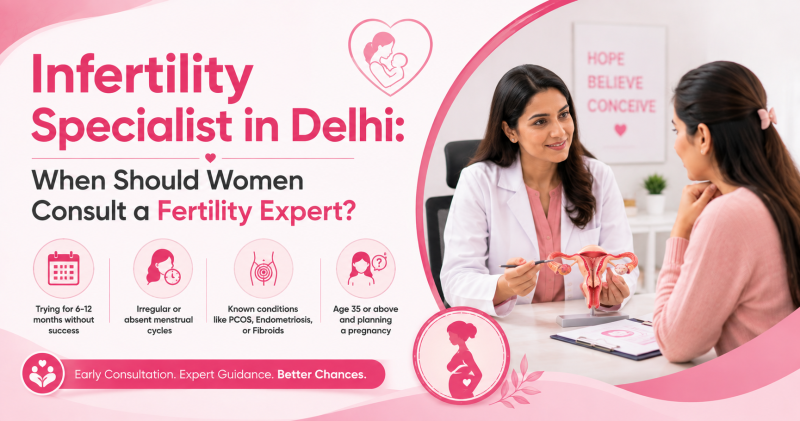
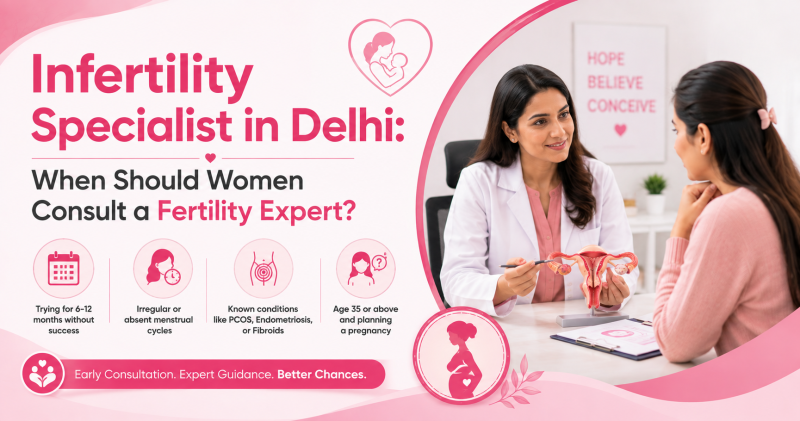
Difficulty conceiving can be stressful, especially when a couple does not know why pregnancy is not happening. Many women initially wait and hope that conception will occur naturally. While this may be reasonable in some situations, delaying a fertility evaluation is not always advisable, particularly when there are known reproductive or hormonal concerns.
Knowing when to consult an Infertility specialist in Delhi can help women identify potential fertility problems earlier and understand which treatment options may be appropriate.
What Is an Infertility Specialist?
An infertility specialist is a doctor who evaluates and manages fertility-related problems in women and couples. The evaluation may involve menstrual history, ovulation, ovarian reserve, fallopian tubes, uterus, hormonal factors, and other reproductive conditions.
Depending on the findings, treatment may include lifestyle modifications, medications, ovulation induction, IUI, IVF, ICSI, or surgery in selected cases.
A fertility consultation does not automatically mean that advanced treatment such as IVF will be required. The first objective is usually to understand the possible reason for difficulty conceiving.
When Should a Woman Consult a Fertility Expert?
One of the most common questions women have is how long they should try naturally before seeking professional advice.
Women under 35 who have regular menstrual cycles are generally advised to seek an infertility evaluation after 12 months of regular unprotected intercourse without conception.
Women aged 35 or older may benefit from evaluation after around six months of trying because fertility can decline more rapidly with age.
Women over 40 may benefit from consulting a fertility specialist sooner rather than waiting several months.
These are general guidelines. A woman with known fertility-related conditions may need evaluation earlier.
Irregular Periods Can Be a Reason to Seek Help
Regular ovulation is important for natural conception. Irregular, very infrequent, or absent periods may indicate that ovulation is not occurring consistently.
PCOS, thyroid disorders, hormonal imbalances, significant weight changes, and other conditions can affect menstrual cycles.
If your periods are consistently irregular, speaking with an Infertility specialist in Delhi can help determine whether ovulation or another underlying factor is affecting fertility.
Previous Diagnosis of PCOS or Endometriosis
PCOS is a common condition that can affect ovulation and fertility. Not every woman with PCOS will experience infertility, but irregular ovulation can make conception more difficult.
Endometriosis may also affect fertility by influencing the ovaries, fallopian tubes, pelvic tissues, or other reproductive structures.
Women with these conditions may benefit from discussing their fertility plans with a specialist, particularly if they are actively trying to conceive.
Age and Female Fertility
Age is an important factor in female fertility. As women age, both the number and quality of available eggs generally decrease.
This does not mean pregnancy is impossible at an older age. However, fertility assessment can help women understand their individual circumstances and make informed decisions about family planning.
Women concerned about age-related fertility decline may consider consulting a specialist rather than relying solely on general fertility information available online.
Previous Pelvic Surgery or Tubal Problems
The fallopian tubes play an important role in natural conception. Previous pelvic infections, certain surgeries, endometriosis, or other conditions may affect the tubes.
Women with a history of ectopic pregnancy, pelvic surgery, or suspected tubal problems may need earlier fertility assessment.
Tests such as HSG may be recommended when appropriate to determine whether the fallopian tubes are open.
Repeated Pregnancy Loss
Experiencing more than one pregnancy loss can be emotionally difficult and may require medical evaluation.
Depending on the individual's history, a doctor may investigate hormonal, anatomical, genetic, metabolic, or other factors that could contribute to recurrent pregnancy loss.
A fertility specialist can help determine which investigations are appropriate rather than recommending unnecessary tests.
What Happens During a Fertility Consultation?
The first consultation usually begins with a detailed discussion about your reproductive and medical history.
Your doctor may ask about:
- Menstrual cycle pattern
- Previous pregnancies
- Duration of trying to conceive
- Previous fertility treatments
- Medical conditions
- Previous surgeries
- Medications
- Lifestyle factors
- Family history
Depending on the situation, the doctor may recommend tests such as ultrasound, hormonal testing, ovarian reserve assessment, or tubal evaluation.
The male partner may also require fertility evaluation because difficulty conceiving can involve male factors, female factors, or both.
What Treatment Options May Be Available?
Treatment depends entirely on the underlying cause.
For some women, improving lifestyle factors or treating an underlying hormonal condition may be sufficient.
Ovulation-induction medication may be recommended when irregular ovulation is identified.
IUI may be considered in selected cases where the clinical conditions are appropriate.
IVF may be recommended when other treatments are unsuccessful or when certain fertility factors make IVF more suitable.
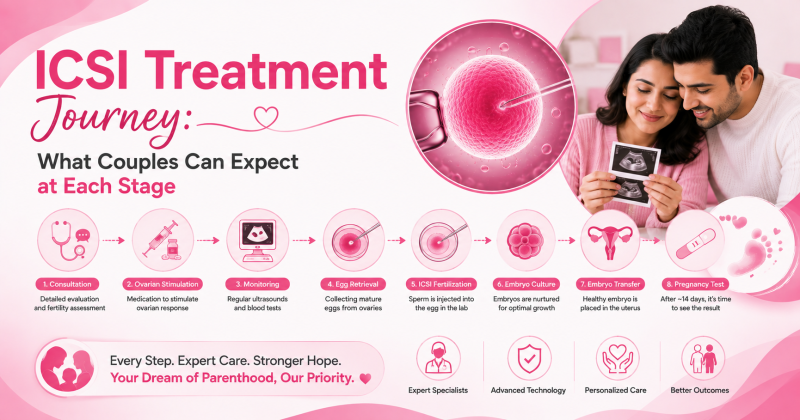
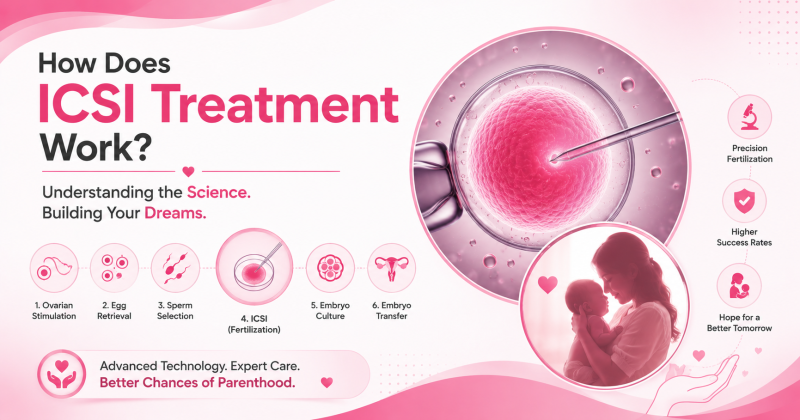
ICSI is a specialized fertilization technique that may be used during IVF in particular circumstances.
The appropriate treatment should be determined after evaluating the couple rather than choosing treatment solely based on its popularity.
Finding an Infertility Specialist in Yamuna Vihar
Women living in East Delhi may prefer accessible fertility care because fertility treatment can involve multiple appointments, investigations, ultrasound monitoring, and follow-ups.
If you are specifically searching for an Infertility Specialist In Yamuna Vihar Delhi, consider the doctor's experience, diagnostic approach, available treatment options, communication, and ability to provide individualized fertility guidance.
Location is useful for convenience, but medical expertise and personalized care should remain important factors when choosing a specialist.
Conclusion
Knowing when to consult a fertility expert can help women avoid unnecessary delays in understanding their reproductive health. Irregular periods, PCOS, endometriosis, previous pelvic surgery, recurrent pregnancy loss, age-related fertility concerns, and prolonged difficulty conceiving are all reasons to consider professional evaluation.
If you are searching for an Infertility specialist in Delhi or an Infertility Specialist In Yamuna Vihar Delhi, choose a specialist who focuses on accurate diagnosis, individualized treatment planning, clear communication, and appropriate fertility care.
Frequently Asked Questions
1. When should a woman see an infertility specialist?
Women under 35 generally consider evaluation after 12 months of trying, while women aged 35 or older may consider evaluation after six months. Earlier consultation may be appropriate when fertility concerns are already known.
2. Should I see a specialist if my periods are irregular?
Yes. Irregular periods can sometimes indicate inconsistent ovulation, so discussing the issue with a fertility specialist can help identify the cause.
3. Does consulting an infertility specialist mean I need IVF?
No. A specialist first evaluates the possible cause of infertility. Treatment may involve lifestyle changes, medication, IUI, surgery, IVF, or other approaches depending on the individual situation.
4. Can PCOS cause infertility?
PCOS can affect ovulation and may make conception more difficult for some women. However, many women with PCOS can conceive with appropriate management.
5. Can male factors contribute to infertility?
Yes. Fertility difficulties can involve male factors, female factors, both partners, or sometimes remain unexplained. Evaluation of both partners can therefore be important.
Source:
Click for the: Full Story
You might like



You Might Like this