Close Menu
 World
World
 Biography
 Health
 Education
 Business
 Lifestyle
 Sports
 Technology
 Animals
 History
 Food
Food
 Religious
 Startups
 Movies
 Politics
 Fashion
 Covid
Covid
 Diet
Diet
 Fitness
 Marketing
 Travel
 Science
 Reviews
 Social media
 Stories
 Facts
Facts
 Art
Art
 Entertainment
Deepak

Health
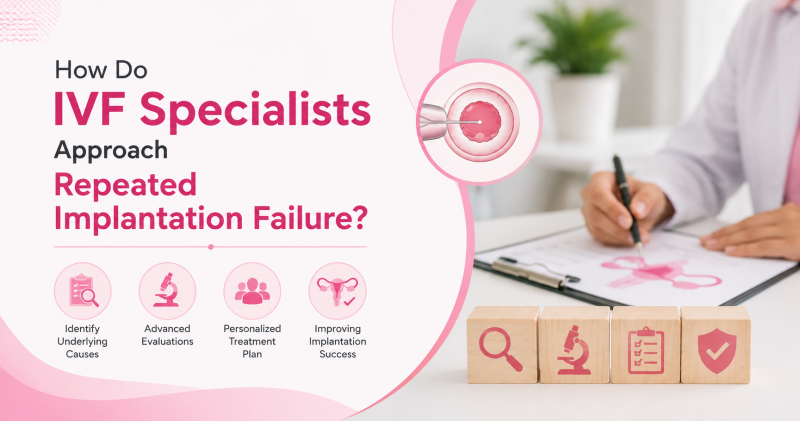
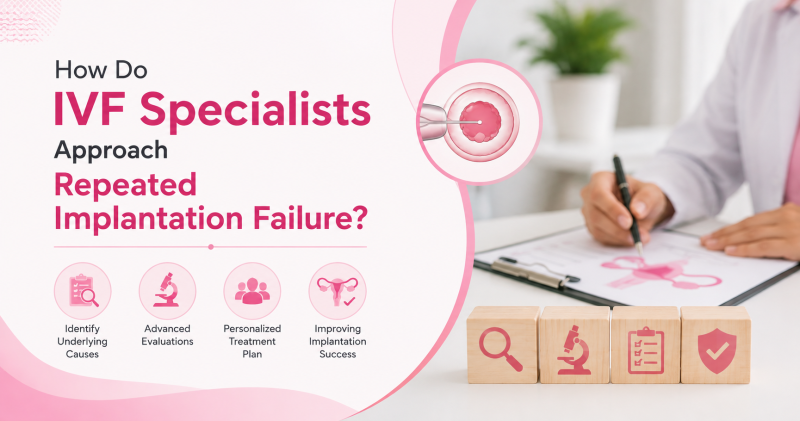
How Do IVF Specialists Approach Repeated Implantation Failure?
 Deepak
Few things are harder for a couple than going through IVF, reaching the embryo transfer, and then receiving a negative result. When this happens more than once, it is natural to feel discouraged and to wonder what is going wrong.
The reassuring part is that repeated implantation failure (RIF) is a recognised clinical situation, and fertility specialists have a structured way of looking into it. It does not mean that IVF cannot work for you. It means the next step should be based on a closer, more personalised review. Speaking with an experienced IVF doctor in Delhi can help you understand where to begin.
What Is Repeated Implantation Failure?
Repeated implantation failure generally refers to a situation where a couple does not achieve pregnancy after several embryo transfers, even when the embryos appear to be of good quality. There is no single universal definition. Clinics may define it differently, for example by the number of transfers or the number of good-quality embryos transferred, which is why a specialist will always look at your individual history rather than a fixed number.
Implantation depends on three things working together:
- A healthy, genetically normal embryo
- A receptive uterine lining
- A well-timed interaction between the embryo and the uterus
If any one of these is affected, implantation may not happen.
Why Does Implantation Fail? Possible Contributing Factors
In many cases, no single cause is found. Specialists usually look at several areas.
Embryo-related factors
- Chromosomal abnormalities in the embryo, which become more common as maternal age increases
- Egg or sperm quality concerns
- Challenges in embryo development in the laboratory
Uterine factors
- Polyps, fibroids, or scar tissue (adhesions) in the uterine cavity
- Thin or poorly developing endometrial lining
- Chronic endometritis, an inflammation of the uterine lining
- Structural variations of the uterus
Other contributing factors
- Hydrosalpinx (fluid-filled blocked fallopian tubes)
- Hormonal or thyroid imbalance
- Blood-clotting tendencies in selected cases
- Lifestyle influences such as smoking, high stress, or poorly controlled conditions like diabetes
Because causes vary so widely, a one-size-fits-all approach is rarely effective.
Step 1: A Careful Review of Previous Cycles
The first thing a specialist does is look backwards. Your previous IVF cycles hold valuable clues, so the review may cover:
- The stimulation protocol and how your body responded
- Number, grading, and development stage of embryos
- Fresh versus frozen transfer, and how the transfer was done
- Endometrial thickness and hormone support during previous attempts
Sometimes small adjustments, such as changing the protocol or the timing of transfer, can make a meaningful difference.
Step 2: Evaluating the Uterus
Since the uterus must be ready to receive the embryo, many specialists recommend assessing it in detail. Depending on your history, this may include:
- A detailed ultrasound
- Hysteroscopy, a minor procedure that lets the doctor look inside the uterine cavity and treat issues such as polyps or adhesions at the same time
- Testing for chronic endometritis if suggested by symptoms or findings
Correcting a uterine problem before the next transfer can improve the environment for implantation.
Step 3: Looking at Embryo Quality
Where embryo quality is a concern, specialists may discuss options such as:
- Extended culture to blastocyst stage, which helps in selecting better-developed embryos
- Preimplantation genetic testing for aneuploidy (PGT-A), which screens embryos for chromosomal abnormalities. It may be considered in selected situations, such as advanced maternal age or repeated failures, but it is not necessary for everyone, and its benefit is still debated, so your doctor will explain whether it suits you.
- Sperm evaluation, including DNA fragmentation testing in some cases
- ICSI, when sperm quality is a concern
Step 4: Checking Hormonal and Medical Health
Thyroid function, blood sugar, vitamin levels, and other health conditions can influence the uterine environment. Treating these properly forms part of preparing for another cycle. Some patients may also need further tests, such as clotting or immune evaluation, but these are only advised when there is a clear clinical reason, as evidence for many such tests is limited.
Step 5: Personalising the Next Transfer
Once the review is complete, the plan is adjusted to you. This may involve:
- Modifying hormone support for the uterine lining
- Choosing the best-quality embryo for transfer
- Reconsidering the timing of transfer
- Taking time to correct a treatable issue before trying again
The Emotional Side of Implantation Failure
Repeated disappointment can affect mental health, relationships, and confidence. A good fertility team acknowledges this. Taking a short break, seeking counselling, and discussing expectations openly are all valid parts of the journey.
Finding the Right Fertility Centre
When searching for the best IVF centre in Delhi after a failed cycle, look for more than a clinic name. A centre that is suitable for RIF should:
- Review your previous cycles in detail rather than repeating the same protocol
- Offer hysteroscopy, genetic testing options, and a well-equipped embryology laboratory
- Explain the reasoning behind each recommendation honestly
- Avoid unnecessary add-on treatments without medical justification
- Provide counselling and consistent follow-up
Many couples also prefer a convenient location for monitoring visits, so an IVF clinic in Yamuna Vihar, Delhi, can be a practical choice for those living in that part of the city.
Guidance From Dr. Poonam Goyal
Dr. Poonam Goyal is a gynecologist and fertility specialist in Delhi who supports couples through every stage of fertility care, including those who have experienced unsuccessful cycles. Her approach focuses on reviewing each patient's history carefully, explaining findings in simple terms, and planning the next step based on individual needs rather than a fixed protocol.
When to Seek Specialist Advice
It may be time to consult a fertility specialist if:
- You have had two or more unsuccessful embryo transfers
- Your embryos looked good but did not implant
- You have a history of uterine surgery, fibroids, or infections
- You have had pregnancy loss alongside failed cycles
- You feel unsure about why previous treatment did not work
Final Thoughts
Repeated implantation failure is difficult, but it is not necessarily the end of the road. By reviewing past cycles, assessing the uterus, evaluating embryo quality, and addressing underlying health factors, IVF specialists can build a clearer plan for the next attempt. Outcomes can never be guaranteed, but a thoughtful, individualised approach gives you the best opportunity to move forward with understanding and confidence.
This article is for educational purposes only and does not replace personal medical advice. Please consult a qualified fertility specialist for guidance specific to your situation.
Frequently Asked Questions
1. How many failed IVF transfers count as repeated implantation failure?
There is no single definition. Many specialists consider RIF after several unsuccessful transfers of good-quality embryos, but your doctor will assess your individual history rather than rely on a set number.
2. Does a failed IVF cycle mean IVF will never work for me?
No. Many factors influence implantation, and a number of them can be identified and addressed. A detailed review often helps guide a better-planned next cycle.
3. What tests may be done after repeated implantation failure?
Depending on your history, tests may include a review of previous cycles, ultrasound, hysteroscopy, thyroid and hormone tests, sperm evaluation, and, in selected cases, genetic screening of embryos. Your doctor will advise which tests are relevant for you.
4. Is PGT-A necessary after repeated implantation failure?
Not always. It may be considered in selected cases, such as advanced maternal age, but it is not required for everyone. Your specialist can explain whether it is likely to be helpful in your situation.
5. Can lifestyle changes help improve implantation?
Healthy habits such as a balanced diet, regular activity, stress management, not smoking, and managing conditions like diabetes or thyroid imbalance support overall reproductive health, though they work alongside medical treatment rather than replacing it.
Source:
Click for the: Full Story
You might like