Close Menu
 World
World
 Biography
 Health
 Education
 Business
 Lifestyle
 Sports
 Technology
 Animals
 History
 Food
Food
 Religious
 Startups
 Movies
 Politics
 Fashion
 Covid
Covid
 Diet
Diet
 Fitness
 Marketing
 Travel
 Science
 Reviews
 Social media
 Stories
 Facts
Facts
 Art
Art
 Entertainment
Feri Setiawan

Technology
How Indoor Air Monitoring Can Improve Indoor Air Quality
 Feri Setiawan
Indoor air quality (IAQ) has become an increasingly important consideration in homes, offices, schools, hospitals, laboratories, commercial buildings, and industrial facilities. People spend a significant portion of their day indoors, making the condition of indoor air an important factor in comfort, productivity, and overall well-being. However, poor indoor air quality is not always visible or easy to detect. This is where indoor air monitoring plays an important role.
Indoor air monitoring uses sensors and measurement systems to track different air quality parameters inside a building. By collecting accurate and continuous data, these systems can help building owners, facility managers, and occupants understand what is happening in their indoor environment and take appropriate action when air quality deteriorates.
Air Conditioner info visit: harga ac 1/2 pk - acjakarta.com
Understanding Indoor Air Quality
Indoor air quality refers to the condition of the air within and around buildings and its potential effects on occupants. Several factors can influence IAQ, including ventilation, temperature, humidity, airborne particles, chemical pollutants, biological contaminants, and emissions from building materials or everyday activities.
Common indoor pollutants include particulate matter, carbon dioxide (CO₂), volatile organic compounds (VOCs), carbon monoxide (CO), and other gases. Excessive humidity can also encourage mold growth, while insufficient ventilation may allow pollutants to accumulate over time.
Because many of these problems cannot be identified by sight or smell alone, relying only on human observation is often insufficient. Indoor air monitoring provides measurable information that can reveal problems before they become more serious.
What Does Indoor Air Monitoring Measure?
Modern indoor air monitoring systems can measure a variety of environmental parameters depending on the application. Temperature and relative humidity are among the most basic measurements because they directly influence thermal comfort and moisture conditions.
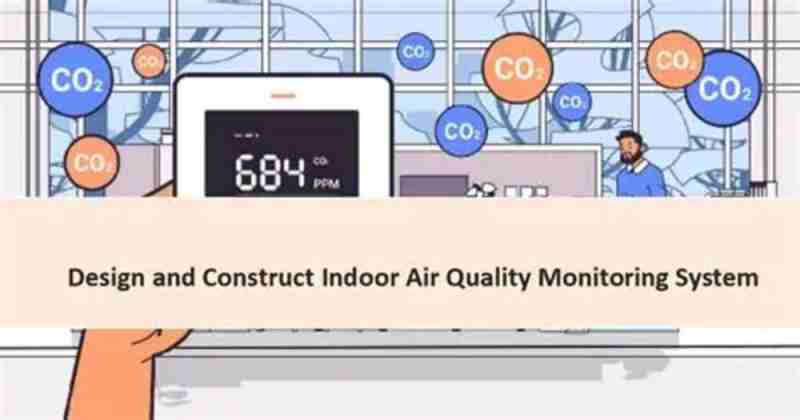
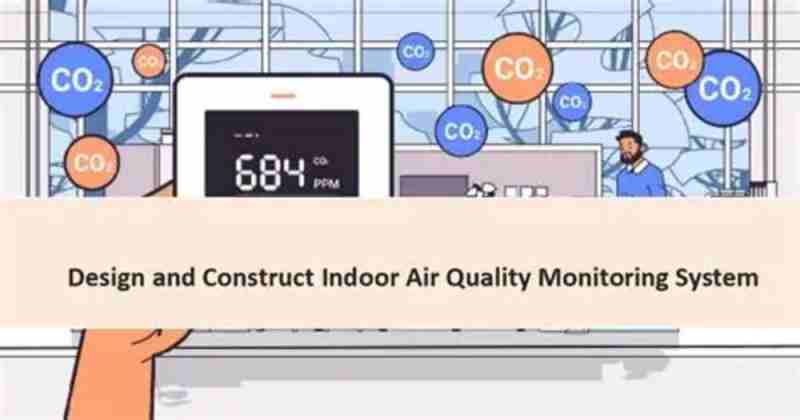
Carbon dioxide is another important parameter. Although CO₂ is naturally produced by people during respiration, elevated concentrations indoors can indicate inadequate ventilation relative to occupancy. Monitoring CO₂ can therefore provide useful insight into ventilation performance.
Particulate matter sensors can measure airborne particles of different sizes, including fine particles that may originate from combustion, outdoor pollution, dust, or indoor activities. VOC sensors can help identify changes associated with cleaning products, paints, furnishings, solvents, and other chemical sources.
Some monitoring systems can also detect carbon monoxide and other specific gases, providing an additional layer of protection in environments where these pollutants may be present.
Identifying Air Quality Problems Faster
One of the biggest advantages of indoor air monitoring is early detection. Without monitoring equipment, a ventilation problem may remain unnoticed until occupants begin experiencing discomfort or unusual odors become apparent.
Continuous monitoring can identify abnormal changes in air quality and provide data that helps facility personnel investigate the cause. For example, a sudden increase in particulate matter could indicate a nearby construction activity, filtration problem, combustion source, or other event.
Similarly, consistently elevated CO₂ levels may suggest that a space requires improved ventilation management. Instead of relying on assumptions, facility managers can use monitoring data to make more informed decisions.
Supporting Better Ventilation Management
Ventilation is one of the most important components of good IAQ. Fresh outdoor air helps dilute indoor pollutants and remove unwanted contaminants. However, simply increasing ventilation at all times may increase energy consumption.
Indoor air monitoring can support a more balanced approach. Real-time measurements allow ventilation systems to respond more effectively to actual indoor conditions. In buildings equipped with automated controls, sensor data can potentially be integrated with HVAC systems to adjust airflow according to occupancy and air quality conditions.
This approach can help maintain healthier indoor environments while avoiding unnecessary ventilation when demand is low.
Improving Occupant Comfort and Productivity
Poor indoor air quality can contribute to an uncomfortable working or living environment. Excessive humidity, stale air, odors, and airborne particles can affect how people perceive indoor spaces.
For workplaces, maintaining suitable environmental conditions may also support productivity and occupant satisfaction. Employees are more likely to feel comfortable when temperature, humidity, ventilation, and air cleanliness are properly managed.
Monitoring systems provide facility teams with objective information rather than relying exclusively on complaints. This makes it easier to identify recurring patterns and address environmental issues systematically.
Enabling Data-Driven Building Management
Another important benefit of indoor air monitoring is the ability to create historical records. Instead of looking at air quality as a single measurement, building managers can analyze trends over hours, days, weeks, or months.
Historical data can reveal recurring problems, such as poor air quality during peak occupancy or increased humidity during certain seasons. These insights can help managers plan maintenance, improve ventilation strategies, evaluate filtration performance, and prioritize building improvements.
Cloud-connected monitoring platforms can make this information accessible remotely, allowing authorized personnel to review measurements and receive alerts when selected parameters exceed predefined thresholds.
Applications Across Different Facilities
Indoor air monitoring can be useful in many environments. Offices can use it to evaluate ventilation and occupant comfort. Schools can monitor classroom conditions where occupancy levels may change throughout the day. Hospitals and laboratories may require more specialized monitoring depending on the activities and contamination risks involved.
Industrial facilities can also benefit from monitoring systems designed for specific gases, particles, or environmental conditions. Residential buildings can use simpler systems to provide occupants with greater awareness of indoor environmental conditions.
The appropriate monitoring strategy depends on the building type, occupancy, activities, ventilation system, and potential pollutant sources.
Choosing the Right Indoor Air Monitoring System
Selecting an indoor air monitoring solution should begin with identifying the parameters that matter most for the specific environment. A system designed for a residential room may have very different requirements from one used in a laboratory or industrial facility.
Sensor accuracy, calibration requirements, data logging, connectivity, alarm functions, installation location, and maintenance should all be considered. Sensors should also be positioned appropriately because measurements can vary significantly depending on airflow, occupancy, pollutant sources, and proximity to ventilation outlets.
Conclusion
Indoor air monitoring provides a practical way to understand and improve indoor air quality. By continuously measuring important environmental parameters, monitoring systems can help identify problems, support ventilation management, improve occupant comfort, and provide valuable information for long-term building management.
Rather than waiting for poor air quality to become noticeable, organizations can use real-time data to take a proactive approach. As buildings become increasingly connected and energy-conscious, indoor air monitoring is likely to remain an important tool for creating healthier, more comfortable, and better-managed indoor environments.
Source:
Click for the: Full Story
You might like