



 Close Menu
 World
World
 Biography
 Health
 Education
 Business
 Lifestyle
 Sports
 Technology
 Animals
 History
 Food
Food
 Religious
 Startups
 Movies
 Politics
 Fashion
 Covid
Covid
 Diet
Diet
 Fitness
 Marketing
 Travel
 Science
 Reviews
 Social media
 Stories
 Facts
Facts
 Art
Art
 Entertainment
Dr. Max Mongelli

Health
How Technology Is Transforming Modern Gynaecology Care
 Dr. Max Mongelli
Gynaecology today isn't limited only to standard examinations and treatment. It now includes modern imaging technology and minimally invasive surgeries as well as digital patient records. Highly experienced specialists like Dr. Max Mongelli recognise how important it is to combine expert clinical knowledge with the latest medical technology. This will help women steer through various stages of their lives.
Advanced Imaging Has Improved Diagnosis
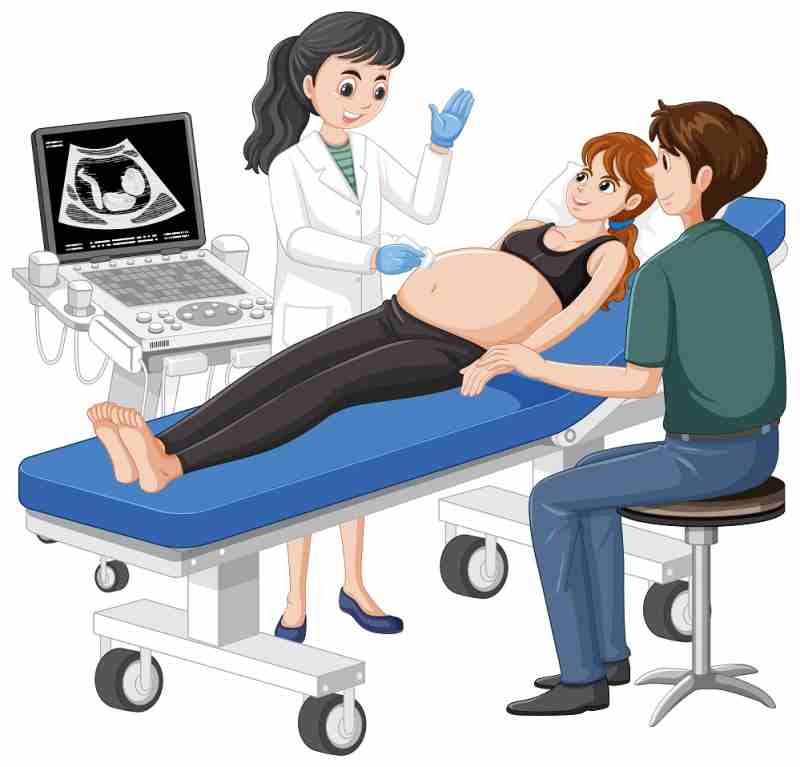
Ultrasound technology has evolved dramatically over time. Healthcare professionals can identify problems with their health early and much more precisely.
How imaging technology can aid in diagnostics:
- Clearer fetal scans.
- Early detection of disease.
- Accurate pelvic imaging.
- Better treatment planning.
- Reduction in diagnostic delay.
Ultrasound systems offer greater clarity when monitoring pregnancy. The technology helps doctors evaluate the fetal growth rate and monitor the progress of pregnancy more efficiently.
The Role of the Digital Diagnostic System
Advanced imaging is also helpful in the detection of ailments. Many times, clearer images reduce the necessity for diagnostic procedures as doctors are able to obtain more exact details.
Why modern scans are used:
- Accurate cyst detection.
- A better fibroid assessment.
- Non-invasive diagnosis.
- Better pelvic evaluation.
- Faster health evaluation.
Magnetic resonance imaging and other digital diagnostic tools are also helping in the diagnosis of more complex reproductive issues. These tools aid in quicker diagnosis and better treatment plans.
Minimally Invasive Surgery Has Changed Patient Recovery
The surgical techniques in gynaecology have been made safer and less demanding because of modern techniques for surgery. These days, minimally invasive procedures can help patients recuperate more quickly.
Perks of invasive surgeries:
- Faster healing process.
- Lower infection risks.
- Shorter hospital stays.
- Better mobility for patients.
Cameras and small surgical instruments permit surgeons to complete surgeries through small cuts instead of large incisions. The result is usually less pain, a lower risk, fewer hospitalisations, and a lower risk of scarring.
Digital Health Records Are Improving Coordination
Communication between hospitals, specialists, and diagnostic centres is essential for gynaecology. This approach to coordination minimises errors and provides health workers with proper information.
The importance of connected health:
- Accurate patient updates.
- Improvement in the quality of care.
- Medical errors are reduced.
- Healthcare coordination support.
- Faster decision-making.
Digital technology also makes the administrative process more efficient. This increases the convenience of patients and helps clinics function more efficiently.
Expanding Access to Specialists
Virtual consultation provides patients with the ability to undergo discussion with specialists through secure digital communications. This makes medical information more accessible, particularly to women residents of rural areas or who find themselves unable to move about easily.
Why telemedicine:
- Remote healthcare access.
- Flexible options for consultation.
- Greater regional support.
- Medical guidance that is more rapid.
- Better patient comfort.
Patients can talk about their signs and symptoms, medical histories and get treatment through virtual consultations. In some cases, though, a physical exam might be necessary.
Artificial Intelligence Is Supporting Clinical Decisions
AI technology is being employed to assess the embryo's quality in assisted reproduction procedures. It can help doctors select the best embryos for implantation.
How AI can help:
- Better analysis of embryos.
- Better fertility results.
- Accurate embryo selection.
- Aided fertility support.
AI helps with screening for cervical cancer. Even though doctors still have the responsibility for the final diagnosis, AI helps improve precision.
Wearable Devices Are Encouraging Better Health Monitoring
There might be applications that track the periods that could indicate irregular periods, changes in hormones or other warning signs that should prompt a medical checkup. This helps to build awareness and allows intervention to begin at a younger age if concerns are present.
How electronic tracking can aid in the management:
- Early detection of a symptom.
- More accurate hormone monitoring.
- Improved reproductive awareness.
- Rapider medical intervention.
- Complete health monitoring.
- Improved involvement of patients.
Remote monitoring tools can aid in the treatment of pregnant women by monitoring various health indicators. Surgery patients may get the benefit of digital monitoring devices that can help health professionals monitor the progress of their recovery better.
Preventive Care Has Become More Effective
The health of women has been improved due to technological development regarding screening for cervical cancer, especially breast imaging. Cancer being detected early means that treatment options can be greater and there are better, longer-term outcomes.
How technology improves screening strategies:
- A better Cancer screening.
- Image quality improved.
- Earlier treatment planning.
- Better patient outcomes.
- Accurate health assessments.
Online reminders and digital appointment sites also help women to go for regular checks and adhere to recommended screening times. The availability of reliable health information via online medical sources aids in education and awareness for patients.
Personalised Treatment Is Improving Patient Outcomes
Technology is helping doctors develop more personalised treatments for their patients. Instead of the standard treatment for each patient, health care providers are now able to examine health records.
The importance of a personalised health plan:
- Customised treatment methods.
- Better patient outcomes.
- Improved healthcare precision.
- Individual health plans.
- Improved treatment efficiency.
Things like the history of your medical condition, lifestyle, and hormonal pattern can be taken into consideration when making treatment plans. The personalised approach increases patients' satisfaction as well as facilitating better long-term health care.
Learn More About Modern Women's Healthcare
Dr Max Mongelli offers expertise in the field of obstetrics, gynaecology and the latest medical techniques. Find out more about the available services and professional medical care on the official website.
Why Dr Max Mongelli:
- Expertise in medical practice.
- Personalised patient support.
- A reliable reproductive guideline.
- Trusted specialist services.
Conclusion
Modern technology is constantly changing through improving diagnosis access, treatment accessibility, and outcomes for patients. They also improve the patient experience by making healthcare easier, more personalised and easily accessible.
As technology advances, however, the importance of skilled medical professionals is still vital. In the end, through innovation and the clinical experience from Dr Max Mongelli, women are provided with better health care.
Source:
Click for the: Full Story
You might like









You Might Like this