


 Close Menu
 World
 Biography
 Health
 Education
 Business
 Lifestyle
 Sports
 Technology
 Animals
 History
 Food
 Religious
 Startups
 Movies
 Politics
 Fashion
 Covid
 Diet
 Fitness
 Marketing
 Travel
 Science
 Reviews
 Social media
 Stories
 Facts
 Art
 Entertainment
Rajan

Health
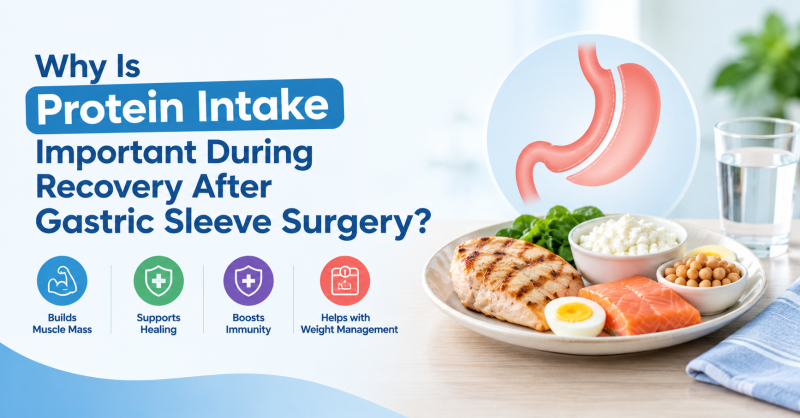
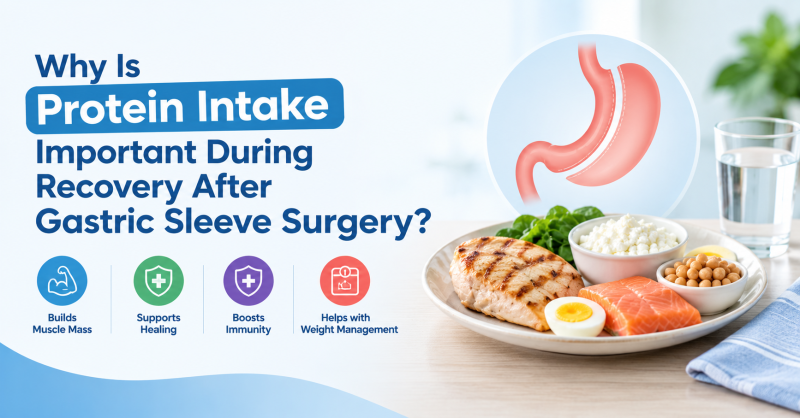
Why Is Protein Intake Important During Recovery After Gastric Sleeve Surgery?
 Rajan
Many patients planning gastric sleeve surgery in Sir Ganga Ram Hospital focus on the operation itself: the procedure, the hospital stay and how much weight they might lose. What happens in the weeks and months afterwards matters just as much, and protein is at the centre of it.
After a sleeve gastrectomy, roughly 75–80% of the stomach is removed, so you can eat far less at one time. That makes every bite count. This article explains why protein is so important during recovery, how much you may need and how to reach your target in an Indian diet.
What Happens to Your Body After Gastric Sleeve Surgery?
Your reduced stomach holds only a small amount of food, and appetite signals change. You lose weight quickly, which is the goal, but rapid weight loss can also break down muscle if the body does not get enough protein. Protein is the nutrient that protects lean tissue while fat is lost.
Why Protein Matters So Much in Recovery
1. It Helps Wounds and Staple Lines Heal
The surgical staple line and incisions need protein to rebuild tissue. Low protein intake can slow healing and weaken your body’s ability to recover from the operation.
2. It Preserves Muscle Mass
When calorie intake drops sharply, the body can draw on muscle for energy. Losing muscle lowers your metabolism, reduces strength and can make long-term weight maintenance harder. Adequate protein, along with gentle activity, helps you lose fat rather than muscle.
3. It Reduces Hair Thinning
Temporary hair shedding is common three to six months after weight loss surgery. Inadequate protein, along with low iron, zinc or biotin, can make it worse. Good protein intake will not always prevent it, but it helps hair regrow.
4. It Keeps You Fuller and More Energetic
Protein is the most satiating nutrient. It helps control hunger, steadies energy levels and reduces the urge to snack on sugary foods that can cause discomfort after surgery.
5. It Supports Immunity and Overall Health
Antibodies, enzymes and hormones are all built from protein. A well-nourished body fights infection better and recovers more smoothly.
How Much Protein Do You Need?
Targets vary by person, but bariatric guidelines commonly suggest a minimum of about 60 grams of protein a day, and some patients are advised 60–80 grams or more depending on body size, activity and kidney health. Your surgeon or dietitian will set a number for you. Do not self-adjust if you have kidney or liver disease.
Most patients struggle to reach this goal in the early weeks because portions are tiny. That is why planning matters.
A Typical Recovery Diet Progression
The exact schedule depends on your team, but a common pattern is:
- Clear liquids: the first few days
- Full liquids and protein shakes: about week 1–2
- Pureed foods: about week 2–4
- Soft foods: about week 4–6
- Regular, well-chewed foods: from about week 6–8 onward
Follow your own team’s timeline, since it depends on how you are healing.
Good Protein Sources for Indian Patients
- Non-vegetarian: eggs, fish, skinless chicken, lean mutton
- Vegetarian: low-fat paneer, tofu, dal and moong (blended or soft in early stages), curd, chaas, soya
- Supplements: whey or plant-based protein isolates, if your dietitian recommends them
Practical Tips to Meet Your Protein Goal
- Eat protein first at every meal, then vegetables, then carbohydrates.
- Have 5–6 small meals instead of 2–3 large ones.
- Sip fluids between meals rather than with them, aiming for about 1.5–2 litres a day unless advised otherwise.
- Chew thoroughly and eat slowly to avoid vomiting or discomfort.
- Use protein shakes during the early liquid stage to bridge the gap.
- Track your daily protein for the first few months.
- Take prescribed multivitamin, calcium, vitamin D and B12 supplements.
Warning Signs of Low Protein
Contact your team if you notice:
- Persistent fatigue or weakness
- Swelling in the feet or legs
- Excessive hair loss or brittle nails
- Slow wound healing
- Constant dizziness or muscle cramps
Choosing the Right Surgical Team
Patients often search for the best gastric sleeve surgery in Central Delhi or the best gastric sleeve surgeon in Rajinder Nagar, but the ideal choice is a team that supports you after surgery as carefully as during it. Look for structured follow-up, dietitian involvement and clear guidance on protein, hydration and supplements.
Surgeon training and hospital infrastructure matter too. For instance, Dr. Tarun Mittal is a laparoscopic, bariatric and robotic surgeon with fellowships in minimal access, bariatric, colorectal and robotic surgery, and he practises at Sir Ganga Ram Hospital, Sir Ganga Ram Hospital Marg, Old Rajinder Nagar, New Delhi – 110060. Whoever you consult, ask what your post-operative nutrition plan will be before you commit.
Conclusion
Protein is not a side detail of recovery. It supports healing, protects muscle, helps manage hunger and reduces complications. Planning your meals around protein from day one gives your body the best chance of a safe recovery and lasting results.
If you are considering gastric sleeve surgery in Sir Ganga Ram Hospital or elsewhere, ask about nutrition support before and after the operation. A team that guides you through every stage, and a patient who follows the plan, make the strongest combination for long-term success.
Disclaimer: This article is for general information only and is not a substitute for personalised medical advice. Always follow the guidance of your surgeon and dietitian.
Frequently Asked Questions
1. How much protein should I eat after gastric sleeve surgery?
Many programmes recommend at least 60 grams a day, though your target may be higher. Your bariatric team will personalise it.
2. What if I cannot reach my protein goal in the first weeks?
This is common. Protein shakes, soft protein foods and small frequent meals can help. Tell your team if you are consistently falling short.
3. Can vegetarians get enough protein after sleeve surgery?
Yes, with planning. Paneer, dal, curd, tofu, soya and protein supplements can cover needs, and a dietitian can build a suitable plan.
4. Will hair loss happen even if I eat enough protein?
It can. Rapid weight loss itself triggers temporary shedding in many patients. Adequate protein and micronutrients support regrowth, which usually happens within several months.
5. Do I need protein supplements permanently?
Not always. Many people rely on shakes early on and later meet their needs through food. Your dietitian will guide you.
Source:
Click for the: Full Story
You might like

You Might Like this