Close Menu
 World
World
 Biography
 Health
 Education
 Business
 Lifestyle
 Sports
 Technology
 Animals
 History
 Food
Food
 Religious
 Startups
 Movies
 Politics
 Fashion
 Covid
Covid
 Diet
Diet
 Fitness
 Marketing
 Travel
 Science
 Reviews
 Social media
 Stories
 Facts
Facts
 Art
Art
 Entertainment
Hemant Code brew

Business
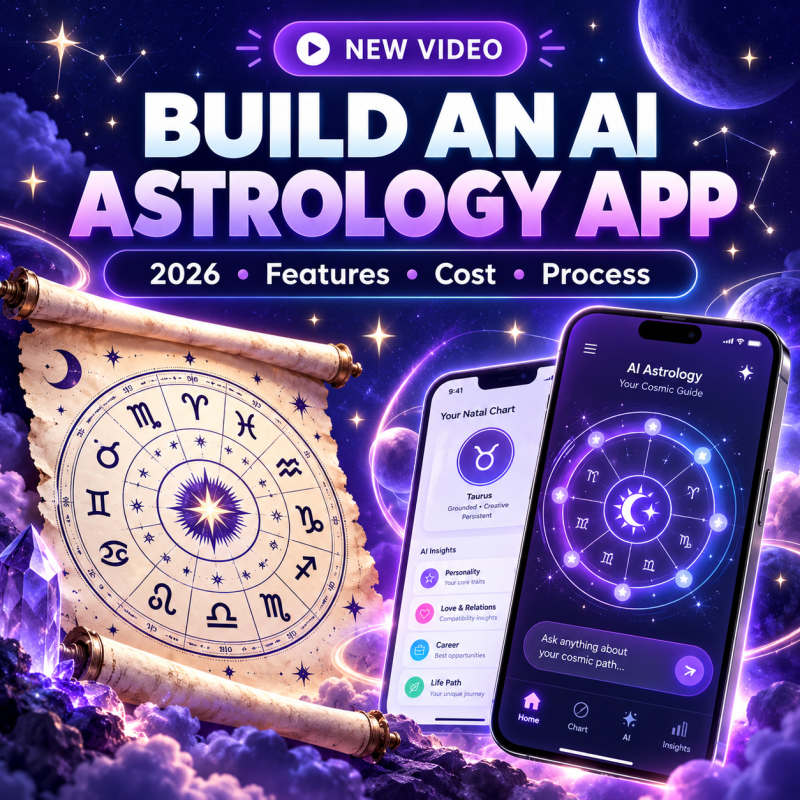
How to Create an AI Astrology App in 2026: Features, Tech Stack & Cost
 Hemant Code brew
Astrology apps have evolved far beyond basic daily horoscope platforms. In 2026, users expect personalized insights, AI-powered conversations, birth chart analysis, compatibility reports, live astrologer consultations, multilingual experiences, and intelligent recommendations inside one seamless digital platform.
For startups, astrology businesses, spiritual wellness brands, and entrepreneurs, this creates a strong opportunity to build AI Astrology App solutions that combine traditional astrology services with modern artificial intelligence, automation, and mobile-first user experiences.
In this guide, we explain how to build an AI-powered astrology app in 2026, which features matter most, how AI can improve the experience, what affects development cost, and how businesses can approach the complete development process from idea to launch.
Why AI Astrology Apps Are Growing in 2026
Modern users want more personalized digital experiences.
Instead of reading the same generic horoscope as thousands of other users, people increasingly expect astrology platforms to understand their profile, birth details, preferences, questions, and previous interactions.
This is where AI can add significant value.
An AI-powered astrology platform can combine user information with astrology-related systems to deliver more personalized experiences, such as:
- Daily horoscope insights
- Birth chart explanations
- Personalized astrology reports
- Compatibility analysis
- AI astrology chat
- Relationship insights
- Career-focused readings
- Transit-based notifications
- Live astrologer consultations
- Personalized content recommendations
A well-designed app can make astrology services more accessible while helping businesses provide a consistent user experience at scale.
What Is an AI Astrology App?
An AI astrology app is a digital platform that combines astrology-related features with artificial intelligence and automation.
Traditional astrology apps may rely on fixed horoscope content, static reports, or live consultations.
An AI-powered platform can go further by helping users ask questions naturally, understand complicated astrology information, receive customized explanations, and navigate their personal reports more easily.
For example, instead of manually searching through multiple sections, a user may ask:
“Why am I feeling more stressed about my career this month?”
The AI assistant can then provide a personalized explanation based on the astrology data available within the app.
The goal is not simply to add a chatbot. The AI should improve the overall product experience.
Key Features to Include When You Build AI Astrology App
Businesses planning to build AI Astrology App platforms should first define the most important features for their target users.
Below are some of the most useful features to consider.
User Registration and Profile Setup
Users should be able to create an account using email, mobile number, social login, or other convenient options.
The onboarding process may collect information such as:
- Name
- Date of birth
- Time of birth
- Place of birth
- Preferred language
- Interests
- Relationship status
- Astrology preferences
This information can be used to personalize the experience.
Birth Chart Generation
Birth chart generation is one of the core features of many astrology platforms.
The system can generate a chart based on:
- Date of birth
- Time of birth
- Birth location
The app can then provide chart-related information in a clear and visually understandable format.
A good user experience is important here because traditional astrology charts can appear complicated to new users.
AI Astrology Chat
AI chat can become one of the most engaging features in a modern astrology application.
Users can ask natural questions such as:
- What does my chart say about my career?
- How compatible am I with my partner?
- What should I focus on this month?
- Why do certain personality traits appear in my chart?
The AI can provide responses using information available within the platform.
For businesses, this can make astrology services available instantly without requiring a live astrologer for every basic interaction.
Personalized Daily Horoscope
Generic daily horoscopes are common, but personalized content can create a more valuable experience.
An AI-powered astrology app can provide daily insights based on the user's profile and stored astrology data.
Content may include:
- Daily overview
- Career insights
- Relationship insights
- Wellness guidance
- Financial themes
- Important dates
- Daily recommendations
Personalization can also improve user retention because users have more reasons to return regularly.
Compatibility Reports
Compatibility tools are popular in astrology apps.
Users may compare their profile with:
- Partners
- Friends
- Family members
- Potential matches
The app can provide compatibility insights using astrology-related data.
A strong interface can make these reports visual and easy to understand.
AI-Generated Astrology Reports
Long astrology reports can be difficult to read.
AI can help summarize and explain reports in simpler language.
For example, a platform may generate:
- Birth chart report
- Career report
- Relationship report
- Compatibility report
- Monthly forecast
- Yearly forecast
AI can then convert technical terminology into user-friendly explanations.
Live Astrologer Consultation
Many astrology businesses combine automated services with human consultations.
The app can allow users to:
- Browse astrologers
- View profiles
- Check expertise
- See availability
- Book consultations
- Start voice calls
- Start video calls
- Chat with astrologers
This creates a hybrid experience where AI handles general guidance while human experts provide deeper consultations.
Voice and Video Calling
If consultations are part of the business model, voice and video calling can be integrated directly into the app.
Important features may include:
- Call scheduling
- Real-time calling
- Session timer
- Consultation history
- Call reminders
- Payment integration
A smooth consultation experience can significantly improve user trust.
Multilingual Support
Astrology has a global audience.
Supporting multiple languages can help a platform reach more users.
AI can also assist with translation and localized content.
For example, an app may support:
- English
- Hindi
- Spanish
- Arabic
- French
- Regional languages
Localization should include more than translation. The platform should also adapt content and user experience based on the target market.
Push Notifications
Notifications can encourage users to return to the app.
Useful notifications may include:
- Daily horoscope updates
- Transit alerts
- New reports
- Consultation reminders
- Personalized insights
- Upcoming astrology events
Notifications should remain relevant and not become excessive.
AI Recommendation Engine
AI can help recommend content based on user behavior.
For example, if a user frequently explores relationship content, the app may recommend:
- Compatibility reports
- Relationship readings
- Relevant astrologers
- Related articles
- Personalized insights
This can improve discovery across the platform.
How AI Can Improve an Astrology Platform
AI can support several parts of the user journey.
Natural Language Conversations
One of the biggest benefits of AI is that users do not need to understand complex astrology terminology.
They can simply ask questions in normal language.
The system can then translate astrology-related information into easy-to-understand responses.
Content Personalization
AI can personalize content based on:
- Birth information
- User interests
- Search history
- Previous consultations
- Favorite topics
- Engagement patterns
This creates a more relevant experience.
Automated Explanations
Complex birth chart data can be difficult for new users.
AI can explain:
- Houses
- Planets
- Signs
- Aspects
- Transits
- Compatibility indicators
This can make the platform more accessible.
Customer Support
AI chat assistants can also answer common support questions related to:
- Account access
- Payments
- Consultation bookings
- Subscription plans
- Report availability
- App navigation
This can reduce support workload.
Step-by-Step Development Process
If you want to build AI Astrology App platforms successfully, it helps to follow a structured process.
Step 1: Define Your Target Audience
Decide who the app is designed for.
Possible audiences include:
- Beginner astrology users
- Experienced astrology followers
- People looking for relationship insights
- Users seeking live consultations
- Spiritual wellness audiences
- Global astrology communities
Your target audience influences the product design and features.
Step 2: Define the Business Model
Before development begins, choose how the app will generate revenue.
Possible models include:
- Subscription plans
- Paid reports
- Paid consultations
- In-app purchases
- Premium AI chat
- One-time purchases
- Freemium access
A clear business model helps define the product roadmap.
Step 3: Create the MVP
Instead of building every possible feature at launch, start with an MVP.
A basic AI astrology MVP may include:
- User registration
- Birth details
- Birth chart generation
- Daily horoscope
- AI chat
- Basic reports
- Payment integration
- Admin dashboard
Later, additional features can be introduced based on user feedback.
Step 4: Design the User Experience
Astrology products can contain a lot of complex information.
The interface should therefore remain simple and visually clear.
Important screens may include:
- Home screen
- Birth chart
- AI chat
- Daily horoscope
- Reports
- Compatibility
- Astrologer profiles
- Booking
- User profile
A modern astrology app should feel calming, trustworthy, and easy to navigate.
Step 5: Choose the Technology Stack
Technology decisions depend on the scale and requirements of the project.
A typical platform may require:
- Mobile app frontend
- Web platform
- Backend APIs
- Database
- Cloud infrastructure
- Authentication
- Payment gateway
- Video calling APIs
- Push notification services
- AI model integration
- Astrology calculation engine
The technical architecture should be scalable if the platform is expected to grow.
Step 6: Integrate Astrology Logic
The astrology engine handles chart calculations and related data.
This may include:
- Birth chart calculations
- Zodiac information
- Planetary positions
- House calculations
- Compatibility data
- Transit information
Accuracy and consistency are important when displaying astrology-related results.
Step 7: Integrate AI
AI can then be added to enhance the existing astrology functionality.
Possible integrations include:
- AI chat
- Report summarization
- Content personalization
- Natural language search
- Recommendation systems
- Multilingual responses
- Customer support automation
The AI should be grounded in the app's own data and astrology framework wherever possible.
Step 8: Add Payment Features
If the platform includes premium services, integrate secure payments.
Users may pay for:
- Subscriptions
- Individual reports
- AI chat credits
- Astrologer consultations
- Premium predictions
Payment flows should be simple and transparent.
Step 9: Test the Application
Testing should include:
- Account creation
- Birth data entry
- Chart calculations
- AI responses
- Payments
- Video calls
- Notifications
- Performance
- User permissions
- Device compatibility
Testing AI responses is especially important to ensure consistent and appropriate output.
Step 10: Launch and Optimize
Once launched, monitor how users interact with the app.
Important metrics may include:
- Registrations
- Daily active users
- Chat sessions
- Report purchases
- Consultation bookings
- Subscription conversions
- User retention
- Most viewed content
These insights can guide future improvements.
How Much Does It Cost to Build an AI Astrology App?
The cost to build AI Astrology App solutions varies depending on the project scope.
There is no fixed price because different apps require different levels of complexity.
Several factors influence development cost.
App Complexity
A simple horoscope app will cost less than a complete platform with:
- AI chat
- Birth chart engine
- Live astrologers
- Video consultations
- Payments
- Multiple languages
- Advanced analytics
Number of Platforms
Development cost can increase if the product includes:
- iOS app
- Android app
- Web platform
- Astrologer dashboard
- Admin panel
AI Integration
AI-related costs depend on:
- Number of users
- Number of AI requests
- Model selection
- Custom workflows
- Data processing
- Personalization requirements
Third-Party Integrations
Common integrations may include:
- Payment gateways
- Video calling
- Notifications
- Analytics
- Authentication
- Maps
- Messaging services
Each integration adds development time.
UI/UX Complexity
Custom animations, interactive charts, visual birth maps, and premium interfaces can increase design and development effort.
Monetization Models for an AI Astrology App
A strong monetization strategy can help turn the platform into a sustainable business.
Subscription Plans
Users may pay monthly or annually for premium access.
Plans could include:
- Unlimited horoscope insights
- Advanced reports
- Premium AI chat
- Compatibility features
- Exclusive content
Paid Consultations
Users can pay for live sessions with astrologers.
The platform can charge a commission on each consultation.
Paid Reports
Users can purchase individual reports such as:
- Career report
- Marriage report
- Relationship report
- Yearly forecast
- Compatibility report
AI Chat Credits
Some platforms may offer limited free AI messages and charge for additional usage.
Freemium Model
Basic features can remain free while advanced tools are available through premium plans.
Challenges When Building an AI Astrology App
There are several challenges businesses should consider.
AI Response Quality
AI-generated responses must remain consistent with the information available in the user's profile and the app's astrology engine.
User Trust
Astrology platforms deal with personal information.
Users should clearly understand how their data is handled.
Strong privacy and security practices are important.
Complex Astrology Information
Astrology terminology can be difficult for beginners.
The application should simplify complex information without making the interface overwhelming.
Retention
Many users download astrology apps but do not use them regularly.
Daily personalized content, relevant notifications, and AI chat can help improve retention.
Scaling Live Consultations
If thousands of users want consultations, the platform needs systems for:
- Astrologer availability
- Scheduling
- Payments
- Queue management
- Session history
The Future of AI Astrology Apps
AI astrology platforms are likely to become more conversational and personalized.
Instead of navigating through several menus, users may simply ask:
“What does this month look like for my career?”
The app could respond using their profile, explain relevant astrology information, recommend related reports, and even suggest a consultation if required.
Future astrology apps may combine:
- AI assistants
- Personalized dashboards
- Voice interaction
- Live consultations
- Multilingual AI
- Smart recommendations
- Interactive charts
- Predictive notifications
The strongest products will likely focus on making astrology easier to understand rather than simply adding more features.
Final Thoughts
Building an AI-powered astrology platform in 2026 requires a balance between astrology functionality, artificial intelligence, user experience, and business strategy.
If you plan to build AI Astrology App solutions, start by identifying the core problem you want to solve.
A successful app does not need every feature on day one.
Start with a focused MVP, validate it with users, and then expand into AI chat, personalized reports, consultations, multilingual experiences, and advanced recommendation systems.
AI can make astrology platforms more accessible, conversational, and personalized, but the overall experience still depends on good product design, clear information, reliable technology, and user trust.
Watch the Full Video for a Step-by-Step Breakdown of AI Astrology App Development in 2026 : https://youtu.be/7MT1l17zJNs?si=jD-Bm-l1lz9PbG7_
Source:
Click for the: Full Story
You might like