Close Menu
 World
World
 Biography
 Health
 Education
 Business
 Lifestyle
 Sports
 Technology
 Animals
 History
 Food
Food
 Religious
 Startups
 Movies
 Politics
 Fashion
 Covid
Covid
 Diet
Diet
 Fitness
 Marketing
 Travel
 Science
 Reviews
 Social media
 Stories
 Facts
Facts
 Art
Art
 Entertainment
KS Udayog

Business
Rug Manufacturers and Exporters | Wholesale & Custom Rugs
 KS Udayog
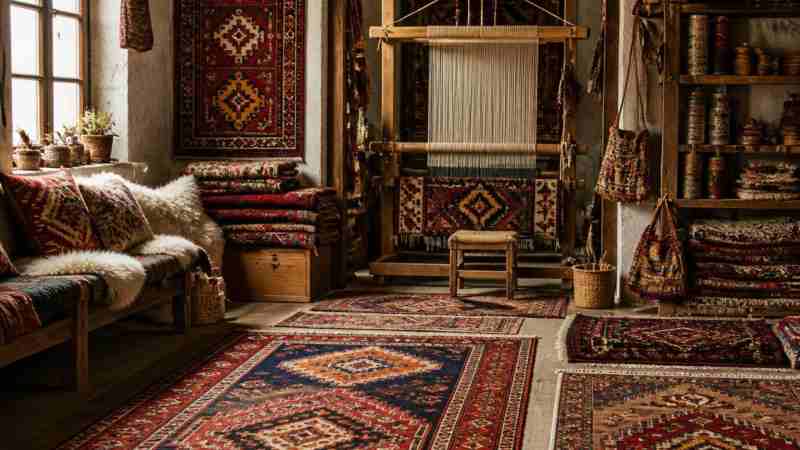
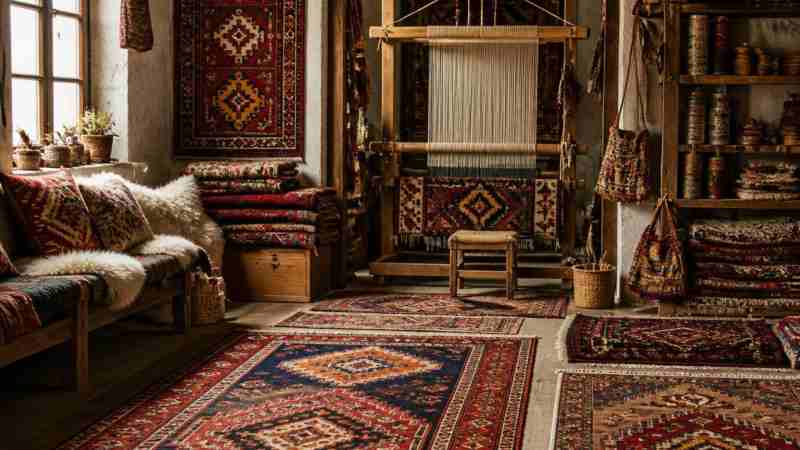
Rugs are more than floor coverings. They set the mood of a room and add warmth and reflect personal style. For retailers and interior designers and hospitality projects the right supplier makes a huge difference to product quality and delivery time. This is why choosing among reliable rug manufacturers is one of the most important steps in any bulk buying plan. A poor choice can lead to color mismatch and late shipments and unhappy customers. In this guide you will learn about rug types and materials and customization options and the checks that help you find a trustworthy partner.
Popular Types of Rugs Available for Wholesale
Buyers usually choose from three main categories. Hand knotted rugs are made by tying individual knots on a loom and they are known for durability and fine detail. Hand tufted rugs are made with a tufting gun and offer a faster and more affordable option with plush texture. Machine made rugs are produced on power looms and suit large orders with consistent patterns. Flat weave rugs and dhurries are also popular for casual spaces. There are many patterns available in each category so start with a clear brief.
Materials That Define Rug Quality
Material affects look and feel and lifespan. Wool is the classic choice because it is soft and resilient and naturally stain resistant. Cotton works well for flat weaves and washable designs. Jute and sisal bring a natural textured look that suits modern interiors. Viscose adds a silky shine but needs gentle care. Synthetic fibers like polyester and polypropylene offer low cost and easy cleaning for high traffic areas.
Custom Rugs and Private Label Options
Many buyers want products that stand out from the competition. Custom rug programs let you choose size and color and pattern and pile height. You can also send your own artwork and ask the factory to match it closely. Private label services add your brand tag and packaging so the rugs fit your store identity. Manufacturers usually create a sample first for approval. Always review the sample under natural light since colors can look different on screen.
How to Choose Reliable Rug Manufacturers
Not every supplier delivers the same standard so careful research pays off. When comparing rug manufacturers look at their production capacity and years in business and export experience. Ask for recent samples and photos of finished orders. Visit the factory or request a video tour if travel is not possible.
Quality control is another key factor. A dependable team checks raw material before weaving and inspects rugs for size and color and finishes before packing. Companies such as KS Udayog follow structured inspection steps so buyers receive consistent products across repeat orders.
Also confirm minimum order quantity and lead time and payment terms. Clear answers to these questions show that the supplier is organized and serious about long term business.
Pricing Factors for Bulk Rug Orders
Prices depend on several elements. Material and knot density and design complexity all influence cost. Larger sizes need more yarn and more labor. Custom colors may require special dyeing which adds to the total. Order volume also matters because higher quantities usually bring better unit rates. Compare quotes on the same specifications and not on price alone.
Packaging and Shipping Considerations
Rugs are heavy and bulky so packing needs care. Good exporters roll each piece tightly and wrap it in plastic to protect against moisture. Bales or cartons are then labeled clearly for easy sorting at the warehouse. Ask about shipping methods and estimated transit time and insurance options. Sea freight is common for large orders while air freight suits urgent samples. Confirm who handles customs paperwork so there are no delays at the port.
Common Mistakes Buyers Should Avoid
Some errors happen again and again in wholesale rug trade. Buyers skip sample approval and then face color issues in the final batch. Others ignore quality checks and receive uneven sizes. Many buyers focus only on price and overlook delivery records. Not agreeing on a written specification is another risk. Keep every detail documented so both sides share the same expectation.
Final Thoughts
Finding the right supplier takes time but the effort pays back through better quality and smoother deliveries. Understand rug types and materials and customization choices before you contact anyone. Then evaluate rug manufacturers based on quality control and communication and delivery record. Start with a small trial order and build the relationship step by step. With the right partner your rug collection can grow with confidence and meet the expectations of every customer.
Source:
Click for the: Full Story
You might like