Close Menu
 World
World
 Biography
 Health
 Education
 Business
 Lifestyle
 Sports
 Technology
 Animals
 History
 Food
Food
 Religious
 Startups
 Movies
 Politics
 Fashion
 Covid
Covid
 Diet
Diet
 Fitness
 Marketing
 Travel
 Science
 Reviews
 Social media
 Stories
 Facts
Facts
 Art
Art
 Entertainment
Henry william

Health
Managing Regurgitation and Achalasia Remedies for Better Eating Habits
 Henry william
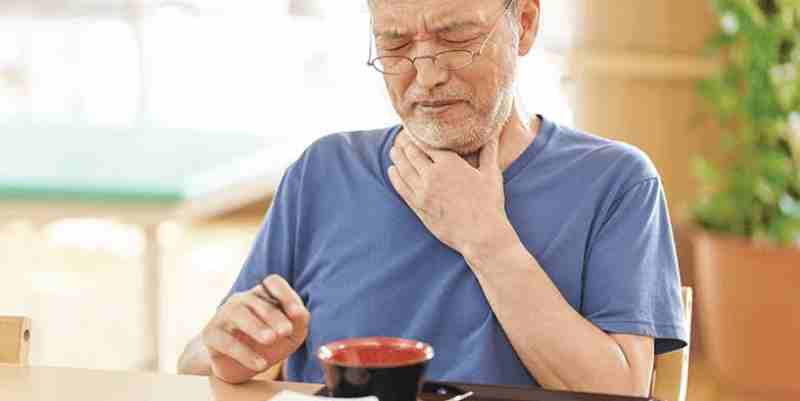
Managing Regurgitation in Achalasia requires a clear understanding of how swallowing works, why food returns to the mouth, and which daily habits can make eating more comfortable. Achalasia is an uncommon oesophageal disorder that affects the movement of food from the mouth towards the stomach. When the muscles of the oesophagus fail to move food effectively and the lower oesophageal sphincter does not relax properly, swallowed food and liquids may collect in the oesophagus.
Regurgitation can occur when retained food or liquid travels back towards the throat without the forceful contractions associated with vomiting. This may cause discomfort during meals, disturb sleep, and make people anxious about eating. Although lifestyle changes cannot cure achalasia, practical eating strategies and appropriate medical treatment can help reduce symptoms and support better nutrition.
What Causes Regurgitation in Achalasia?
The oesophagus is a muscular tube that transports swallowed food into the stomach. Normally, coordinated muscular contractions push food downwards while the lower oesophageal sphincter relaxes to allow passage. In achalasia, these coordinated movements become impaired, and the sphincter may remain too tight.
Consequently, food and liquid can remain inside the oesophagus for an extended period. As the oesophagus fills, its contents may return to the mouth, particularly when a person bends forward or lies down. Regurgitation may involve undigested food, saliva, or fluid consumed earlier.
Unlike ordinary acid reflux, achalasia-related regurgitation does not always result from stomach acid moving upwards. However, reflux can also develop, particularly after certain treatments. Identifying the cause of symptoms helps healthcare professionals recommend suitable management.
Common Symptoms to Recognise
People with achalasia may experience several symptoms, including:
- Difficulty swallowing solid food, liquids, or both.
- Food sticking behind the breastbone.
- Regurgitation of undigested food or saliva.
- Chest discomfort or pressure after eating.
- Coughing, choking, or a sensation of fluid entering the throat.
- Unintended weight loss or reduced appetite.
- Night-time coughing or disturbed sleep.
Symptoms vary between individuals. Some people experience occasional regurgitation, while others struggle with frequent episodes that interfere with daily activities. Persistent or worsening symptoms deserve medical assessment rather than relying on dietary changes alone.
Establish Better Eating Habits
Changing the way you eat can help manage discomfort and make meals more predictable. The aim is to support the movement of food through the oesophagus while reducing the amount retained after eating.
Eat Smaller, More Frequent Meals
Large meals place more food into an oesophagus that already struggles to empty efficiently. Eating smaller portions may reduce fullness and limit the amount of material available to return towards the throat.
Instead of three large meals, consider several smaller meals throughout the day. Eat slowly, pause between mouthfuls, and stop when you begin to feel uncomfortable. Avoid forcing yourself to finish a portion when swallowing becomes difficult.
Regular meal times may also help you recognise which foods and portions are easiest to tolerate. Keep a simple food diary if symptoms vary considerably from one meal to another.
Chew Food Thoroughly
Careful chewing breaks food into smaller pieces, making it easier to swallow. Take manageable mouthfuls, chew until the food is soft, and swallow without rushing. Dry, tough, or stringy foods may be harder to tolerate, especially when swallowing difficulties are pronounced.
Soft foods such as porridge, yoghurt, mashed vegetables, scrambled eggs, and well-cooked grains may be easier for some people. However, individual tolerance differs. A food that feels comfortable for one person may cause difficulty for another.
If food repeatedly sticks or swallowing becomes painful, seek professional advice. Do not continue eating through significant discomfort or assume that extra chewing will resolve a narrowing or obstruction.
Choose Suitable Food Textures
Food consistency can influence comfort during meals. Moist, soft foods may be easier to manage than dry or crumbly options. Adding suitable sauces, broths, or gravies can soften meals when these additions are safe for your individual swallowing needs.
Consider limiting foods that repeatedly trigger symptoms, such as tough meat, dry bread, or fibrous vegetables. Avoid removing entire food groups without a good reason, as excessive restriction may lead to nutritional deficiencies.
A registered dietitian can help you select nourishing meals that match your swallowing ability, energy requirements, and personal preferences.
Reduce Regurgitation After Meals
Eating habits matter after the last mouthful as much as they do during the meal. Positioning and timing can influence whether retained oesophageal contents move back towards the throat.
Remain Upright After Eating
Stay seated or standing upright after meals instead of lying flat immediately. Remaining upright for two to three hours before going to bed may help reduce night-time regurgitation for some people.
If bending forward triggers symptoms, avoid deep bending directly after eating. When resting, choose a comfortable position that does not increase pressure or provoke regurgitation.
These measures may improve comfort, but they cannot correct the underlying failure of the oesophagus to move food effectively.
Adjust Your Evening Routine
Night-time regurgitation can disturb sleep and may increase the risk of inhaling food or fluid into the airways. Try to finish your evening meal well before bedtime and avoid large portions late at night.
If symptoms occur while sleeping, discuss suitable positioning with your healthcare professional. Elevating the head of the bed may help some people, although it does not treat the underlying motility problem.
Repeated night-time coughing, choking, fever, or breathing difficulties require prompt medical attention, particularly when food or liquid may have entered the lungs.
Manage Fluids Carefully
Drinking water with meals may help some people swallow food more comfortably, but it does not work equally well for everyone. Small sips may be easier to manage than drinking a large glass quickly.
Pay attention to whether liquids pass comfortably or seem to collect in the chest. Some people with achalasia struggle with thin liquids as well as solid foods. If drinking causes coughing, choking, or repeated regurgitation, seek advice about swallowing safety rather than increasing fluid intake without guidance.
Maintain hydration throughout the day using fluids you can swallow safely. Signs of dehydration can include a dry mouth, dark urine, dizziness, and passing urine less frequently than usual. Severe swallowing difficulties or an inability to keep fluids down require urgent assessment.
Support Nutrition and Healthy Weight
Repeated regurgitation and swallowing difficulties can make it difficult to consume enough calories, protein, vitamins, and minerals. Over time, inadequate intake may lead to weakness, fatigue, and unintended weight loss.
Choose nutrient-rich foods that you can tolerate comfortably. Depending on your needs, these may include eggs, yoghurt, smooth nut butter, soft fish, lentil purée, or fortified porridge. Adapt textures carefully and avoid foods that create a choking risk.
If ordinary meals become difficult, a dietitian may recommend suitable nutritional drinks or modified meal plans. Do not rely on supplements as a replacement for investigating persistent swallowing problems.
Monitor changes in body weight and appetite. Unexplained weight loss, worsening weakness, or difficulty meeting basic nutritional needs should prompt medical review.
Can Natural Approaches Help?
Some people explore Natural Remedies for Achalasia because they want additional ways to feel comfortable during meals. Supportive approaches may include relaxation techniques, careful meal planning, adequate rest, and reducing stress associated with eating.
Stress management can improve the overall mealtime experience, particularly when symptoms have made eating frightening or exhausting. Gentle breathing exercises may help you relax before meals, but they do not open the lower oesophageal sphincter or restore normal oesophageal contractions.
Be cautious about claims that herbs, teas, or special diets can reverse achalasia. There is insufficient reliable evidence that home-based natural treatments can correct the condition. Discuss supplements with a healthcare professional, especially if you take prescription medicines or have other medical conditions.
Home Care and Symptom Tracking
Useful Home Remedies for Achalasia focus on comfort, safety, and nutrition rather than promising a cure. Keeping a record of symptoms can help identify patterns and provide useful information during medical appointments.
Record the following details:
- Foods and drinks consumed.
- Portion sizes and meal times.
- Episodes of regurgitation or swallowing difficulty.
- Symptoms experienced while lying down or sleeping.
- Changes in weight, appetite, and hydration.
Review this information with your clinician to identify practical adjustments. Avoid using unproven remedies to delay assessment or prescribed treatment.
Medical Treatments That Address the Cause
Lifestyle adjustments can reduce some difficulties, but achalasia often requires medical treatment to improve the passage of food into the stomach. A gastroenterologist can assess symptom severity, investigate complications, and discuss appropriate options.
Diagnostic Tests
Doctors may use oesophageal manometry to measure muscle contractions and sphincter relaxation. An upper gastrointestinal endoscopy can help examine the oesophagus and exclude other causes of swallowing difficulty. A timed barium swallow may show how effectively the oesophagus empties.
These investigations help establish the diagnosis and guide treatment decisions. The appropriate tests depend on symptoms, medical history, and previous results.
Treatment Options
Treatment aims to reduce resistance at the lower oesophageal sphincter. Options may include:
- Pneumatic dilation: A balloon is used to stretch the sphincter.
- Heller myotomy: Surgery divides selected muscle fibres to improve passage.
- Peroral endoscopic myotomy (POEM): An endoscopic procedure cuts targeted muscle fibres.
- Botulinum toxin injection: This may temporarily relax the sphincter, particularly for people unsuitable for more durable procedures.
- Medication: Selected medicines may provide temporary relief in specific circumstances, although their benefits are often limited.
Each option has potential benefits, risks, and limitations. Your specialist can explain which treatment suits your age, overall health, achalasia type, and personal preferences.
Regurgitation may continue after treatment if the oesophagus empties incompletely or becomes enlarged. Some people also develop gastro-oesophageal reflux after procedures. Follow-up care remains important even when swallowing improves.
Herbal Products and Safety Considerations
People researching Herbal Care Products should distinguish between general wellness products and treatments supported by clinical evidence. No herbal preparation has been established as a cure for achalasia or as a reliable method of relaxing its dysfunctional sphincter.
Some products may contain ingredients that interact with medicines, irritate the digestive tract, or have uncertain quality. Product labels do not always provide enough information to establish safety, purity, or effectiveness.
Before using a supplement, share its full ingredient list with your doctor or pharmacist. Avoid products advertised as guaranteed cures, and do not stop prescribed treatment in favour of an unproven alternative.
A balanced diet and appropriate clinical care provide a safer foundation for managing symptoms than relying on unverified claims.
When to Seek Medical Help
Regurgitation deserves particular attention when it becomes frequent, painful, or associated with other concerning symptoms. Arrange a medical appointment if swallowing progressively worsens, meals take much longer than usual, or weight decreases without explanation.
Seek urgent medical care if you experience severe chest pain, breathing difficulty, choking that does not settle, or an inability to swallow saliva. These symptoms may indicate a serious problem requiring immediate assessment.
Fever, persistent cough, shortness of breath, or chest discomfort after suspected inhalation of food or fluid may indicate aspiration-related complications. Prompt evaluation is important because these complications can become serious.
Do not assume that every episode of chest pain comes from achalasia. Severe or new chest pain may have other causes, including heart problems, and needs appropriate assessment.
Build a Practical Daily Routine
A consistent routine can make eating feel more manageable without creating unnecessary restrictions. Start with a few achievable changes and adjust them according to your symptoms and clinical advice.
Before meals: Choose a calm setting, prepare suitable foods, and sit upright.
During meals: Take small mouthfuls, chew thoroughly, pause between bites, and drink only as safely tolerated.
After meals: Remain upright, avoid immediate bedtime, and note any symptoms that occur.
Throughout the day: Maintain hydration, eat enough nourishing food, and monitor changes in weight or swallowing.
During follow-up: Share your symptom diary, discuss treatment effectiveness, and report new or worsening problems.
Small adjustments may improve comfort, but persistent symptoms still require assessment. Your routine should support medical treatment rather than replace it.
Frequently Asked Questions
Why does food come back up in achalasia?
Food can remain in the oesophagus because its muscles do not move it effectively and the lower oesophageal sphincter fails to relax properly. Retained food and liquid may then return towards the mouth without forceful vomiting.
Which foods are easier to eat?
Soft, moist foods may be easier to swallow, but tolerance varies. Try suitable textures in small portions and seek dietetic advice if food restriction affects your nutrition.
Can drinking water stop regurgitation?
Small sips may help some people, but water cannot correct the underlying muscle dysfunction. If liquids cause choking, coughing, or regurgitation, obtain professional swallowing advice.
Can achalasia disappear without treatment?
Achalasia generally does not resolve on its own. Symptoms may fluctuate, but specialist assessment is important because untreated disease can affect nutrition and increase the risk of complications.
What is the most effective way to manage symptoms?
The best approach combines an individualised medical treatment plan with safe eating habits, appropriate nutrition, and regular follow-up. No single dietary change works for everyone.
Conclusion
Managing Regurgitation in Achalasia involves recognising the cause of symptoms, adapting meals, maintaining nutrition, and seeking appropriate medical care. Smaller portions, thorough chewing, suitable food textures, and remaining upright after eating may improve daily comfort. However, these measures cannot restore normal oesophageal movement or replace specialist treatment.
Pay attention to worsening swallowing difficulties, dehydration, weight loss, and night-time respiratory symptoms. Work with a gastroenterologist and dietitian to develop a plan that meets your needs. With informed decisions, practical habits, and appropriate follow-up, you can make eating safer and more comfortable while addressing the underlying condition.
Source:
Click for the: Full Story
You might like