



 Close Menu
 World
World
 Biography
 Health
 Education
 Business
 Lifestyle
 Sports
 Technology
 Animals
 History
 Food
Food
 Religious
 Startups
 Movies
 Politics
 Fashion
 Covid
Covid
 Diet
Diet
 Fitness
 Marketing
 Travel
 Science
 Reviews
 Social media
 Stories
 Facts
Facts
 Art
Art
 Entertainment
Henry william

Health
Natural Skincare Secrets: 12 Ways to Keep Your Skin Looking Fresh and Healthy
 Henry william
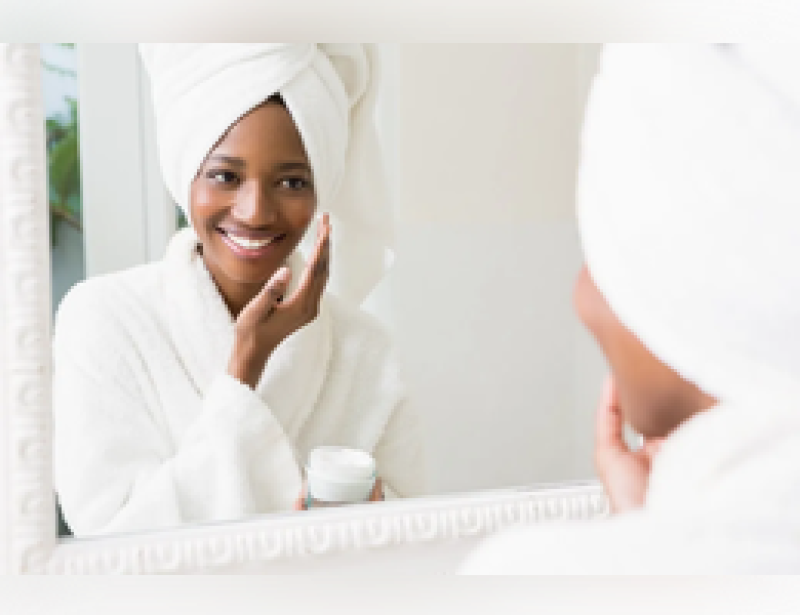
Healthy, fresh-looking skin begins with consistent care, balanced habits, and products that suit your individual needs. These Natural Skincare Secrets can help you build a practical routine that supports hydration, protects your skin barrier, and improves the appearance of your complexion without relying on an overwhelming number of products.
Your skin changes with age, weather, hormones, stress, and daily environmental exposure. Dryness, uneven texture, dullness, and occasional irritation can affect almost anyone. Fortunately, simple habits such as gentle cleansing, moisturising, eating a balanced diet, and using sunscreen can make a meaningful difference over time.
Natural skincare does not mean that every plant-based ingredient is safe or that expensive products are necessary. The best approach combines evidence-informed skincare practices with realistic expectations. By learning what your skin needs and avoiding common mistakes, you can create a routine that feels comfortable, affordable, and easy to maintain.
This guide explores 12 practical ways to keep your skin looking fresh and healthy, explains which ingredients may help, and highlights when professional advice is important.
Why Natural Skincare Matters
Your skin acts as a protective barrier between your body and the outside environment. It helps regulate water loss and protects against many external irritants. When this barrier becomes weakened, your skin may feel tight, flaky, itchy, or unusually sensitive.
Daily skincare supports this protective function. Gentle products remove unwanted buildup, moisturisers help maintain hydration, and sunscreen reduces damage caused by ultraviolet radiation.
A healthy complexion also depends on factors beyond topical products. Sleep, nutrition, stress management, smoking habits, and environmental exposure can influence how your skin looks and feels.
The goal is not to achieve flawless skin. It is to maintain comfort, protect against preventable damage, and address individual concerns with safe, consistent care.
12 Natural Skincare Secrets for a Fresh, Healthy Complexion
1. Cleanse Your Face Gently Every Day
Cleansing removes sweat, excess oil, sunscreen, makeup, and environmental impurities. However, washing too frequently or using harsh cleansers can strip away protective oils and leave your skin uncomfortable.
Choose a mild, fragrance-free cleanser suited to your skin type. Use lukewarm water rather than hot water, massage gently with your fingertips, and rinse thoroughly. Pat your face dry instead of rubbing it with a towel.
Most people benefit from cleansing in the evening and cleansing or rinsing in the morning according to their skin's needs. If your skin is dry or sensitive, avoid abrasive scrubs and products that leave it feeling tight.
One of the most practical Natural Skincare Secrets is to cleanse consistently without trying to make your skin feel unusually squeaky clean. Comfortable skin is a better goal than removing every trace of natural oil.
2. Moisturise to Protect Your Skin Barrier
Moisturising helps reduce water loss and keeps the outer skin layer soft and flexible. Even oily skin can become dehydrated, so skipping moisturiser is not always the best approach.
Look for products containing ingredients such as:
- Glycerin: Attracts water to the outer skin layer.
- Ceramides: Help support the skin's protective barrier.
- Hyaluronic acid: Helps retain moisture.
- Squalane: Softens skin and helps limit moisture loss.
Apply moisturiser after washing while your skin is slightly damp. Choose a lightweight lotion if your skin feels oily or a richer cream if it becomes dry and flaky.
Natural Skincare Secrets are most useful when they support your skin's actual needs rather than encourage unnecessary purchases. A simple, well-tolerated moisturiser may be more beneficial than several products that cause irritation.
3. Make Sunscreen a Daily Habit
Sun protection is essential for maintaining healthy-looking skin. Ultraviolet radiation contributes to premature ageing, uneven pigmentation, wrinkles, and skin cancer.
Use a broad-spectrum sunscreen with SPF 30 or higher on exposed skin. Apply it to your face, neck, ears, and hands, and reapply approximately every two hours outdoors or after swimming and sweating, following the product directions.
Additional protection includes wearing a wide-brimmed hat, choosing shade, and using protective clothing. Remember that ultraviolet rays can reach your skin on cloudy days.
Mineral sunscreens containing zinc oxide or titanium dioxide may suit people who prefer mineral-based formulations. However, the most suitable sunscreen is one you tolerate well and apply consistently.
No oil, homemade mixture, or botanical extract provides a reliable substitute for tested sunscreen. Natural Skincare Secrets should always prioritise proven protection over unverified claims.
4. Eat a Balanced, Skin-Supporting Diet
Your skin needs nutrients to maintain its normal structure and function. A varied diet provides vitamins, minerals, protein, and healthy fats that support general health.
Include colourful vegetables, fruit, whole grains, beans, nuts, seeds, and suitable protein sources. Vitamin C supports normal collagen formation, while dietary fats contribute essential fatty acids. Protein provides amino acids needed to maintain and repair body tissues.
You do not need expensive powders or special beauty drinks to follow a skin-supporting diet. Start with regular meals and a variety of minimally processed foods.
Although individual foods may affect certain skin conditions, no single ingredient guarantees a clear complexion. If you suspect that a particular food triggers symptoms, keep a record and discuss persistent concerns with a qualified healthcare professional rather than eliminating major food groups unnecessarily.
5. Drink Enough Fluids Throughout the Day
Adequate fluid intake supports normal body function. Dehydration can make you feel unwell, but drinking excessive amounts of water will not automatically remove wrinkles or transform your complexion.
Drink regularly throughout the day, adjusting your intake to activity, temperature, and individual medical advice. Water, unsweetened drinks, and water-rich foods can all contribute to hydration.
Topical moisturisers remain important because the skin barrier influences how much water escapes from the outer layers. Drinking water and applying moisturiser serve different purposes, so neither completely replaces the other.
If a clinician has advised you to restrict fluids because of a medical condition, follow that guidance instead of increasing your intake to pursue cosmetic benefits.
6. Prioritise Consistent, Restful Sleep
Sleep supports overall health and gives you time away from daily environmental stressors. Poor sleep may contribute to a tired appearance, under-eye puffiness, and reduced motivation to maintain regular skincare habits.
Try to maintain a consistent bedtime and waking time. Keep your bedroom comfortable, reduce bright screens before bed, and avoid late-day caffeine if it affects your sleep.
Remove makeup and sunscreen before sleeping, particularly if you use water-resistant products. Apply moisturiser if your skin tends to become dry overnight.
You do not need an elaborate nighttime ritual. A simple routine performed consistently is easier to maintain and less likely to irritate sensitive skin. Natural Skincare Secrets work best alongside healthy habits that support your overall wellbeing.
7. Manage Stress Before It Affects Your Skin
Stress can influence inflammatory processes and may aggravate certain skin conditions, including acne and eczema. Although stress is not the only cause of these problems, managing it can support your general wellbeing.
Try activities that fit comfortably into your day, such as walking, stretching, breathing exercises, gardening, or spending time outdoors. Short, regular breaks may feel more manageable than attempting a major lifestyle change all at once.
Avoid picking spots or scratching irritated areas when you feel stressed. These behaviours can worsen inflammation and increase the risk of marks or infection.
If skin symptoms repeatedly worsen during stressful periods, discuss them with a healthcare professional. A suitable treatment plan may help control symptoms while you develop healthier coping habits.
8. Choose Botanical Ingredients Carefully
Plant-derived ingredients can offer useful properties in skincare formulations, but their effects depend on the specific ingredient, concentration, formulation, and quality of evidence.
For example, colloidal oatmeal can soothe some forms of dry, itchy skin. Aloe vera may provide a cooling sensation and moisturising benefits in certain products, although it can irritate some individuals. Green tea extracts are also used in cosmetic formulations because they contain antioxidant compounds.
Choose products designed for topical use rather than applying concentrated extracts directly to your face. Essential oils, citrus juices, and homemade herbal mixtures may trigger irritation, allergic reactions, or increased sensitivity to sunlight.
When exploring Herbal Care Products, check ingredient lists, follow directions, and be cautious about claims that a product can cure a disease or permanently reverse ageing.
A botanical label does not guarantee safety. Natural Skincare Secrets should be based on suitability, reliable evidence, and your skin's response rather than marketing promises.
9. Exfoliate Without Damaging Your Skin
Exfoliation removes some dead cells from the skin's surface and may improve the appearance of rough texture. However, aggressive exfoliation can weaken the skin barrier and cause redness, burning, or flaking.
If exfoliation suits your skin, consider a gentle chemical exfoliant formulated for facial use. Products containing lactic acid or other alpha hydroxy acids may help improve surface texture when used appropriately.
Start infrequently and follow the manufacturer's directions. Avoid combining several exfoliating products at once, particularly if you also use retinoids or acne treatments.
People with eczema, rosacea, broken skin, or persistent irritation should seek professional advice before introducing exfoliating acids. Stop using a product if it causes significant discomfort.
Exfoliation is optional, not essential. Gentle cleansing and moisturising may be enough to keep many complexions comfortable and smooth.
10. Keep Your Hands and Skincare Tools Clean
Your hands, pillowcases, makeup brushes, and reusable skincare tools can collect oil, product residue, and everyday dirt. Keeping them clean helps maintain good hygiene and reduces unnecessary exposure to potential irritants.
Wash your hands before applying skincare products. Clean makeup brushes regularly according to their use and the manufacturer's instructions. Avoid sharing makeup, facial tools, or products that come into direct contact with the skin.
Change pillowcases regularly, especially if you use heavy hair products or sweat during sleep. Clean reusable facial tools after use and avoid devices that scratch or irritate your skin.
You do not need to disinfect your entire home to maintain a healthy complexion. Focus on practical hygiene and avoid over-cleaning the skin itself, which can cause dryness.
11. Protect Your Skin From Environmental Damage
Sunlight is a major contributor to visible skin ageing, but wind, cold weather, dry indoor air, and pollution can also affect skin comfort.
Use moisturiser when weather conditions leave your face feeling tight. Wear gloves in cold weather and protect exposed skin when spending extended periods outdoors.
If indoor heating or air conditioning makes your skin uncomfortable, consider reducing direct airflow and maintaining a comfortable indoor environment. A humidifier may help in particularly dry rooms, provided you clean it regularly according to its instructions.
Remove accumulated dirt and sunscreen gently at the end of the day. Avoid assuming that pollution requires harsh cleansing or daily scrubbing.
Natural Skincare Secrets become more effective when you adapt your habits to your surroundings instead of using the same products regardless of weather or skin condition.
12. Build a Consistent Routine and Review Results
Consistency allows you to understand how your skin responds to individual products. Frequent product changes make it difficult to identify what helps and what causes irritation.
Start with three essentials:
- A gentle cleanser appropriate for your skin.
- A moisturiser that maintains comfort.
- Broad-spectrum sunscreen with SPF 30 or higher for daytime use.
Add targeted products only when you have a clear reason. Introduce one new product at a time, patch-test it according to the instructions, and observe your skin for signs of irritation.
Hydration may improve within days, but changes in uneven tone or texture often take several weeks or longer. Take occasional photographs in similar lighting if you want to compare progress objectively.
The strongest Natural Skincare Secrets are often simple habits repeated over time, not complicated routines that are difficult to sustain.
Natural Ingredients You Should Use With Caution
Homemade skincare recipes may seem appealing because their ingredients are familiar and inexpensive. However, kitchen ingredients are not always suitable for facial skin.
Lemon juice, undiluted vinegar, baking soda, and concentrated essential oils can cause irritation or damage the skin barrier. Sugar and salt scrubs may also create friction, particularly on delicate or inflamed areas.
Before trying a new cosmetic product, test it on a small area of skin according to the product's directions. Stop using it if you develop itching, swelling, burning, or a rash.
People concerned about raised or rough growths should not attempt to remove them using homemade acids or caustic substances. Natural Remedies for Seborrheic Keratosis should never replace a medical assessment when a growth has not been diagnosed. A dermatologist can distinguish common benign growths from lesions that need further investigation.
Seek prompt medical advice for a spot that changes rapidly, bleeds without explanation, develops irregular borders, or fails to heal.
Frequently Asked Questions
How can I make my skin look fresh naturally?
Follow a simple routine involving gentle cleansing, regular moisturising, daily sun protection, adequate sleep, and a balanced diet. Avoid harsh scrubs and irritating homemade treatments. Give suitable products time to work before deciding whether they are effective.
Can natural skincare reduce wrinkles?
Moisturisers can soften the appearance of fine lines caused by dryness. Sun protection helps prevent additional ultraviolet damage, while selected ingredients may improve visible signs of ageing over time. No natural ingredient can guarantee wrinkle removal or stop the ageing process.
How often should I wash my face?
Most people benefit from washing in the evening and cleansing in the morning when needed. Exercise, sweating, makeup, and individual skin type may affect your routine. Avoid repeated washing that leaves your skin dry or uncomfortable.
Is natural skincare suitable for sensitive skin?
It can be, provided the products contain ingredients your skin tolerates. Fragrance-free formulations may reduce exposure to common irritants, but even natural extracts can trigger reactions. Introduce new products gradually and seek advice for persistent symptoms.
How long does a skincare routine take to work?
Moisturising benefits can appear quickly, while improvements in pigmentation, fine lines, and texture may take weeks or months. Results depend on the product, concern, and consistency of use.
Conclusion
Healthy-looking skin develops through regular care, realistic expectations, and choices that protect rather than irritate the skin barrier. These Natural Skincare Secrets provide a practical starting point for improving hydration, maintaining softness, and protecting your complexion against environmental damage.
Begin with gentle cleansing, moisturising, sunscreen, balanced nutrition, and sufficient sleep. Introduce additional ingredients carefully, avoid unverified remedies, and consult a dermatologist when symptoms persist or a skin growth changes.
You do not need perfection or a shelf full of expensive products. A simple routine that suits your skin, fits your lifestyle, and remains consistent is a sensible foundation for a fresh, comfortable complexion at every age.
Source:
Click for the: Full Story
You might like









You Might Like this