



 Close Menu
 World
World
 Biography
 Health
 Education
 Business
 Lifestyle
 Sports
 Technology
 Animals
 History
 Food
Food
 Religious
 Startups
 Movies
 Politics
 Fashion
 Covid
Covid
 Diet
Diet
 Fitness
 Marketing
 Travel
 Science
 Reviews
 Social media
 Stories
 Facts
Facts
 Art
Art
 Entertainment
Davina Martin

Health
Three Pillars of Men’s Health: Sleep, Nutrition, and Physical Activity
 Davina Martin
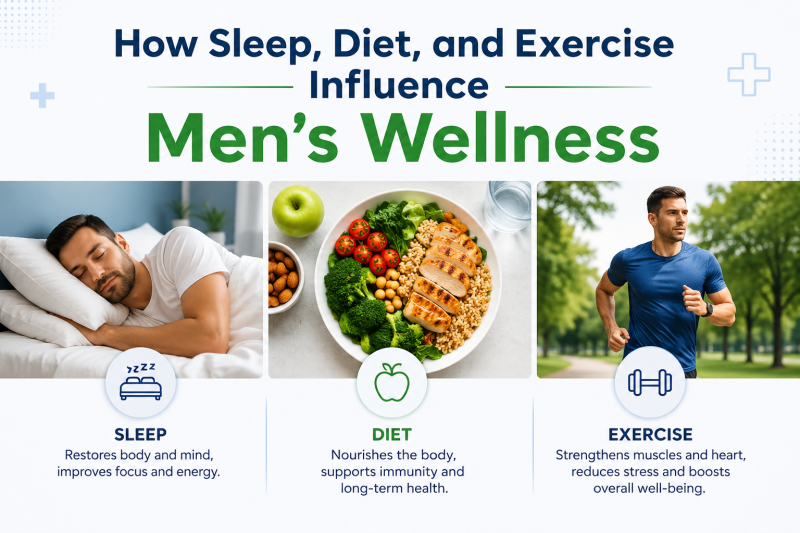
Men’s wellness depends on more than avoiding illness. It involves maintaining physical strength, emotional balance, energy levels, and long-term health. Three everyday habits play an important role in supporting these goals: quality sleep, a balanced diet, and regular exercise. Although each habit offers different benefits, they work best when combined.
Developing a healthier routine does not require dramatic lifestyle changes. Small, consistent improvements can help men feel more energetic, support heart health, maintain a healthy weight, and improve their overall quality of life.
1. How Sleep Supports Men’s Health
Sleep gives the body time to recover from daily activities. During adequate rest, the body supports tissue repair, immune function, memory, and emotional regulation. Poor sleep, on the other hand, may contribute to fatigue, difficulty concentrating, irritability, and reduced productivity.
Sleep also plays a role in metabolic health and hormone regulation. Ongoing sleep problems may be associated with increased risks of weight gain, high blood pressure, and type 2 diabetes.
Most adults should aim for at least seven hours of sleep each night, although individual needs vary. Men can improve their sleep habits by maintaining a regular bedtime, limiting caffeine late in the day, reducing screen use before bed, and keeping the bedroom quiet and comfortable.
Persistent snoring, breathing interruptions during sleep, or excessive daytime tiredness may indicate a sleep disorder and should be discussed with a medical professional.
2. The Role of Nutrition in Men’s Wellness
A balanced diet provides essential nutrients that help the body function properly. Healthy eating supports muscle maintenance, energy production, immune function, and cardiovascular health.
Men can build a nutritious eating pattern by including a variety of foods:
- Protein-rich foods, eggs, fish, beans, lentils, poultry, and other protein sources, help maintain and repair muscles.
- Fruits and vegetables: These provide vitamins, minerals, fiber, and beneficial plant compounds.
- Whole grains: Oats, brown rice, and whole-wheat products provide fiber and sustained energy.
- Healthy fats: Nuts, seeds, olive oil, and oily fish can contribute to a heart-healthy diet.
- Calcium and vitamin D sources: These nutrients support bone health and normal muscle function.
Limiting excessive salt, added sugar, and highly processed foods may also help reduce certain long-term health risks. Drinking enough water throughout the day supports hydration, particularly during exercise or hot weather.
Nutritional needs vary according to age, activity level, medical history, and individual circumstances. Supplements are not automatically necessary when a balanced diet provides adequate nutrients.
3. Why Regular Exercise Matters
Physical activity strengthens the body and supports mental well-being. Regular exercise can improve cardiovascular fitness, muscle strength, flexibility, balance, and weight management.
Men who exercise consistently may also experience better mood, improved sleep quality, and reduced stress. Activities such as walking, cycling, swimming, and resistance training offer different benefits, making it useful to combine several forms of movement.
Adults should generally aim for at least 150 minutes of moderate-intensity aerobic activity each week, along with muscle-strengthening activities on two or more days.
Beginners can start with short walks or simple bodyweight exercises and gradually increase their activity. Choosing enjoyable activities makes it easier to remain consistent over time.
4. How These Habits Work Together
Sleep, nutrition, and exercise influence one another. Regular physical activity can improve sleep, while sufficient rest helps the body recover from workouts. Balanced meals provide the energy and nutrients needed for movement and daily responsibilities.
Neglecting one area may make the others more difficult to maintain. For example, insufficient sleep can increase cravings for less nutritious foods and reduce motivation to exercise. Building a routine that supports all three habits can therefore be more effective than focusing on just one.
Men’s wellness starts with everyday choices. Quality sleep, nutritious meals, and regular physical activity support physical health, mental balance, and healthy aging. By making gradual, sustainable changes and seeking medical advice when necessary, men can develop habits that benefit them both now and in the future.
Consistency matters more than perfection. A balanced routine built around rest, good nutrition, and movement is a practical foundation for long-term well-being.
Source:
Click for the: Full Story
You might like









You Might Like this