



 Close Menu
 World
World
 Biography
 Health
 Education
 Business
 Lifestyle
 Sports
 Technology
 Animals
 History
 Food
Food
 Religious
 Startups
 Movies
 Politics
 Fashion
 Covid
Covid
 Diet
Diet
 Fitness
 Marketing
 Travel
 Science
 Reviews
 Social media
 Stories
 Facts
Facts
 Art
Art
 Entertainment
ROBERT HARBOUR

Health
The Evolving Landscape of Holistic Skincare: Beyond Traditional Treatments
 ROBERT HARBOUR
Taking care of your skin involves more than just the basics of cleansing and moisturising. Many people now look beyond conventional treatments to support their skin’s health naturally and gently. This shift reflects a growing interest in holistic skincare approaches that consider overall wellness alongside targeted care.
Exploring Diverse Approaches to Skin Wellness
Skin is the body’s largest organ and a direct reflection of our overall health. Achieving radiant, healthy skin involves more than just using the latest cream or face wash—it requires a holistic approach that includes nutrition, lifestyle, emotional well-being, and the right topical care. Let’s explore some diverse approaches to skin wellness that go beyond conventional routines.
1. Holistic Skincare Practices
Holistic skincare emphasizes treating the skin from the inside out. This includes:
· Hydration: Drinking enough water helps flush toxins and keeps skin plump.
· Nutrition: A balanced diet rich in antioxidants (like berries, leafy greens, and nuts) supports skin repair and protects against aging.
· Sleep and Stress Management: Chronic stress and lack of sleep contribute to inflammation and premature aging.
2. Natural and Herbal Remedies
Many cultures have long relied on natural ingredients for skin care:
· Aloe Vera: Soothes irritation and hydrates dry skin.
· Turmeric: Known for its anti-inflammatory and brightening properties.
· Green Tea: Used both topically and orally for its antioxidant benefits.
3. Modern Dermatological Treatments
For more targeted concerns, modern skincare offers treatments like:
· Chemical Peels: Help with acne scars, pigmentation, and texture.
· Laser Therapy: Effective for wrinkles, scars, and tightening.
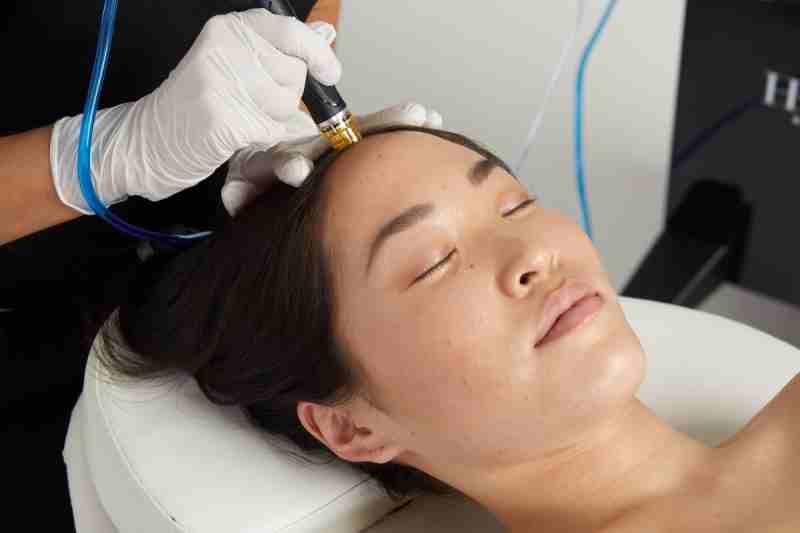
· Microneedling: Stimulates collagen production and improves skin tone.
4. Cultural and Traditional Methods
Different cultures contribute unique insights:
· K-Beauty (Korean Skincare): Emphasizes layering lightweight products for maximum hydration.
· Ayurveda (India): Uses dosha-specific oils, herbs, and diet to balance skin.
· Traditional Chinese Medicine (TCM): Treats skin issues by addressing internal imbalances using acupuncture, herbs, and dietary adjustments.
5. Mind-Body Connection
Skin wellness is also influenced by mental and emotional states:
· Meditation and Yoga: Help reduce stress, which in turn lowers the risk of breakouts and inflammation.
· Emotional Wellness: Positive mindset and emotional balance often lead to clearer, more vibrant skin.
6. Personalized Skincare Routines
Every skin type is different. A personalized approach involves:
· Identifying skin type (oily, dry, combination, sensitive).
· Using products tailored to specific concerns.
· Adjusting routines seasonally or with age.
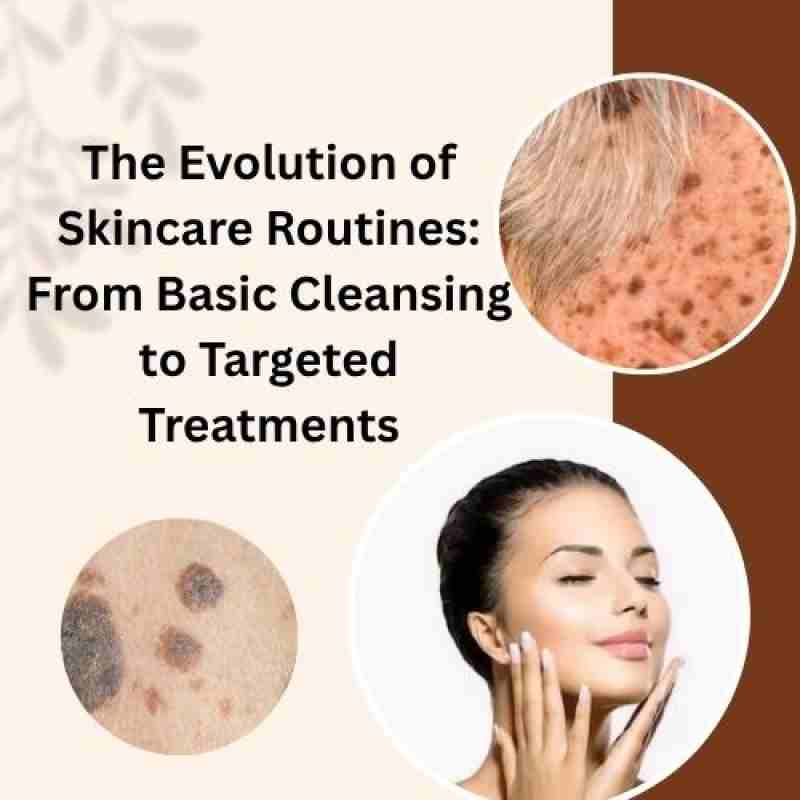
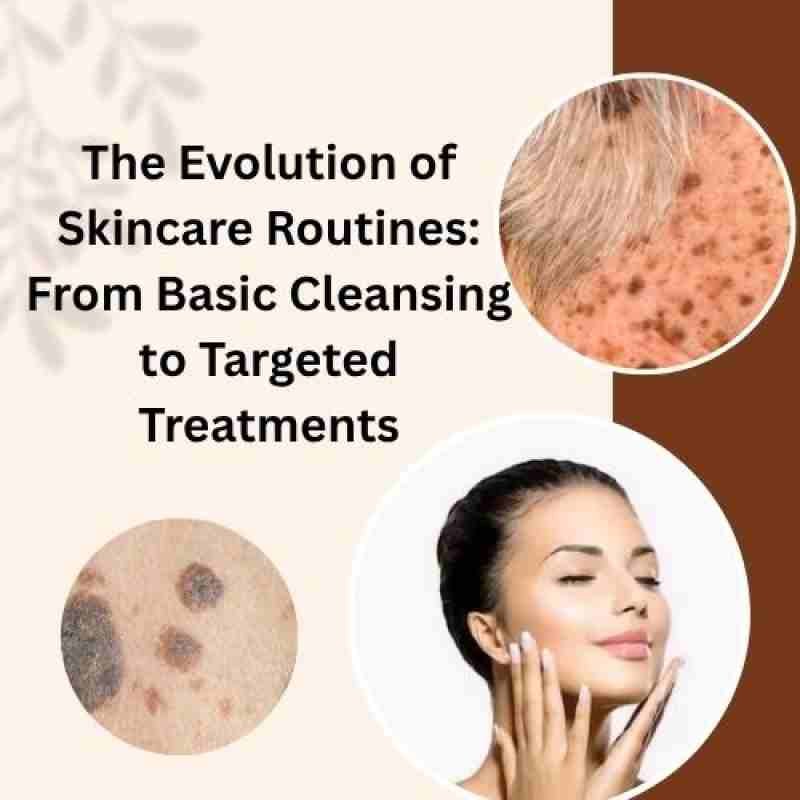
For instance, some seek out an Herbal Supplement for Seborrheic Keratosis aiming for a natural option, but it’s crucial to remember that not all herbal products have undergone rigorous testing. Their impact may differ from person to person, and some might even cause irritation or allergic reactions.
Why Professional Medical Advice Matters
If you notice any new or changing skin growths, including seborrheic keratosis, it’s important to consult a healthcare professional. Only a trained dermatologist can accurately diagnose the condition and recommend the safest and most effective treatment options. Self-treatment with supplements or home remedies can sometimes delay proper care or lead to complications.
Your doctor might suggest treatments such as cryotherapy, curettage, or laser removal for seborrheic keratosis. These methods have established safety and efficacy records. Meanwhile, holistic skincare can serve as a complementary approach to keep your skin healthy and resilient.
Combining Traditional and Holistic Care
The best approach to skin wellness often involves combining traditional medical treatments with supportive natural care. Eating a balanced diet rich in antioxidants, protecting your skin from sun damage, staying hydrated, and using gentle skincare products contribute significantly to skin health.
Supplements and herbal products can be part of this supportive care but should never replace professional advice or evidence-based treatments. If you consider trying any herbal supplement, including those marketed for conditions like seborrheic keratosis, discuss it first with your healthcare provider to ensure it’s safe and appropriate for you.
In today's world of rapidly evolving healthcare, many individuals are seeking more comprehensive ways to manage their health. Combining traditional medicine with holistic care offers a powerful approach that addresses not only physical symptoms but also emotional, mental, and spiritual well-being.
What Is Traditional Care?
Traditional care, also known as conventional or Western medicine, relies on evidence-based practices, pharmaceuticals, surgery, and modern diagnostics. It is particularly effective for acute conditions, infections, trauma, and chronic disease management. Physicians, nurses, and specialists provide structured care plans that are often fast-acting and scientifically proven.
Strengths of Traditional Care:
· Accurate diagnoses through modern technology
· Fast-acting treatment for acute or emergency conditions
· Well-researched medications and protocols
What Is Holistic Care?
Holistic care considers the whole person, including body, mind, and spirit. It focuses on prevention, natural healing, and lifestyle modifications. Techniques may include:
· Nutrition and diet
· Herbal remedies
· Acupuncture
· Yoga and meditation
· Massage therapy
· Mindfulness and energy healing
Holistic practitioners aim to identify the root causes of illness rather than just treating symptoms.
Strengths of Holistic Care:
· Focus on long-term wellness and prevention
· Fewer side effects from natural remedies
· Personalized care that includes emotional and spiritual support
Why Combine the Two?
When traditional and holistic approaches are used together, patients often experience better outcomes. This integrated approach is sometimes called integrative or complementary medicine.
Benefits of Combining Traditional and Holistic Care:
· Comprehensive treatment: Treat the disease and support overall well-being.
· Enhanced recovery: Reduce stress, pain, and side effects from conventional treatments.
· Patient empowerment: Individuals take a more active role in their health.
· Chronic disease support: Holistic methods can manage lifestyle-related conditions like diabetes, arthritis, or high blood pressure alongside conventional therapies.
Real-World Examples:
· A cancer patient undergoing chemotherapy may use acupuncture to relieve nausea and meditation to reduce stress.
· Someone with chronic pain might take prescribed medications while also practicing yoga and using herbal supplements to support mobility and reduce inflammation.
· A person with high blood pressure might use prescription drugs in the short term while adopting a holistic plan involving dietary changes, exercise, and stress reduction for long-term control.
How to Safely Combine Both:
1. Consult your doctor before starting any holistic treatment.
2. Work with certified holistic practitioners with experience in integrative care.
3. Keep all your healthcare providers informed to avoid interactions between drugs and supplements.
4. Listen to your body—healing is personal and may take time.
Final Thoughts
Skincare is personal, and exploring holistic options reflects a desire for gentle, natural care. Remember that each skin condition requires specific attention. While many supplements can enhance overall skin wellness, conditions like seborrheic keratosis need targeted approaches guided by experts.
If you want to learn more about natural options, including effective Herbal Supplement for Seborrheic Keratosis, please consult trusted medical sources or speak directly to a dermatologist. Your skin deserves care that’s safe, reliable, and suited to your needs.
Source:
Click for the: Full Story
You might like






You Might Like this