



 Close Menu
 World
World
 Biography
 Health
 Education
 Business
 Lifestyle
 Sports
 Technology
 Animals
 History
 Food
Food
 Religious
 Startups
 Movies
 Politics
 Fashion
 Covid
Covid
 Diet
Diet
 Fitness
 Marketing
 Travel
 Science
 Reviews
 Social media
 Stories
 Facts
Facts
 Art
Art
 Entertainment
Donald L Hartfield

Health
What Percentage of Mandelic Acid Is Best for Beginners?
 Donald L Hartfield
Starting with exfoliating acids doesn’t have to feel complicated. The confusion usually comes from percentages. You see 5%, 10%, even higher, and it’s easy to assume stronger means better results. In reality, skin responds much better to the right strength used consistently rather than jumping straight into something intense.
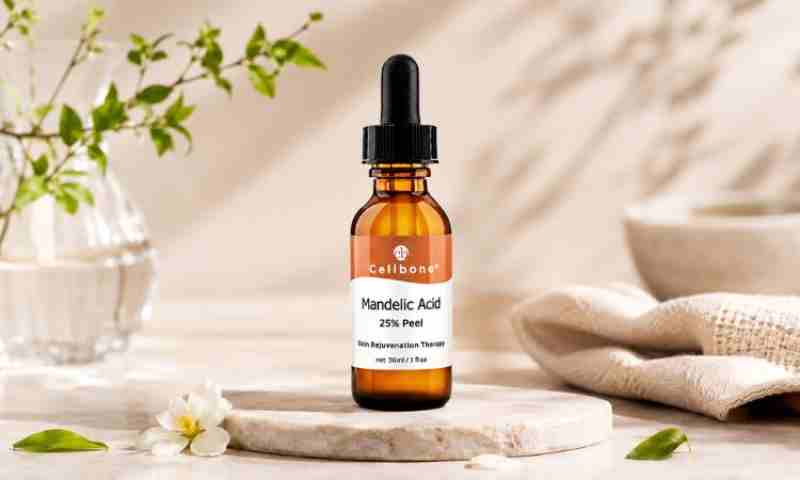
When people begin building a simple routine, a mandelic acid serum often becomes one of the first exfoliating products they try because it feels manageable and doesn’t overwhelm the skin.
A Gentler Acid that Still Does The Job
Mandelic acid is part of the AHA family, but it behaves differently from the more aggressive ones people usually hear about. Its molecular size is larger, which slows down how quickly it penetrates the skin.
That slower pace makes a noticeable difference. Instead of hitting the skin all at once, it works gradually. You still get exfoliation, but without the sharp irritation that can come with stronger acids.
This is exactly why it’s often recommended for people who are new to chemical exfoliation, or for those who’ve had trouble tolerating other acids in the past.
Finding the Right Starting Percentage
Most beginners do best starting with 5%. It’s enough to gently encourage cell turnover without stressing the skin. You won’t see dramatic overnight results, but your skin starts to feel smoother and look more even over time.
Some people can tolerate 8% or even 10% early on, especially if their skin isn’t particularly sensitive. But starting lower gives you more control. You get to see how your skin reacts before increasing strength.
Higher percentages aren’t necessarily better, they’re just more concentrated. And if your skin isn’t ready, that extra strength can slow progress instead of improving it.
What Changes You’ll Actually Notice
Mandelic acid works quietly. You’re not likely to see visible peeling or strong tingling, especially at beginner-friendly levels.
Instead, the changes show up in smaller ways. Your skin starts to feel smoother, particularly around areas that usually feel rough or congested. Over a couple of weeks, tone may start to look more even, and breakouts may become less frequent.
It’s less about instant transformation and more about steady improvement.
Starting Slow Without Second-Guessing it
A simple approach works best here. Use mandelic acid two or three nights a week in the beginning. Apply it after cleansing, then follow with a moisturizer.
There’s no need to layer multiple actives right away. In fact, keeping your routine minimal helps your skin adjust faster.
Hydration also matters more than people realize. When your skin is well-hydrated, it tolerates exfoliation much better. That’s often what separates a smooth transition from irritation.
Knowing When to Increase Strength
There isn’t a fixed timeline for moving up in percentage. It depends on how your skin feels over time.
If your skin is handling the current strength comfortably - no dryness, no sensitivity and you feel like results have plateaued, you can consider increasing slightly.
But there’s no pressure to do so. Many people stick with lower percentages long-term because they’re easier to maintain and still deliver consistent results.
Making Mandelic Acid Work With the Rest of Your Routine
Mandelic acid doesn’t need a complicated routine around it to be effective. In fact, it works better when everything else stays simple and predictable.
On the nights you use it, keep your steps minimal. Cleanse your skin, apply the acid, and follow with a moisturizer. That’s enough. There’s no real benefit in layering multiple active ingredients at the same time, especially when your skin is still getting used to exfoliation.
On the days you’re not using mandelic acid, your focus can shift to maintenance. This is where gentle, supportive products come in - hydrators, barrier-repair creams, and targeted treatments. For example, using an eye contour cream fits naturally into this part of your routine, since the under-eye area needs care but doesn’t benefit from exfoliating acids.
What Results Look Like Over Time
With regular use, mandelic acid helps your skin settle into a more balanced state. Texture becomes smoother, tone looks more even, and breakouts tend to calm down.
Over time, your skin starts to feel more consistent instead of unpredictable. That’s usually when people realize they just needed the right approach.
FAQs
What percentage of mandelic acid should beginners use?
Around 5% is a good starting point for most people.
Is 10% mandelic acid too strong?
It depends on your skin. It can work for some beginners, but starting lower is usually safer.
How often should I use mandelic acid?
Two to three times a week is ideal in the beginning.
Will mandelic acid cause peeling?
It usually doesn’t cause visible peeling. It works more gradually.
Is it suitable for acne-prone skin?
Yes, it helps keep pores clear and supports smoother skin over time.
Source:
Click for the: Full Story
You might like









You Might Like this