Close Menu
 World
World
 Biography
 Health
 Education
 Business
 Lifestyle
 Sports
 Technology
 Animals
 History
 Food
Food
 Religious
 Startups
 Movies
 Politics
 Fashion
 Covid
Covid
 Diet
Diet
 Fitness
 Marketing
 Travel
 Science
 Reviews
 Social media
 Stories
 Facts
Facts
 Art
Art
 Entertainment
Nova Ayim

Business
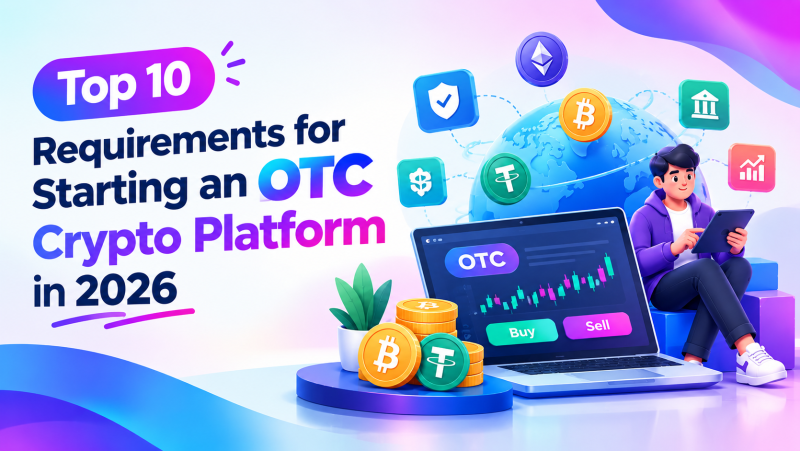
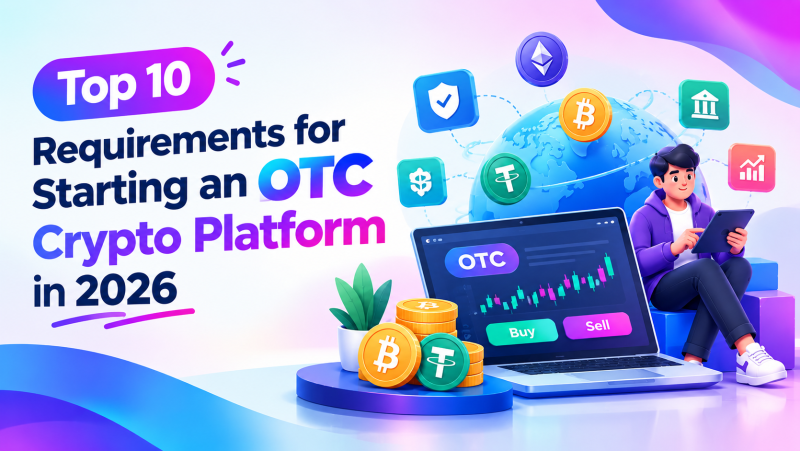
Top 10 Requirements for Starting an OTC Crypto Platform in 2026
 Nova Ayim
Large crypto transactions need a different trading experience. When traders deal with high value orders, they usually care about getting a suitable quote, completing the trade quickly, protecting their assets, and settling the transaction without unnecessary delays. This is where an OTC crypto platform can provide a more suitable trading environment than a traditional public order book.
However, Starting an OTC platform is not simply about adding crypto buying and selling features. Businesses need to think about the complete trading process, from requesting a quote to final settlement. Liquidity, pricing, security, compliance, and platform operations all have a role in making the system work smoothly.
Before moving into development, here are the 10 key requirements to consider for an OTC crypto platform in 2026:
- RFQ System for Quick Quote Requests.
- Reliable Liquidity for Large Transactions.
- KYC and AML Processes.
- Secure Wallet Infrastructure.
- Fast Trade Execution.
- Reliable Pricing Engine.
- Smooth Trade Settlement.
- Multi-Asset Support.
- Strong Platform Security.
- Efficient Admin Dashboard.
1. RFQ System for Quick Quote Requests
An RFQ (Request for Quote) system allows traders to ask for a price for a specific crypto amount instead of placing the order directly on a public order book. The platform should make it simple to request a quote, receive the price, accept it, and proceed with the trade. A quick RFQ process can make the OTC experience more convenient for high-volume traders.
2. Reliable Liquidity for Large Transactions
Liquidity becomes especially important when the trade size is large. Limited liquidity can lead to poor pricing or difficulty completing an order. Connecting with multiple liquidity providers, exchanges, or market makers can help an OTC platform access better market depth and handle larger transactions more efficiently.
3. KYC and AML Processes
An OTC platform may handle transactions involving significant amounts, so customer verification and transaction monitoring are important. KYC can help verify users, while AML processes can help identify unusual or suspicious activity. These processes should be planned as part of the platform rather than added later.
4. Secure Wallet Infrastructure
Crypto assets need to be stored and transferred securely. The platform should have suitable infrastructure for deposits, withdrawals, private-key protection, and transaction approvals. Depending on the business model, appropriate hot and cold wallet arrangements can also help balance accessibility and security.
5. Fast Trade Execution
Crypto prices can change quickly, especially during periods of high market activity. A slow trading process can create a difference between the quoted price and the final execution. The platform should therefore connect quote generation, confirmation, and execution through a smooth workflow.
6. Reliable Pricing Engine
A trader needs a quote that reflects current market conditions. A pricing engine can consider market prices, liquidity, trade size, fees, and other relevant factors when generating quotes. This gives the OTC desk better control over how prices are calculated and presented to customers.
7. Smooth Trade Settlement
The trade is not complete when the user accepts a quote. The crypto and corresponding payment still need to be settled correctly. A settlement system can track payments, monitor blockchain transactions, update trade status, and reduce manual work for the operations team.
8. Multi-Asset Support
OTC traders may want access to several digital assets rather than just one or two cryptocurrencies. Depending on the target market and applicable requirements, the platform can support major cryptocurrencies, stablecoins, and selected fiat currencies. Flexible architecture can also make it easier to add assets later.
9. Strong Platform Security
Security needs to cover the entire platform. Two-factor authentication, role-based access, withdrawal controls, encryption, API protection, and transaction monitoring can help protect user accounts and digital assets. Strong security is particularly important when the platform handles high-value transactions.
10. Efficient Admin Dashboard
The internal team needs proper tools to manage the platform. An admin dashboard can bring together user management, KYC status, trade monitoring, liquidity management, transaction reviews, fees, and reports. Centralizing these operations can make daily management easier as the platform grows.
Final Takeaway
Starting an OTC crypto platform in 2026 requires more than building a crypto trading interface. The platform needs to support the complete trading journey with reliable liquidity, quick execution, secure asset management, accurate pricing, smooth settlement, and effective compliance processes.
Planning these requirements before development can help businesses build an OTC trading platform that meets current trading needs while leaving enough room for future growth.
Talk to Our Experts >> https://beleaftechnologies.com/crypto-otc-trading-platform-development
Whatsapp : +91 8056786622
Reach Us : https://www.beleaftechnologies.com/contact-us
Telegram: https://telegram.me/BeleafSoftTech
Source:
Click for the: Full Story
You might like