



 Close Menu
 World
World
 Biography
 Health
 Education
 Business
 Lifestyle
 Sports
 Technology
 Animals
 History
 Food
Food
 Religious
 Startups
 Movies
 Politics
 Fashion
 Covid
Covid
 Diet
Diet
 Fitness
 Marketing
 Travel
 Science
 Reviews
 Social media
 Stories
 Facts
Facts
 Art
Art
 Entertainment
Sakshi Padiyar

Education
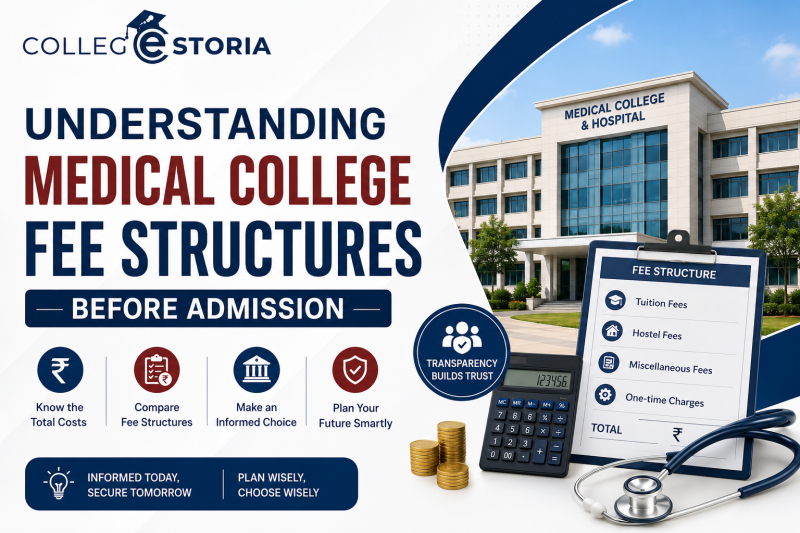
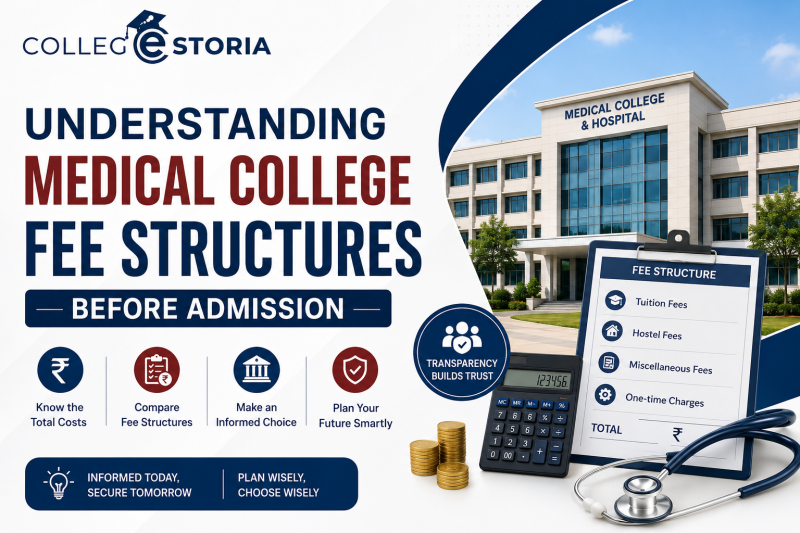
Understanding Medical College Fee Structures Before Admission
 Sakshi Padiyar
Choosing a medical college is one of the biggest decisions for a NEET aspirant. While factors like academic reputation, hospital exposure, and campus facilities are important, understanding the medical college fee structure is equally essential before taking admission. Many students focus only on the tuition fee and later discover additional expenses that significantly increase the overall cost of pursuing an MBBS degree.
Before finalising your college during MBBS Admission in India, it is important to understand what the fee structure includes and how it differs from one institution to another. Making an informed financial decision can help students and parents avoid unexpected expenses later.
Why Understanding MBBS Fees Matters
The cost of pursuing MBBS in India varies depending on the type of medical college, admission category, and state regulations. Government colleges generally have lower fees, while private and deemed medical colleges may have significantly different fee structures.
Understanding the complete fee details allows students to:
- Plan their education budget effectively.
- Compare different medical colleges.
- Avoid unexpected financial commitments.
- Choose a college that matches both academic and financial goals.
A well-informed decision ensures a smoother admission process.
Components of MBBS Fees
Many students assume that tuition fees are the only expense involved. In reality, the total cost of medical education may include several components.
Tuition Fee
This is the primary academic fee charged by the medical college for the MBBS course. It usually forms the largest portion of the overall fee structure.
Admission Fee
Some colleges charge a one-time admission or enrollment fee during the joining process.
Hostel Charges
Students opting for hostel accommodation should also consider hostel rent, mess charges, electricity, laundry, and other residential expenses.
Security Deposit
Certain medical colleges collect a refundable security deposit at the time of admission.
Examination Fees
Annual or semester examination fees may be charged separately depending on the university’s regulations.
Miscellaneous Charges
Other expenses may include:
- Library fees
- Laboratory charges
- Student welfare fees
- University registration fees
- Clinical training expenses
- Identity card charges
Understanding all these components helps students estimate the actual cost of pursuing MBBS Admission in India.
Government vs Private Medical College Fees
One of the biggest differences students notice during counselling is the variation in fee structures.
Government medical colleges generally offer lower tuition fees because they receive government support. Competition for these colleges is usually very high due to affordable education.
Private medical colleges often have higher tuition fees but provide additional seat availability for students who qualify through NEET UG counselling. Fee structures may differ from one private institution to another depending on infrastructure, facilities, and university policies.
Students should compare the complete fee structure rather than making decisions based only on the annual tuition fee.
Factors That Influence MBBS Fees
Several factors determine the fee structure of a medical college, including:
- Type of institution (Government, Private, or Deemed University)
- Location of the college
- Infrastructure and campus facilities
- Attached teaching hospital
- Clinical exposure available to students
- University regulations
- State counselling policies
These factors explain why two medical colleges may have different fee structures even if they offer the same MBBS program.
Questions to Ask Before Paying Admission Fees
Before confirming your admission, make sure you understand:
- What is included in the annual tuition fee?
- Are hostel and mess charges separate?
- Is there any refundable security deposit?
- Are examination fees charged every year?
- What additional charges may apply during the MBBS course?
- What is the fee payment schedule?
- Does the college provide scholarships or financial assistance?
Asking these questions early can help avoid confusion after admission.
Don’t Choose a College Based Only on Fees
While affordability is important, selecting a medical college solely because it has lower fees may not always be the best decision.
Students should also evaluate:
- Academic reputation
- Faculty experience
- Hospital patient flow
- Clinical exposure
- Internship opportunities
- Campus infrastructure
- Research facilities
- Student support services
The Best Medical Colleges offer a balanced combination of quality education, practical training, and a transparent admission process.
Tips for Comparing Medical Colleges
Before finalising your college during MBBS Admission in India, compare multiple institutions based on:
- Total course fee instead of only annual tuition.
- Quality of academics and teaching hospitals.
- Hostel and campus facilities.
- Internship and clinical learning opportunities.
- Recognition and regulatory approvals.
- Overall value for long-term medical education.
Making comparisons carefully helps students select a college that fits both their career aspirations and financial planning.
Final Thoughts
Understanding the complete MBBS Fees structure is an important part of planning your MBBS Admission in India. Looking beyond tuition fees and evaluating all associated costs can help students make confident and informed decisions. Along with affordability, factors such as academics, clinical exposure, infrastructure, and career opportunities should also play a major role in selecting among the Best Medical Colleges.
If you are preparing for MBBS Admission in India and need guidance on comparing medical colleges, understanding fee structures, or choosing the right college based on your NEET score and budget, CollegeStoria provides personalised counselling to help students make informed admission decisions with confidence.
Source:
Click for the: Full Story
You might like






You Might Like this