



 Close Menu
 World
World
 Biography
 Health
 Education
 Business
 Lifestyle
 Sports
 Technology
 Animals
 History
 Food
Food
 Religious
 Startups
 Movies
 Politics
 Fashion
 Covid
Covid
 Diet
Diet
 Fitness
 Marketing
 Travel
 Science
 Reviews
 Social media
 Stories
 Facts
Facts
 Art
Art
 Entertainment
Sakshi Padiyar

Education
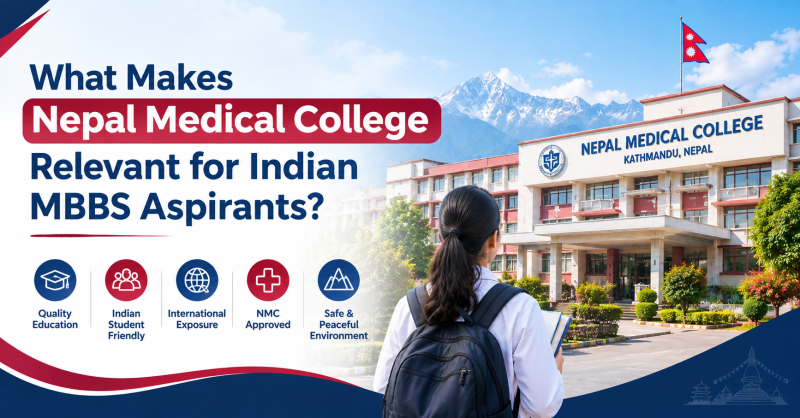
What Makes Nepal Medical College Relevant for Indian MBBS Aspirants?
 Sakshi Padiyar
Many Indian students exploring medical education abroad consider Nepal Medical College because of its proximity to India, comparable academic structure, and long-standing presence in the region's medical education landscape. For families weighing options outside the domestic NEET counselling system, understanding what this college offers — and what needs to be verified before applying — is an important first step.
Overview of Nepal Medical College
Nepal Medical College is located in Kathmandu and has been offering MBBS education for several years, drawing students from Nepal, India, and other neighbouring countries. It functions under Nepal's medical education framework and is affiliated with Kathmandu University, which governs its academic curriculum and examination structure.
Location and Institutional Background
Kathmandu's central location makes travel relatively convenient for Indian families, and cultural similarities between the two countries often ease the transition for students moving abroad for the first time. The institution's academic background and years of operation are factors many applicants review when comparing it against other Nepal-based medical colleges.
Recognition and Approval Status
Recognition status is one of the most important checks before applying to any overseas medical college. Students should verify current approval details, affiliation status, and eligibility for post-return licensing exams such as FMGE/NExT through the National Medical Commission (NMC) website, since these details are reviewed and updated from time to time.
Why Nepal Medical College Attracts Indian Students
Nepal Medical College appeals to Indian aspirants largely due to geographic proximity, a curriculum broadly aligned with international MBBS standards, and an admission process that many families find more accessible compared to highly competitive domestic seats.
Academic Environment and Language of Instruction
Classes are conducted in English, which reduces the adjustment period for Indian students used to English-medium education. The academic environment blends theoretical coursework with structured clinical postings, following a curriculum pattern similar to what students would encounter in Indian medical colleges.
Cultural and Geographic Proximity
Shared cultural references, dietary familiarity, and relatively short travel distance make Nepal a practical choice for parents concerned about their child studying far from home. This proximity also makes periodic visits and communication more manageable compared to studying in distant countries.
MBBS Admission in Nepal – Process Overview
MBBS Admission in Nepal typically involves entrance eligibility checks, document submission, and a structured selection process before final enrolment. Indian students should familiarise themselves with this process well ahead of application deadlines.
Eligibility Requirements for Admission
Applicants generally need to have completed Class 12 with Physics, Chemistry, and Biology, along with a qualifying score in a recognised entrance examination such as NEET. Minimum age and subject-percentage requirements may also apply, and since these criteria are reviewed periodically, students should confirm the latest eligibility norms through official counselling sources.
Application Timeline and Documentation
The application process usually requires academic transcripts, entrance scores, identification proof, and other supporting documents. Timelines can shift from year to year depending on the academic calendar, so applicants should track official announcements rather than relying on assumptions carried over from previous intakes.
Quota Admission in India and How It Compares
While Nepal Medical College operates under Nepal's own admission framework, many Indian students first explore Quota Admission in India before deciding to look abroad. Comparing both pathways helps families make a more informed choice.
How Domestic Quota Seats Work
In India, MBBS seats are distributed across government, management, and NRI quota categories, each with distinct eligibility conditions and fee structures. Competition for government quota seats tends to be high, which is one reason some students consider international options like Nepal as an alternative pathway.
Comparing Costs and Accessibility
Overall costs, including tuition and living expenses, can differ significantly between domestic quota seats and studying at a college like Nepal Medical College. Families should compare total programme costs, currency exchange considerations, and living expenses carefully rather than focusing solely on tuition fees.
Fees, Hostel and Campus Facilities
Financial planning plays a central role when considering any MBBS destination, and fee structures for Nepal-based colleges vary based on nationality, quota category, and academic year.
Fee Structure and Associated Costs
Tuition fees, hostel charges, and other institutional costs should be verified directly from the college's official fee schedule, as figures are revised periodically and may differ for local, SAARC, or international students. Relying on outdated or third-party fee information can lead to inaccurate budgeting.
Hostel and Campus Infrastructure
Hostel accommodation, library resources, laboratories, and general campus facilities contribute meaningfully to a student's overall experience. Parents evaluating the college from abroad should specifically enquire about hostel safety measures, mess arrangements, and support systems in place for international students adjusting to a new environment.
Frequently Asked Questions
Common Questions on Eligibility and AdmissionIs NEET required for admission to Nepal Medical College?
Indian students generally need a qualifying NEET score, though exact requirements should be confirmed through current admission guidelines.
What is the medium of instruction for the MBBS course?
Classes are conducted in English, which aligns with the academic background most Indian students are accustomed to.
Is Quota Admission in India a better option than studying in Nepal?
This depends on individual eligibility, budget, and preference; both pathways have distinct advantages that should be evaluated based on personal circumstances.
Common Questions on Fees and RecognitionDoes Nepal Medical College have valid recognition for Indian students?
Recognition and approval status should always be verified through the National Medical Commission before applying, as these details can be updated periodically.
Are fees fixed for the entire course duration?
Fees may be revised from time to time, so students should refer to the latest official fee notification issued by the college.
For Indian families comparing overseas options, Nepal Medical College offers a reasonably accessible pathway into MBBS education, supported by geographic proximity and a familiar academic structure. That said, recognition status, fees, counselling procedures, and seat availability can change each year, and all such details should be verified through official sources before making a final decision.
If you're weighing MBBS Admission in Nepal against domestic quota options and need clarity on eligibility or documentation, College Storia provides admission guidance to help simplify the decision-making process. You can contact College Storia at +91 9310937372 for further assistance.
Source:
Click for the: Full Story
You might like






You Might Like this