



 Close Menu
 World
World
 Biography
 Health
 Education
 Business
 Lifestyle
 Sports
 Technology
 Animals
 History
 Food
Food
 Religious
 Startups
 Movies
 Politics
 Fashion
 Covid
Covid
 Diet
Diet
 Fitness
 Marketing
 Travel
 Science
 Reviews
 Social media
 Stories
 Facts
Facts
 Art
Art
 Entertainment
Hallie Carter

Business
Why Should Homeowners Hire a Local Tree Removal Company for Storm-Damaged Trees?
 Hallie Carter
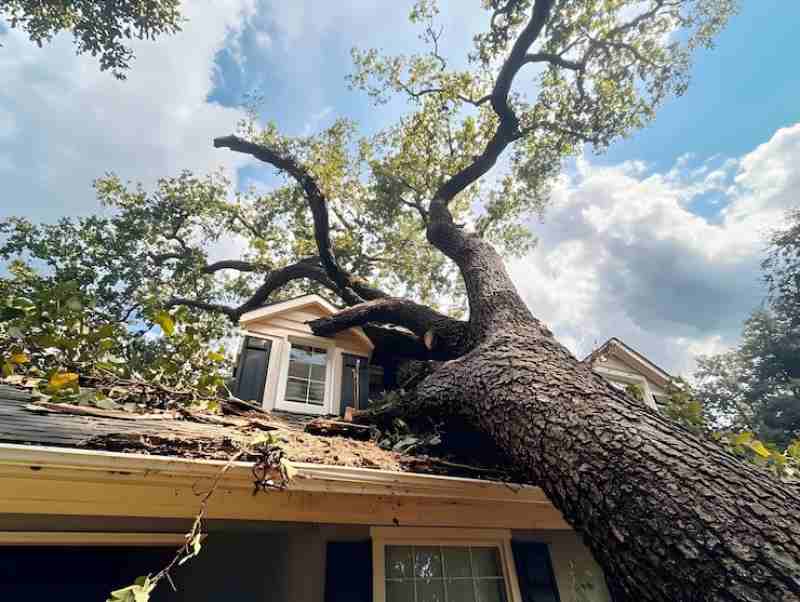
Homeowners may benefit from hiring a local tree removal company after storms when trees have broken limbs, split trunks, exposed roots, or have fallen across the property. Storm-damaged trees can be unstable even when they remain standing, making cleanup more complicated than ordinary tree maintenance. Professional assistance can help address hazardous trees while reducing risks to people, buildings, vehicles, and other property.
What Types of Storm Damage Require Attention?
Can Broken Branches Become Dangerous?
Broken branches may remain attached to a tree even after severe weather. Large limbs can shift or fall when exposed to additional wind or when nearby work causes movement. Branches hanging over roofs, driveways, sidewalks, and outdoor areas should be treated carefully. Removing unstable limbs may be necessary when they pose a clear hazard.
What If the Trunk Is Split?
A split trunk can significantly affect a tree's structural stability. Splits may occur after strong winds, lightning, heavy snow, or other forces place stress on the tree. Depending on the location and severity of the split, pruning may not be enough to address the concern. A damaged tree should be assessed before homeowners attempt any cutting.
Why Is Local Experience Useful?
Can Property Conditions Affect Tree Removal?
Every removal site has different conditions. A tree may stand beside a house, behind a fence, near a driveway, or in a restricted backyard. Local tree care providers may have experience working with these residential layouts and can account for access, surrounding structures, and cleanup requirements. Local tree removal company services can also be useful when storm cleanup requires several related tasks.
Does Equipment Access Matter?
Equipment access can affect how storm-damaged trees are handled. Narrow gates, steep slopes, landscaping, and nearby structures may limit where machinery can operate. A professional assessment can identify access challenges before work starts and help determine how branches and trunk sections can be safely removed from the property.
What Should Homeowners Do Before Help Arrives?
Homeowners should keep children, pets, and other people away from damaged trees and hanging branches. They should also avoid walking beneath unstable limbs or attempting to cut large sections themselves. If a tree has fallen onto electrical lines, the area should be avoided until the utility provider or qualified professionals determine that it is safe.
Should Fallen Trees Be Cut Immediately?
Not every fallen tree needs to be removed immediately, but certain situations require prompt attention. A tree blocking a driveway, damaging a structure, obstructing access, or creating a risk to people may need urgent service. Trees under tension can also be dangerous because branches and trunks may move unexpectedly when cut.
What Happens After Storm Tree Removal?
After the damaged tree is removed, branches and trunk sections may need to be cut into manageable pieces, chipped, hauled away, or otherwise handled. The remaining stump can also interfere with lawn maintenance or future landscaping. Homeowners may choose stump grinding or complete removal depending on how they plan to use the area.
How Can Homeowners Prepare for Future Storms?
Regular tree inspections and maintenance can help identify dead branches, weak attachments, excessive growth, and other concerns before severe weather occurs. Pruning appropriate branches may reduce some storm-related risks, although no tree can be made completely resistant to extreme weather. Keeping trees properly maintained can make storm cleanup more manageable.
Conclusion
A local tree removal company can provide valuable assistance when storms leave trees broken, unstable, or fallen on residential property. Homeowners should avoid handling large damaged trees themselves, particularly when structures or electrical lines are nearby. Professional assessment can help determine whether pruning, removal, stump work, or additional cleanup is needed after severe weather.
Source:
Click for the: Full Story
You might like








You Might Like this