


 Close Menu
 World
 Biography
 Health
 Education
 Business
 Lifestyle
 Sports
 Technology
 Animals
 History
 Food
 Religious
 Startups
 Movies
 Politics
 Fashion
 Covid
 Diet
 Fitness
 Marketing
 Travel
 Science
 Reviews
 Social media
 Stories
 Facts
 Art
 Entertainment
Arcteryx

Fashion
Arctyerx Fabrics Decoded: What Makes Them Tough
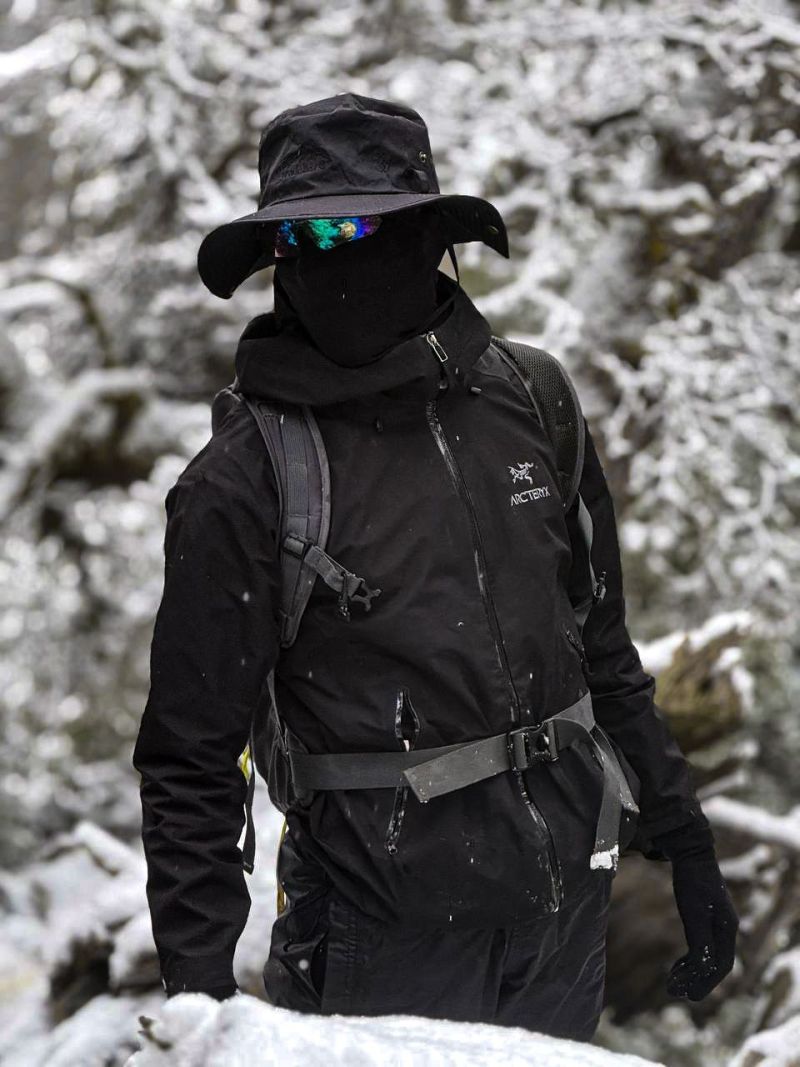 Arcteryx
 kind of started in Vancouver in 1989, and fast became a go-to for climbers, skiers, and hikers too. People liked it, because the whole thing is sorta built around one idea, like every fabric has to do its job when conditions get nasty. Wind, snow, rain, and even rough rock kind show up and test outdoor clothing, and Arcteryx builds gear meant for that. Instead of copying the same layout on every jacket, the brand picks materials for a specific reason, you know, not just “one size fits all”. That’s a big reason a lot of people trust the label for real mountain use, not just “for looks”.
The Role of Gore-Tex in Arcteryx Shells
A lot of the toughest Arcteryx jackets rely on Gore-Tex membranes, which stop water getting in, but let sweat vapor slip out. So rain stays outside, and moisture doesn’t just trap inside with you. https://arcteryxshops.uk/ then matches the membrane with its own face fabrics, plus different build methods. The outcome is a shell that feels both waterproof and breathable, even after long days. Also, there are different Gore-Tex versions, and they fit different needs, from lighter trail shells to heavier alpine ones.
Understanding Arcteryx Face Fabrics and Denier
A lot of durability begins with the outer layer, the face fabric. Arcteryx uses nylon fabrics where denier matters, basically denier describes the thickness of the threads. Higher-denier tends to handle scrapes and tears better, while lower-denier tends to feel lighter and pack down smaller. Arcteryx also places tougher fabric where wear usually hits hardest, like the shoulders and elbows, then uses lighter fabric where it’s less likely to get abused. That mix gives you strength without adding extra weight for no reason.
How Arcteryx Laminates Build Strength Layer by Layer
A waterproof jacket is not just one sheet of cloth. Arcteryx bonds a face fabric to a membrane, then adds a protective inner backer, all into one laminate system. Each layer helps guard the layer under it, and that can help the membrane last longer. Some designs use a soft knit backer for comfort, while other designs choose a lighter or tougher backer depending on what the jacket is meant to do. This layer-by-layer approach is part of why Arcteryx shells can keep going for years.
The Importance of Seam Taping and Zippers
Even the best material can fail if water slips through the seams. Arcteryx covers seam lines with waterproof tape, so rain can’t sneak through the tiny needle holes. A bunch of jackets also use water-resistant zippers, which help block storm water without needing big heavy flaps everywhere. These little choices protect the whole jacket, not only the fabric panels. And yeah, that kind of construction detail is a big piece of why the gear feels dependable.
Softshell Fabrics That Handle Movement and Weather
Some outings don’t require a full waterproof shell. Arcteryx softshell fabrics, often seen in the Gamma line, aim at wind resistance, stretch, and solid breathability. They handle light rain and snow, while still letting you move easily on climbs and long hikes. The outer layer is tightly woven to resist abrasion, and the inside feels softer when you layer up. For active days where weather changes fast, these fabrics give reliable toughness with less bulk than a hard shell.
Insulation Materials in Arcteryx Jackets
Warmth is another place Arcteryx leans on smart design plus strength. They use synthetic insulation, like Core loft, to keep heat in even if the jacket gets damp, which matters in wet mountain weather. Down insulation shows up too, mainly when maximum warmth for low weight is the goal. And the outer fabrics are selected to protect insulation from snags and moisture. Together, this pairing helps insulated jackets stay warm and solid season after season.
Caring for Your Arcteryx Fabrics to Make Them Last
Even the toughest gear needs real care, or it won’t keep performing. Dirt, sweat, and body oils can clog fabric pores and cut breathability over time. Washing an Arcteryx jacket with a gentle technical cleaner, then rinsing well, helps restore performance. After that, a short tumble in the dryer on low heat can help re-energize the water-repellent finish on the surface. With basic care, your shell can keep protecting you for a long time, not just one season.
FAQs
1.Are Arcteryx fabrics really waterproof?
Their Gore-Tex shells are fully waterproof when seams and zippers stay intact. Softshell fabrics are more water-resistant, and they handle light rain better than long storms.
2.What makes Arcteryx jackets so durable?
They combine tougher nylon face fabrics, layered laminates, seam taping, and reinforced high-wear zones. Each part is built to back up the others, not work alone.
3.Is Gore-Tex used in every Arcteryx jacket?
No, not every jacket uses Gore-Tex, some models use other fabric systems. Soft shells and insulated jackets often rely on materials picked for their specific job.
4.How should I wash an Arcteryx jacket?
Use a gentle technical cleaner, wash warm, then rinse thoroughly. Skip fabric softener, because it can mess with the waterproof finish.
5.How long can an Arcteryx jacket last?
With routine care, many jackets last for years with heavy use. The lifespan depends on how often you wear it, and how well you maintain it too.
Source:
Click for the: Full Story
You might like




You Might Like this