


 Close Menu
 World
 Biography
 Health
 Education
 Business
 Lifestyle
 Sports
 Technology
 Animals
 History
 Food
 Religious
 Startups
 Movies
 Politics
 Fashion
 Covid
 Diet
 Fitness
 Marketing
 Travel
 Science
 Reviews
 Social media
 Stories
 Facts
 Art
 Entertainment
Jesse Keyes

Fashion
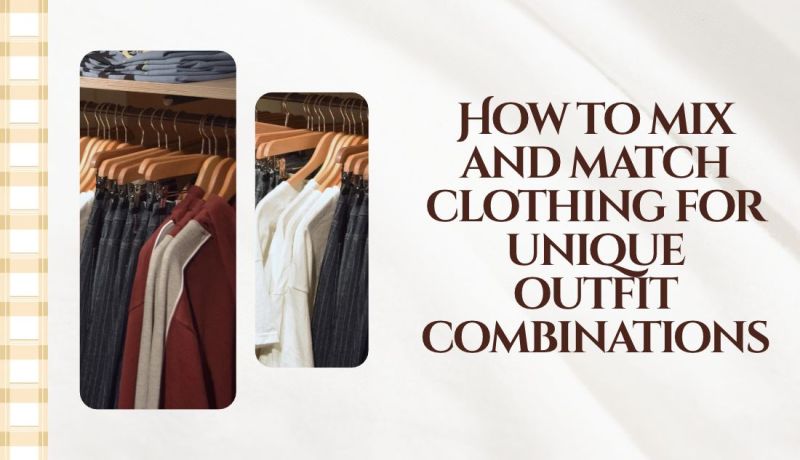
How to mix and match clothing for unique outfit combinations
 Jesse Keyes
Quick summary: To mix and match clothing, start with a neutral base, add one statement piece, balance fitted and combine textures and patterns within a shared colour family. Finish with layers and accessories. Follow these steps and a small, well-chosen wardrobe can give you dozens of unique outfit combinations.
Ever stood in front of a full wardrobe and felt like you have nothing to wear? Usually the problem isn’t a lack of clothes. It’s a lack of combinations. Once you learn to mix and match clothing, a handful of pieces can feel fresh every day.
You don’t need a stylist or a big budget. A few simple principles cover most of it: balance, contrast, colour harmony and confidence. With those in hand, planning outfits gets quicker and a lot more fun.
At Jesse Keyes, we design modern, contemporary clothing for women, from casual everyday wear to high street fashion, and each piece is made to work with others. This guide shows you how to combine tops, bottoms, layers and accessories into outfits that look polished and personal.
What does it mean to mix and match clothing?
Mixing and matching means combining separate pieces, such as tops, trousers, skirts, jackets and accessories, in different ways to make varied outfits. Instead of buying matching sets, you pick items that work together through colour, texture, proportion or style. You get more outfit options from fewer garments, which saves money, time and wardrobe space.
How do you mix and match clothes? 7 simple steps
1. Start with a neutral foundationBlack, white, beige, grey, navy and camel form the backbone of a mix-and-match wardrobe. They pair with nearly everything, so one pair of tailored trousers or a plain tee can turn up in many different outfits. Build the base first, then add personality on top.
2. Choose one statement pieceEvery outfit needs a focal point. Pick one eye-catching item, such as a printed blouse, a bold jacket or a textured skirt, and keep the rest simple. That stops the outfit from feeling cluttered and lets the statement piece stand out.
3. Balance your proportionsPair something fitted with something relaxed. Wear a loose shirt with slim trousers, or a cropped jacket with a flowing midi skirt. If your top is oversized, keep the bottom streamlined, and the other way round.
4. Mix different texturesTexture adds depth without adding more colour. Try denim with silk, knit with leather, or cotton with satin. A soft knit cardigan over a smooth satin cami looks rich and layered even in a single tone.
5. Combine patterns with confidencePattern mixing sounds risky, but a few rules make it manageable:
- Choose patterns of different scales, such as a small polka dot with a wide stripe.
- Keep both patterns in the same colour family.
- Let one pattern lead and the other support it.
- Add a solid piece to give the eye somewhere to rest.
Use the colour wheel as a guide. Analogous colours, which sit next to each other on the wheel like blue and teal, look calm and cohesive. Complementary colours, which sit opposite each other like navy and mustard, look bold and energetic. A monochrome outfit in different shades of one colour is a simple, elegant third option. When you’re unsure, stick to two or three colours per outfit.
7. Layer and accessoriseLayers and accessories turn a basic combination into a finished look. Add a blazer, denim jacket, long cardigan or scarf for dimension, then pick a belt, bag, jewellery or shoes that tie the colours together. These details are often what separate an ordinary outfit from a memorable one.
Easy outfit formulas you can try today
Use these as starting points and swap in your own pieces:
- Casual everyday: straight-leg jeans, a fitted tee, an oversized shirt worn open, and sneakers.
- Smart casual: tailored trousers, a printed blouse, a structured blazer, and loafers.
- Weekend brunch: a flowing midi skirt, a knit top, a denim jacket, and ankle boots.
- Evening out: a satin skirt, a simple bodysuit, a statement jacket, and heels with bold earrings.
- Work to dinner: a neutral shift dress, a belt, and a contrasting cardigan, with flats swapped for heels.
The same few core pieces show up in several of these outfits, which is the point of mixing and matching.
How can you make outfits look unique and personal?
Your style comes from how you combine pieces, not from owning rare ones. A few ways to do that:
- Break up the matching set. Wear the blazer from one outfit with the trousers from another.
- Mix casual and dressy. Pair a sleek skirt with a relaxed tee, or sneakers with a tailored dress.
- Give pieces new jobs. A shirt can be a top, a light jacket or a beach cover-up.
- Change the silhouette. A half-tuck, a rolled sleeve or a knotted hem alters the whole look.
- Follow your own taste. Choose the colours, cuts and details that make you feel confident, whether or not they’re trending.
Common mix-and-match mistakes to avoid
- Too many statement pieces. When everything competes for attention, nothing stands out.
- Ignoring fit. Even beautiful clothes look off if they don’t suit your body, so tailor key items when needed.
- Using too many colours. More than three can look chaotic unless you plan carefully.
- Matching everything exactly. Slight contrast looks more intentional and modern than a perfectly matched set.
- Forgetting the occasion. A great combination still has to suit the setting, whether that’s work, travel or a party.
How do you build a mix-and-match wardrobe?
A mix-and-match wardrobe works best when each piece can pair with at least three others. A practical starter list:
- 3 to 4 versatile tops in neutral and soft colours
- 2 pairs of well-fitted bottoms, such as trousers and jeans
- 1 to 2 skirts or dresses that can be dressed up or down
- 1 structured layering piece, such as a blazer or jacket
- 1 knit or cardigan for texture
- A few accessories that repeat your main colours
Add seasonal and statement pieces gradually. Buying quality, contemporary designs from a women’s fashion label like Jesse Keyes means each addition works harder and lasts longer, so the wardrobe gets smarter rather than just bigger.
Frequently asked questions
What is the easiest way to mix and match clothes?Start with neutral basics, add one colourful or patterned statement piece, and finish with simple accessories. This three-part approach suits almost any occasion and needs very little planning.
How many colours should I wear in one outfit?Two or three is the ideal range: one dominant colour, one supporting colour and one neutral. Accessories can repeat these shades to unify the look.
Can I mix patterns without looking messy?Yes. Choose patterns of different sizes, keep them in the same colour family, and add a solid piece to balance the look.
How do I create many outfits from a few clothes?Choose versatile, neutral pieces that pair easily, then rotate layers and accessories. A capsule wardrobe of 15 to 20 well-chosen items can produce dozens of combinations.
How do I mix casual and formal clothing?Pair one dressy item with one relaxed item, such as a blazer over a tee or a satin skirt with sneakers. Keep the colours simple so the contrast looks deliberate.
Start with what you already own
Mixing and matching is less about rules than about experimenting. Begin with a neutral base, add a statement piece, balance proportions, play with texture and colour, and finish with accessories. Before long, you’ll spot outfit combinations in pieces already hanging in your wardrobe.
To refresh it, explore Jesse Keyes for modern, versatile women’s clothing designed to mix and match.
Source:
Click for the: Full Story
You might like


You Might Like this