Close Menu
 World
 Biography
 Health
 Education
 Business
 Lifestyle
 Sports
 Technology
 Animals
 History
 Food
 Religious
 Startups
 Movies
 Politics
 Fashion
 Covid
 Diet
 Fitness
 Marketing
 Travel
 Science
 Reviews
 Social media
 Stories
 Facts
 Art
 Entertainment
Addison Jons

Business
Choosing the Right UPVC Door Handles for Replacement and Upgrades
 Addison Jons
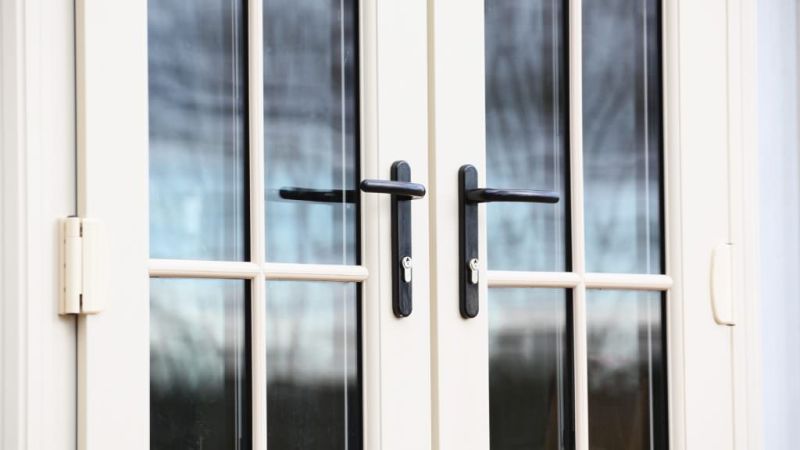
Replacing door hardware can be a useful way to refresh an entrance or address problems caused by worn components. However, selecting a replacement handle is not always as simple as choosing a product with the same colour and general shape. uPVC doors use different locking systems and handle measurements, so compatibility must be confirmed before ordering.
Whether you are replacing a damaged fitting or upgrading an older entrance, choosing the correct uPVC door handles can help maintain comfortable operation and the proper functioning of the locking system.
When Is Replacement Necessary?
Door handles experience repeated use and may eventually show signs of wear. A fitting may become loose, develop cracks or lose its original finish.
Other problems include a lever that does not return properly, excessive movement or difficulty operating the lock. These symptoms may indicate damage to the handle, but they can also be related to the internal mechanism.
Before replacing anything, establish whether the handle is the source of the problem. If the door is difficult to lock or unlock, the gearbox, spindle, multipoint lock or alignment may require inspection.
Identify the Existing Handle Type
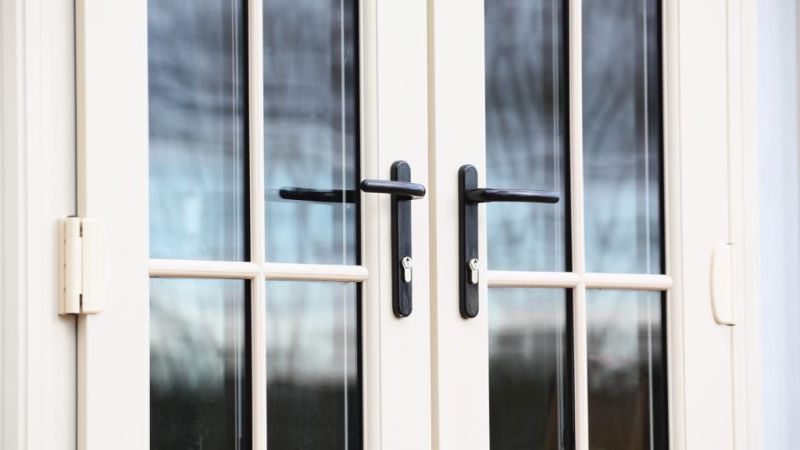
The first step is to identify the handle configuration. Common types include lever/lever handles, lever/pad arrangements and other designs intended for particular locking systems.
Look at both sides of the door and check whether the handle is part of a larger assembly. Record any manufacturer markings or model references.
Taking photographs can help when asking a supplier for assistance. Include the front and rear of the handle, the backplate and any visible fixing points.
Measure the Existing Fitting
Accurate measurements help reduce the risk of ordering an incompatible product. Depending on the design, important measurements may include:
- PZ distance between the spindle centre and cylinder or keyhole centre.
- Distance between the fixing screws.
- Spindle size and length.
- Backplate length and width.
- Door thickness.
- Overall handle dimensions.
Use the manufacturer's measurement instructions where available. If you are unsure which measurement is required, ask the supplier before purchasing.
Choosing Between a Like-for-Like Replacement and an Upgrade
A like-for-like replacement may be suitable when the existing handle is damaged but the locking system remains in good condition. Matching the original specifications can make the selection process more straightforward.
An upgrade may involve changing the appearance, finish or handle design. However, a different style still needs to match the door's mechanical arrangement.
Do not assume that a more expensive or modern handle will fit an older door. Compatibility should always be established before choosing a new design.
Selecting the Right Material and Finish
The replacement should be suitable for the door's location and exposure. External hardware needs to cope with regular handling and changing weather conditions.
Compare the manufacturer's information about construction, surface coating and intended use. Choose a finish that complements the property while following the recommended cleaning instructions.
A well-chosen finish can improve the appearance of an entrance, but material quality and compatibility should remain the main priorities.
Installation: What Homeowners Should Know
Some replacements involve removing and refitting a small number of components, while others require a more technical understanding of the lock.
Always follow the manufacturer's instructions. Check that the spindle and fixing points align correctly, and avoid forcing the handle into position.
After installation, test the mechanism while the door is open. Confirm that the handle moves smoothly and that the lock engages as intended. If the door becomes stiff or the mechanism fails to operate, stop and investigate.
Where the handle is connected to an unfamiliar multipoint lock or the existing mechanism is damaged, a qualified door specialist should carry out the work.
Common Mistakes to Avoid
One frequent mistake is buying a replacement based only on the photograph. Handles that look similar may have different fixing centres or spindle dimensions.
Another is replacing the external fitting without diagnosing the actual fault. If the door is misaligned or the gearbox is worn, a new handle may not resolve the issue.
Homeowners should also avoid overtightening screws or using unsuitable components to make a product fit. Incorrect installation can affect the door's operation.
Testing and Maintaining the New Handle
After replacement, check both sides of the door and test the locking mechanism carefully. The handle should not feel excessively loose or stiff.
Clean the fitting using a soft cloth and a suitable product. Periodically inspect the fixings and look for signs of wear or corrosion.
If the handle begins to feel different during operation, investigate early. A small issue may be easier to address before it affects the rest of the door.
Getting Replacement Advice
When comparing upvc door handles, homeowners should have their measurements and photographs ready. This can make it easier for a supplier or door professional to identify a compatible replacement.
upvcmaintenance can be contacted directly to ask whether it currently provides relevant uPVC maintenance assistance or hardware options. Confirm its available services, product compatibility, costs and any installation arrangements before making a decision.
Conclusion
A successful replacement depends on identifying the existing handle, measuring the relevant components and selecting a compatible product. Homeowners should distinguish between handle wear and problems within the locking mechanism before buying. Choosing the right upvc door handles can restore convenient operation and refresh the appearance of an entrance while preserving the correct functioning of the door.
Source:
Click for the: Full Story
You might like