


 Close Menu
 World
 Biography
 Health
 Education
 Business
 Lifestyle
 Sports
 Technology
 Animals
 History
 Food
 Religious
 Startups
 Movies
 Politics
 Fashion
 Covid
 Diet
 Fitness
 Marketing
 Travel
 Science
 Reviews
 Social media
 Stories
 Facts
 Art
 Entertainment
Deepak

Health
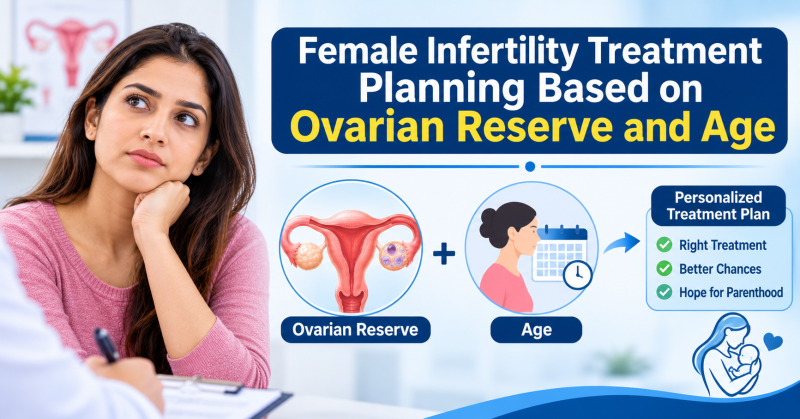
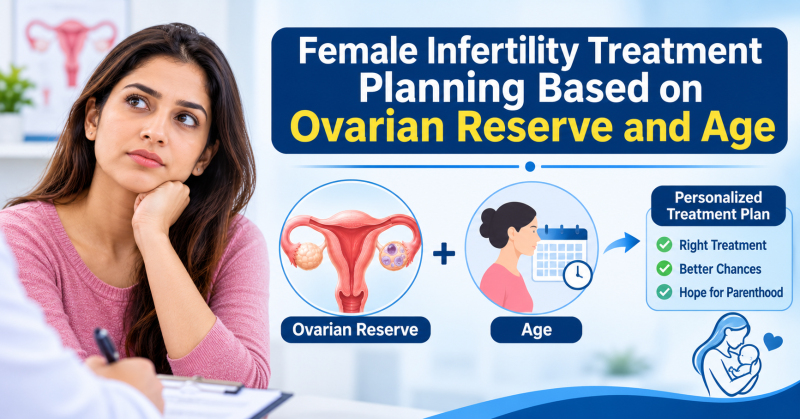
Female Infertility Treatment Planning Based on Ovarian Reserve and Age
 Deepak
When women begin looking for the Best female infertility in Delhi care, two terms come up early in almost every consultation: age and ovarian reserve. Both play a major role in how fertility specialists plan treatment, but they are often misunderstood.
Some women are told their AMH is "low" and assume pregnancy is impossible. Others believe that because they feel healthy, age will not affect their fertility. The truth lies somewhere in between. This blog explains how age and ovarian reserve work together and how doctors use them to plan treatment.
What Is Ovarian Reserve?
Ovarian reserve refers to the number of eggs remaining in a woman's ovaries. Women are born with all the eggs they will ever have, and this number gradually declines over time.
Ovarian reserve is commonly assessed through:
- AMH (Anti-Müllerian Hormone): A blood test that reflects the size of the remaining follicle pool
- Antral Follicle Count (AFC): An ultrasound count of small follicles in both ovaries early in the cycle
- Day 2–3 FSH and estradiol: Hormone tests that offer additional information about ovarian function
These tests estimate egg quantity. They do not directly measure egg quality.
How Age Affects Fertility
Age influences fertility in two ways:
- Egg quantity declines gradually over the years.
- Egg quality also changes, as older eggs are more likely to have chromosomal abnormalities.
This is why a younger woman with low AMH and an older woman with normal AMH may face quite different situations. Age is often considered the stronger predictor of egg quality, while ovarian reserve helps predict how the ovaries may respond to stimulation.
Why Doctors Consider Both Together
Neither age nor ovarian reserve alone tells the full story. Considering them together helps doctors understand:
- How many eggs may respond to fertility medicines
- How quickly treatment decisions should be made
- Which treatment approach may be most suitable
- What realistic expectations should look like
Common Scenarios
Younger age, good ovarian reserve
Women in this group often have more time and more options. If other tests are normal, doctors may begin with simpler approaches such as timed intercourse or ovulation induction, then IUI if appropriate.
Younger age, low ovarian reserve
Even with fewer eggs, egg quality may still be relatively good. However, because reserve may decline further, doctors may suggest moving to treatment without long delays.
Older age, good ovarian reserve
The ovaries may respond well to stimulation, but egg quality may be a concern. Doctors may recommend a more proactive approach, sometimes considering IVF sooner.
Older age, low ovarian reserve
This combination often calls for prompt evaluation and frank counselling. Options may include IVF with individualised stimulation, accumulating embryos across cycles, or discussing donor eggs where appropriate.
Other Factors That Shape Treatment Planning
Age and ovarian reserve are important, but they are not the only considerations. A complete evaluation of Female infertility in Delhi or elsewhere also looks at:
- Fallopian tube health, assessed through HSG or other tests
- Uterine factors, such as fibroids, polyps, or adhesions
- Ovulation patterns and conditions like PCOS
- Endometriosis, which can affect both egg reserve and pelvic anatomy
- Thyroid and prolactin levels
- Male partner's semen analysis
- Previous treatment responses, if any
- Duration of infertility
A woman with good ovarian reserve but blocked tubes, for example, may need a very different plan from one with open tubes and low AMH.
Treatment Options That May Be Considered
Depending on the overall picture, a fertility specialist may discuss:
- Ovulation induction with timed intercourse
- IUI (Intrauterine Insemination) with or without stimulation
- IVF or ICSI, with stimulation tailored to ovarian response
- Egg or embryo freezing for women who wish to preserve fertility
- Donor egg IVF in selected situations, after careful counselling
The goal is to choose an approach that matches the woman's biology, time frame, and personal preferences.
Can Lifestyle Changes Improve Ovarian Reserve?
Lifestyle changes cannot increase the number of eggs a woman has. However, healthy habits such as maintaining a balanced weight, avoiding smoking, limiting alcohol, managing stress, and treating medical conditions may support overall reproductive health and treatment outcomes.
Why Timely Evaluation Matters
Because ovarian reserve declines with time, delays can narrow treatment options. Consider seeing an Infertility specialist in Delhi if:
- You are under 35 and have been trying for 12 months
- You are 35 or older and have been trying for 6 months
- You are over 40 and planning pregnancy
- You have irregular periods, endometriosis, or previous ovarian surgery
- You have a family history of early menopause
- You have been told your AMH is low
Dr. Poonam Goyal's Approach
Dr. Poonam Goyal, a Gynecologist and Fertility Specialist in Delhi, believes that test numbers are only one part of the picture. Her approach involves interpreting ovarian reserve results in the context of age, medical history, and the couple's goals, then explaining the options clearly so patients can make informed decisions.
If you want consultation regarding female infertility treatment, you can visit Dr Poonam Goyal at:
- C-3/63A, 64A, opp. Gokulpuri police station, Block C, Panchsheel Hospital, Yamuna Vihar, Shahdara, Delhi, 110053
- HOD IVF & Infertility, Max Superspeciality Hospital, Vaishali
FAQs
Q1. Can I get pregnant with low AMH?
Yes, pregnancy is possible with low AMH. AMH reflects egg quantity, not quality, and many women with low AMH conceive naturally or with treatment. Age and other factors also influence the chances.
Q2. Is age more important than AMH for fertility?
Age is often a stronger indicator of egg quality, while AMH helps predict how the ovaries may respond to stimulation. Doctors usually consider both together.
Q3. Does good ovarian reserve mean I don't need to worry about age?
Not necessarily. Even with good reserve, egg quality can decline with age, so timely evaluation remains important.
Q4. Can ovarian reserve be increased?
The number of eggs cannot be increased. However, a healthy lifestyle and appropriate treatment of medical conditions may support overall reproductive health.
Q5. When should I consider egg freezing?
Egg freezing may be worth discussing if you plan to delay pregnancy, have low ovarian reserve, or face medical treatment that could affect fertility. A specialist can advise based on your age and test results.
Source:
Click for the: Full Story
You might like




You Might Like this