Close Menu
 World
World
 Biography
 Health
 Education
 Business
 Lifestyle
 Sports
 Technology
 Animals
 History
 Food
Food
 Religious
 Startups
 Movies
 Politics
 Fashion
 Covid
Covid
 Diet
Diet
 Fitness
 Marketing
 Travel
 Science
 Reviews
 Social media
 Stories
 Facts
Facts
 Art
Art
 Entertainment
antonio thomas

Technology
How Does Cross-Platform Design Improve Betting App UX?
 antonio thomas
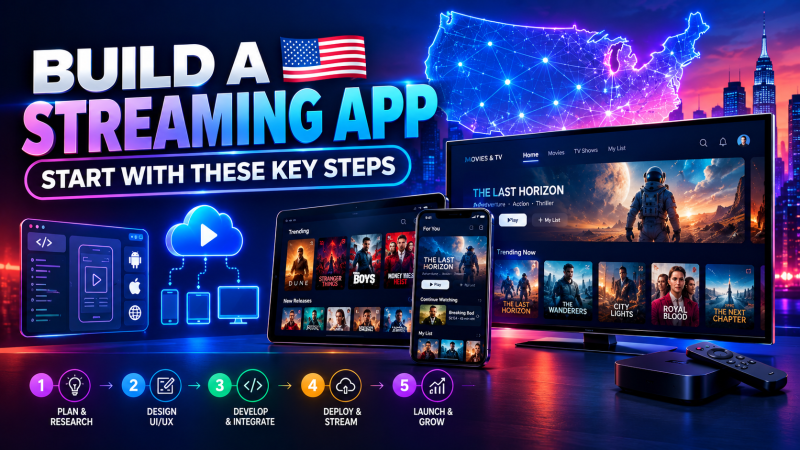
A sportsbook does not exist on just one screen anymore. A user might discover a match on a mobile phone, compare markets on a tablet, and return to a desktop later to review their betting activity. What matters is not which device they choose, but whether the experience remains connected and consistent throughout that journey.
This is why cross-platform compatibility has become a significant consideration in sports betting app development. Operators need applications that can deliver dependable functionality across different devices, operating systems, browsers, and screen sizes. Partnering with an experienced sports betting app development company can help businesses create a unified ecosystem where users can access their accounts, markets, balances, and betting information without experiencing major differences between platforms.
What Is Cross-Platform Compatibility in Sports Betting?
Cross-platform compatibility means designing a sportsbook so that its core functionality works effectively across multiple devices and operating environments. This can include Android and iOS smartphones, tablets, desktop computers, and web browsers.
However, compatibility is about more than simply making a website or application responsive. Features such as account registration, login, odds browsing, bet slips, live betting, payments, notifications, and customer support should function properly across supported platforms.
The visual layout can naturally change depending on the screen size. A smartphone may use a compact navigation menu, while a desktop can display several betting sections simultaneously. Despite these differences, the overall experience should remain familiar to the user.
Why Do Sports Betting Platforms Need Multi-Device Support?
Modern users are not tied to a single device. Their choice can change depending on where they are and what they are doing.
A smartphone may be the preferred option for checking a live match while traveling, whereas a desktop might be more convenient when researching several competitions or betting markets. Tablets can provide another convenient option for users who want a larger display without using a computer.
Supporting these different behaviors allows operators to provide more flexible access to their sportsbook. It can also reduce frustration when customers move from one device to another during the same betting session.
How Does Cross-Platform Compatibility Improve User Experience?
Consistency is one of the biggest advantages of cross-platform development. Users should not have to learn an entirely different interface whenever they change devices.
Navigation, account areas, betting markets, bet slips, and important controls should follow familiar patterns across the sportsbook ecosystem. At the same time, the interface should be optimized for each screen rather than simply shrinking a desktop design onto a mobile display.
Responsive design plays a major role here. Elements need to resize, reposition, and reorganize appropriately so that users can comfortably interact with the platform regardless of their device.
Which Devices and Platforms Should a Sportsbook Support?
The right platform strategy depends on the operator's audience, target markets, budget, and long-term objectives. A business targeting a broad international audience may need to consider several access points from the beginning.
Common environments include:
- Android smartphones and tablets
- iPhones and iPads
- Desktop and laptop computers
- Mobile web browsers
- Desktop web browsers
- Different screen sizes and orientations
The technology architecture should be planned around these requirements before development begins. This can help prevent expensive compatibility problems and redesign work after the sportsbook has already launched.
How Does Cross-Platform Development Affect Performance?
Supporting multiple platforms does not mean compromising application speed. In fact, performance becomes even more important when users access the sportsbook from different devices and network conditions.
Sports betting platforms can handle continuously changing information, including odds, scores, statistics, fixtures, and market availability. If this information loads slowly or becomes inconsistent on certain devices, the overall user experience can suffer.
Developers can improve performance through optimized APIs, efficient data delivery, responsive front-end architecture, caching strategies, and scalable backend infrastructure. Testing should also include different network conditions and device capabilities to identify performance limitations before launch.
Can Cross-Platform Compatibility Improve Live Betting?
Live betting makes cross-platform performance particularly important. During a live sporting event, odds and market information can change quickly. Users expect the application to reflect these changes without unnecessary delays.
Whether someone is using a smartphone while watching a match or a desktop computer at home, the underlying information should remain synchronized.
A cross-platform live betting environment may include:
- Real-time odds updates
- Live scores and match statistics
- In-play betting markets
- Event timelines
- Automated market suspension
- Responsive bet slip updates
These capabilities depend on reliable data infrastructure and efficient communication between the sportsbook's backend and user-facing applications.
How Does Multi-Device Support Affect Account Management?
A sportsbook account should not feel restricted to a particular device. Users generally expect their account information to remain available when they sign in from another supported platform.
For example, account balances, betting history, preferences, and other permitted information should be synchronized through centralized backend systems. This allows users to continue their activity without manually recreating information every time they switch devices.
Security must also remain consistent across platforms. Authentication, session management, identity verification, transaction protection, and account controls need to be implemented carefully regardless of where the user accesses the sportsbook.
What Role Do APIs Play in Cross-Platform Sports Betting?
APIs are an important part of building a connected sportsbook ecosystem. They allow different applications and interfaces to communicate with centralized services rather than requiring each platform to maintain completely separate data systems.
For example, a sportsbook can use a common API infrastructure to deliver fixtures, odds, scores, statistics, and market information to its Android app, iOS app, and web platform. This can make it easier to maintain consistency while reducing unnecessary duplication.
A reliable sports betting api provider can provide access to real-time sports data, betting markets, odds, statistics, and other integrations required by a modern sportsbook. With an API-based architecture, operators can build different user interfaces while maintaining a shared technology foundation.
How Can Operators Maintain a Consistent Design?
Cross-platform compatibility requires a clear design strategy. Operators should establish common interface standards before development begins so that the sportsbook maintains a recognizable identity across different environments.
A shared design system can define navigation patterns, typography, buttons, icons, spacing, and other interface elements. Developers can then adapt these components to different screen dimensions without creating completely unrelated experiences.
Testing is equally important. An application should be evaluated across different smartphones, tablets, operating systems, browsers, and screen resolutions. Real-device testing can reveal usability issues that may not appear during development on a limited set of devices.
What Challenges Can Operators Face With Cross-Platform Development?
Creating a sportsbook for several platforms introduces additional technical requirements. Different operating systems, browsers, hardware configurations, and device capabilities can affect how an application performs.
Some of the challenges operators may need to address include:
- Maintaining consistent interface behavior
- Supporting different screen dimensions
- Optimizing performance across devices
- Handling platform-specific functionality
- Testing multiple browsers and operating systems
- Keeping applications synchronized after updates
These challenges can be reduced through careful architecture, structured testing, reusable components, and a clearly defined development process.
How Can Cross-Platform Compatibility Support Business Expansion?
Cross-platform support can provide operators with greater flexibility when expanding their sportsbook. Instead of building an experience around a single device category, businesses can provide multiple access points to the same ecosystem.
A flexible architecture can also make future expansion easier. As new devices, browsers, technologies, and user preferences emerge, operators can update individual components without necessarily rebuilding the entire sportsbook.
This approach can be particularly useful for businesses planning to enter multiple markets, where customers may have different device preferences and connectivity conditions.
What Should Operators Plan Before Development?
Before beginning development, operators should identify their target audience, supported markets, expected traffic levels, required sportsbook features, regulatory requirements, and preferred platforms.
They should also evaluate whether native applications, cross-platform frameworks, responsive web applications, or a combination of these approaches is most suitable for their business.
The decision should consider performance requirements, development resources, maintenance costs, integration needs, security, and future scalability. Selecting an architecture based solely on short-term development speed can create limitations later.
Conclusion
Cross-platform compatibility is now an important element of creating a flexible and user-focused sports betting application. Users expect their sportsbook experience to remain familiar and connected whether they move between smartphones, tablets, desktops, or browsers.
For operators, the objective should go beyond simply making a betting application available on multiple devices. The platform should provide consistent functionality, synchronized information, responsive performance, secure account access, and reliable live betting capabilities across the entire ecosystem.
With a scalable backend, responsive design, centralized data services, reliable API integrations, and comprehensive device testing, operators can create sports betting platforms that are better prepared for changing user behavior and future technological developments.
Source:
Click for the: Full Story
You might like