Close Menu
 World
World
 Biography
 Health
 Education
 Business
 Lifestyle
 Sports
 Technology
 Animals
 History
 Food
Food
 Religious
 Startups
 Movies
 Politics
 Fashion
 Covid
Covid
 Diet
Diet
 Fitness
 Marketing
 Travel
 Science
 Reviews
 Social media
 Stories
 Facts
Facts
 Art
Art
 Entertainment
Yatin Samra

Technology
Top 12 Factors to Consider Before Building a Streaming App in the USA
 Yatin Samra
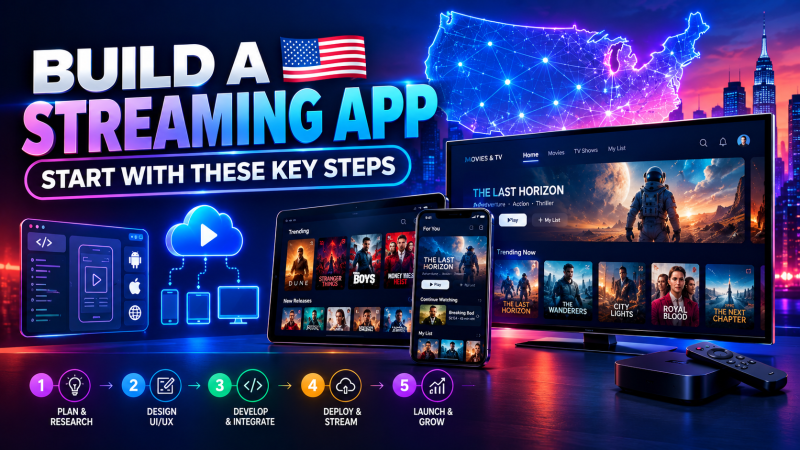
There is an ongoing expansion of streaming into areas including entertainment, education, sports, fitness, corporate content, and even live events. That provides good possibilities for companies looking to create their own digital video solutions. But deciding to develop streaming app is only the first step.
Building a great streaming solution involves making the right choices in terms of content, infrastructure, monetization, UX, security, and scalability. If you plan to target USA customers, those aspects need to be taken into consideration.
Here are 12 key areas to evaluate when planning a streaming platform.
1. Define Your Content Proposition
What makes your streaming service worth using?
Your platform could focus on:
- Movies and TV shows
- Live events
- Sports
- Educational videos
- Fitness content
- User-generated videos
- Industry-specific content
- Original programming
A clearly defined content proposition can guide the rest of the product strategy.
2. Understand Your Audience
Knowing your viewers is essential for designing the right experience.
Consider:
- Age groups
- Viewing habits
- Preferred devices
- Content preferences
- Subscription behavior
- Price sensitivity
- Viewing frequency
For businesses entering the USA market, audience research can also help determine content priorities, pricing, payment options, and distribution channels.
3. Select the Right Monetization Model
How will the platform generate revenue?
Common options include:
Subscription: Users pay monthly or annually for access.
Advertising: Content is offered free or at a lower price while revenue comes from advertisements.
Pay-per-view: Users pay for individual videos, events, or releases.
Hybrid: The platform combines two or more revenue models.
Your monetization approach should align with the type of content and audience you are targeting.
4. Plan Your Video Delivery Infrastructure
Streaming requires specialized technology to deliver video efficiently.
A typical architecture may involve:
- Cloud storage
- Video encoding
- Transcoding
- Content delivery networks
- Adaptive bitrate streaming
- Video players
- Playback monitoring
Choosing the right infrastructure early can help maintain consistent playback quality as the platform grows.
5. Decide Which Devices to Support
Today's viewers may use several devices to access the same service.
Depending on your audience, you may need:
- Web applications
- iOS apps
- Android apps
- Smart TV applications
- Tablets
- Connected TV platforms
A clear device roadmap can prevent unnecessary development complexity during the initial launch.
6. Create an Intuitive Content Discovery System
A large content library is only useful if users can easily find something they want to watch.
Important discovery features can include:
- Search
- Categories
- Filters
- Trending content
- Personalized recommendations
- Watchlists
- Continue-watching functionality
The discovery experience should make it easy for viewers to move from opening the app to watching content.
7. Consider Personalization and AI
Personalization can help streaming services create more relevant experiences.
AI and recommendation technologies may support:
- Content recommendations
- Personalized home screens
- Search assistance
- Viewer segmentation
- Automated metadata
- Content discovery
- Customer support
These capabilities can be introduced progressively rather than becoming a requirement for the first release.
8. Think About OTT Platform Development
A basic streaming app and a complete OTT ecosystem can have very different requirements.
When planning OTT platform development, businesses may need to consider:
- Subscriber management
- Content management
- Payments
- Advertising
- Analytics
- Device management
- Content protection
- Recommendation engines
- Multi-platform delivery
Understanding the desired scope early helps determine the appropriate technical architecture.
9. Protect Content and User Accounts
Streaming services need to protect both digital content and customer information.
Security measures can include:
- User authentication
- Multi-factor authentication
- Encryption
- Access controls
- Digital rights management
- Secure playback
- API security
- Account monitoring
The appropriate security strategy will depend on the platform's content, business model, integrations, and risk profile.
10. Build a Strong Content Management System
Managing a growing video library can become difficult without the right administrative tools.
An effective content management system can help teams:
- Upload videos
- Edit metadata
- Organize categories
- Schedule content
- Manage availability
- Manage users
- Review subscriptions
- Monitor performance
This allows content teams to manage everyday operations without relying on developers for routine changes.
11. Integrate Analytics From the Start
Analytics can help businesses understand how their streaming service is performing.
Useful metrics may include:
- Watch time
- Active users
- Content completion
- Subscriber growth
- Churn
- Playback quality
- Device usage
- Search activity
- Conversion rates
These insights can help teams identify popular content, technical problems, and opportunities to improve the viewer experience.
12. Prepare for Scalability
Streaming demand can change quickly. A popular release or live event can produce a significant increase in concurrent viewers.
Your architecture should be prepared for:
- Higher traffic
- More concurrent streams
- Increased bandwidth
- Larger content libraries
- More API requests
- Additional geographic regions
Cloud infrastructure, CDN services, automated scaling, caching, and performance monitoring can help the platform respond to changing demand.
What Should Your Streaming MVP Include?
A focused MVP can help businesses validate their concept without building every advanced capability at once.
A first release could include:
- User registration and login
- Content catalog
- Search and categories
- Video playback
- User profiles
- Watchlist
- Subscription or payment functionality
- Basic recommendations
- Admin dashboard
- Analytics
Additional capabilities can be introduced based on user feedback and business priorities.
How Can Businesses Prepare for the USA Market?
A streaming platform designed for the USA should consider the needs of its target audience, content rights, payment experience, privacy and security practices, accessibility, customer support, and distribution strategy.
The business model should also be aligned with the type of content being offered and the audience the platform intends to serve.
Planning these factors before development can reduce major changes later and provide a clearer route toward launch.
Final Thoughts
The construction of a streaming service is not limited to just implementing the video player component in the application. Companies should develop their ecosystem, which includes content, technology, users, monetization, analytics, and delivery of secured video.
If you plan to build streaming app technology for the USA, establishing your business model and technical requirements from the very beginning will allow creating a more concentrated product roadmap.
When deciding on developing the OTT platform, the phased approach will give you an opportunity to implement the basic functionality of your product and gradually scale it.
Source:
Click for the: Full Story
You might like