Close Menu
 World
World
 Biography
 Health
 Education
 Business
 Lifestyle
 Sports
 Technology
 Animals
 History
 Food
Food
 Religious
 Startups
 Movies
 Politics
 Fashion
 Covid
Covid
 Diet
Diet
 Fitness
 Marketing
 Travel
 Science
 Reviews
 Social media
 Stories
 Facts
Facts
 Art
Art
 Entertainment
Rajan

Health
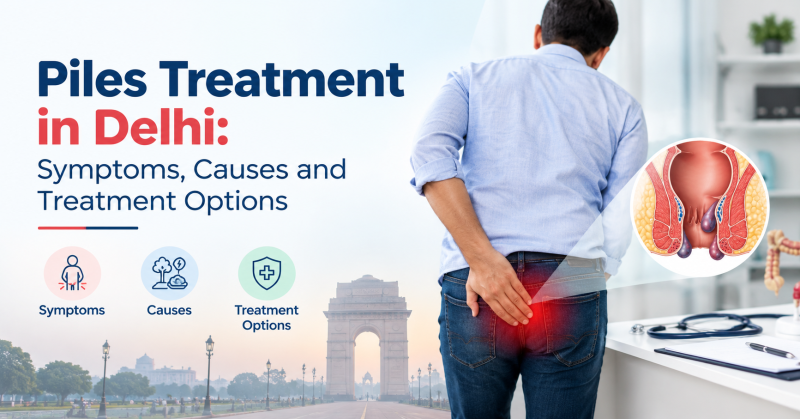
Piles Treatment in Delhi: Symptoms, Causes and Treatment Options
 Rajan
Rajan
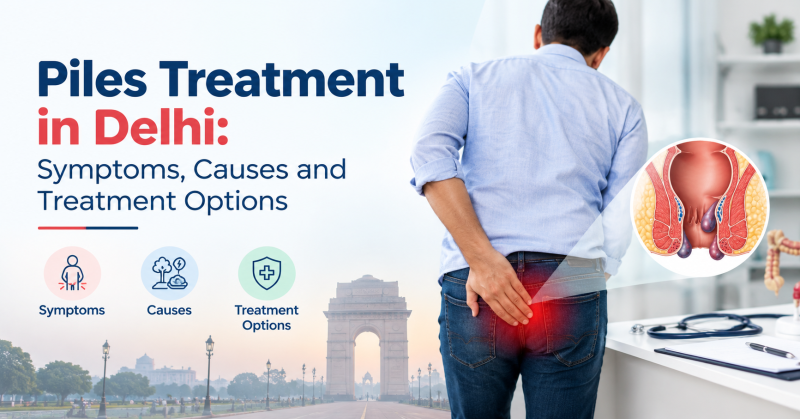
Piles (hemorrhoids) are among the most common anorectal problems, yet many people put off getting help because of embarrassment. Delhi's long commutes, sedentary jobs, spicy food and low fibre intake make the condition especially common. The good news is that most piles respond well to treatment, especially when caught early. If you are searching for the best piles treatment in Delhi, this guide explains what piles are, why they develop, and how the different options work, so you can make an informed decision.
What Are Piles?
Piles are swollen blood vessels in and around the anus and lower rectum. Everyone has these vascular cushions, which help control bowel movements. They become a problem when they enlarge, get inflamed or slip out of position.
Types of Piles
- Internal piles: These form inside the rectum and are usually painless, though they can bleed.
- External piles: These develop under the skin around the anus and can be painful, itchy or visible as lumps.
- Prolapsed piles: Internal piles that push out through the anus, sometimes retracting on their own and sometimes needing to be pushed back.
- Thrombosed piles: External piles in which a blood clot forms, causing sudden, severe pain and a hard lump.
Grades of Internal Piles
Doctors classify internal piles into four grades, which guide treatment decisions:
- Grade I: Swelling inside the rectum, with no prolapse.
- Grade II: Prolapse during a bowel movement, then returns on its own.
- Grade III: Prolapse that must be pushed back manually.
- Grade IV: Permanently prolapsed and cannot be pushed back.
Common Symptoms of Piles
Symptoms vary by type and severity. Watch for:
- Bright red blood on toilet paper, in the stool or in the bowl
- Itching or irritation around the anus
- Pain or discomfort, especially when sitting or passing stool
- A lump or swelling near the anus
- Mucus discharge or a feeling that the bowel hasn't emptied fully
Bleeding should never be assumed to be piles without a proper check. Colorectal conditions, including cancer, can cause similar symptoms, so an examination matters.
What Causes Piles?
Piles develop when pressure builds up in the veins of the lower rectum. Common triggers include:
- Chronic constipation and straining during bowel movements
- Chronic diarrhoea
- A low-fibre diet and inadequate water intake
- Sitting for long periods, including on the toilet
- Obesity
- Pregnancy and childbirth
- Heavy lifting
- Ageing, as supporting tissues weaken over time
- A family history of the condition
When Should You See a Doctor?
Consult a specialist if:
- You notice rectal bleeding, even once
- Symptoms last more than a week despite home care
- Pain is severe or a hard, painful lump appears suddenly
- You feel dizzy or weak, or see heavy or dark bleeding, which needs urgent attention
- You have a change in bowel habits, unexplained weight loss or a family history of colorectal cancer
Piles Treatment Options
Treatment depends on the type, grade and your overall health. Most people start with conservative measures, and surgery is reserved for more advanced cases.
1. Lifestyle and Home Care
For early-stage piles, these steps often bring significant relief:
- Eat 25–30 grams of fibre daily through fruits, vegetables, whole grains and legumes
- Drink plenty of water
- Avoid straining, and don't sit on the toilet for long periods
- Take warm sitz baths for 10–15 minutes a few times a day
- Stay active and avoid prolonged sitting
2. Medications
Doctors may recommend stool softeners, fibre supplements, and topical creams or suppositories to reduce pain, swelling and itching. These ease symptoms but don't cure larger piles.
3. Minimally Invasive Procedures
For persistent or Grade I–III piles, office-based or day-care procedures are common:
- Rubber band ligation: A small band cuts off blood supply to the pile, which then shrinks and falls off.
- Sclerotherapy: A solution injected into the pile causes it to shrivel.
- Infrared coagulation: Heat energy hardens the tissue and reduces the swelling.
- Laser treatment: Laser energy shrinks the pile with typically less discomfort and a shorter recovery.
4. Surgical Treatment
Advanced or recurrent piles may need surgery:
- Hemorrhoidectomy: Surgical removal of the piles, still considered the most definitive option for severe cases.
- Stapled hemorrhoidopexy: A stapling device repositions prolapsed tissue and reduces its blood supply.
- Doppler-guided hemorrhoidal artery ligation (THD): Blood vessels feeding the piles are located with ultrasound and tied off.
How to Choose the Right Piles Treatment in Delhi
Because options range from simple diet changes to surgery, the right approach starts with an accurate diagnosis. A reliable specialist will examine you properly, explain your grade of piles and discuss more than one option, rather than recommending surgery by default.
When comparing clinics, consider the surgeon's experience with anorectal conditions, the range of techniques offered, hospital facilities, transparency about recovery and costs, and patient follow-up. Many people prefer accessibility too, which is why searches like best piles treatment in Central Delhi are popular. Whatever location you choose, it helps to review piles treatment options available in Delhi in detail, understand how each procedure works, and prepare questions before your consultation.
Tips to Prevent Piles from Coming Back
- Keep a high-fibre diet and stay hydrated
- Respond to the urge to pass stool promptly
- Limit toilet time to a few minutes and avoid phone use there
- Exercise regularly, such as brisk walking for 30 minutes a day
- Maintain a healthy weight
- Take short breaks if you have a desk job
Conclusion
Piles are common, treatable and nothing to be embarrassed about. Early symptoms often respond to fibre, fluids and healthier bowel habits, while persistent or advanced cases have effective options ranging from simple procedures to surgery. The best piles treatment in Delhi is the one matched to your diagnosis, delivered by an experienced specialist, and supported by good follow-up care. If you notice bleeding, pain or a lump, don't wait. Get evaluated, understand your options, and choose the path that suits your condition and lifestyle.
Frequently Asked Questions
1. Can piles go away on their own?
Mild piles often improve with diet, hydration and lifestyle changes within a few days to weeks. Persistent, recurring or advanced piles usually need medical treatment.
2. Is piles surgery painful?
Modern techniques, including laser and stapled procedures, generally involve less pain than traditional surgery. Some discomfort is normal, and it is managed with medication. Recovery time varies by procedure.
3. Is rectal bleeding always caused by piles?
No. Piles are a common cause, but fissures, polyps, infections and colorectal cancer can also cause bleeding. Any rectal bleeding should be evaluated by a doctor.
4. Can piles come back after treatment?
Yes. Piles can recur if the underlying causes, such as constipation, low fibre intake or prolonged straining, are not addressed. Lifestyle changes greatly reduce the risk.
5. How long does recovery take?
It depends on the treatment. Minimally invasive procedures often allow a return to normal activities within a few days, while a hemorrhoidectomy may need two to three weeks.
Source:
Click for the: Full Story
You might like