Close Menu
 World
World
 Biography
 Health
 Education
 Business
 Lifestyle
 Sports
 Technology
 Animals
 History
 Food
Food
 Religious
 Startups
 Movies
 Politics
 Fashion
 Covid
Covid
 Diet
Diet
 Fitness
 Marketing
 Travel
 Science
 Reviews
 Social media
 Stories
 Facts
Facts
 Art
Art
 Entertainment
Deepak

Health
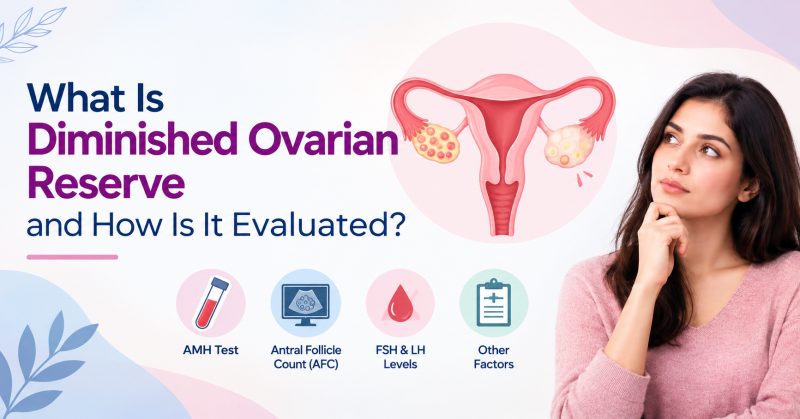
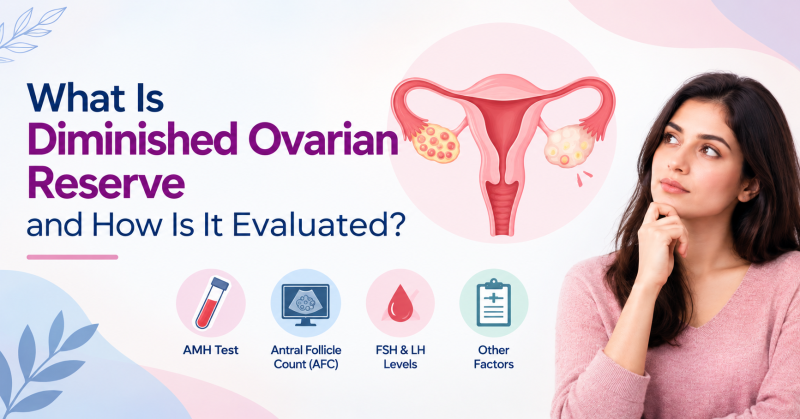
What Is Diminished Ovarian Reserve and How Is It Evaluated?
 Deepak
Hearing the words "diminished ovarian reserve" can be unsettling, especially when you are already hoping to start or grow your family. Many women first come across the term after a fertility report or a scan, and are left with more questions than answers.
This guide explains what diminished ovarian reserve (DOR) means, what may cause it, and how it is evaluated. It is written for women looking for the best female infertility in Delhi care options who want to understand their test results before choosing the next step.
What Is Diminished Ovarian Reserve?
Ovarian reserve refers to the number and quality of eggs remaining in a woman's ovaries. A woman is born with all the eggs she will ever have, and this supply gradually declines with age.
Diminished ovarian reserve means the egg supply is lower than expected for a woman's age. It does not necessarily mean pregnancy is impossible. It means the ovaries may respond differently to natural cycles or fertility medicines, and that timely guidance can matter.
Ovarian reserve and egg quality are related but not identical. Reserve is about quantity, while quality is closely linked to age and is harder to measure directly.
Is Diminished Ovarian Reserve the Same as Menopause?
No. Women with DOR usually still have periods, and many ovulate. Menopause is the end of menstrual cycles, confirmed after 12 months without a period. Premature ovarian insufficiency, which occurs before age 40, is a separate condition that your doctor may consider if reserve is very low.
Possible Causes and Risk Factors
DOR can develop for several reasons. Common contributors include:
- Age: The most important factor, particularly after the mid-thirties
- Previous ovarian surgery: Such as surgery for endometriomas or large cysts
- Endometriosis: Can affect ovarian tissue
- Chemotherapy or pelvic radiation
- Smoking: Linked with earlier decline in egg supply
- Genetic or autoimmune conditions: Sometimes associated with reduced reserve
- Family history: Some women have an earlier decline than their peers
In many cases, no clear cause is found, and this is not the result of anything a woman did or did not do.
Signs That May Point to Diminished Ovarian Reserve
Many women with DOR have no obvious symptoms. Possible clues include:
- Shorter menstrual cycles than before
- Lighter or less predictable periods
- Difficulty conceiving after several months of trying
- Poor response to ovulation medication or IVF stimulation in the past
These signs can also have other causes, which is why proper evaluation matters rather than self-diagnosis.
How Is Ovarian Reserve Evaluated?
There is no single test that gives a complete answer. Doctors usually combine several assessments.
1. Medical History and Age
Your age, cycle pattern, previous surgeries, and treatment history form the starting point. Age remains one of the strongest indicators of both egg quantity and quality.
2. AMH (Anti-Müllerian Hormone) Test
AMH is a blood test that reflects the pool of small growing follicles in the ovaries. It can be done on any day of the cycle. A low AMH suggests lower reserve, but it should be read in context, as levels can vary between laboratories and individuals.
3. Antral Follicle Count (AFC)
This is a transvaginal ultrasound performed early in the cycle. The doctor counts the small follicles visible in each ovary. A low count can support the diagnosis of reduced reserve.
4. FSH and Estradiol
These blood tests are usually done on day 2 or 3 of the cycle. A raised FSH level may suggest the ovaries need more stimulation to produce follicles. Because FSH can fluctuate from cycle to cycle, one result alone is rarely conclusive.
5. Response to Fertility Medication
Sometimes reserve is understood best by how the ovaries respond during treatment. This is why specialists often review earlier cycles when planning next steps.
What Test Results Can and Cannot Tell You
Ovarian reserve tests estimate how the ovaries may respond to stimulation. They do not reliably predict whether a woman will conceive naturally.
Some women with low AMH conceive without treatment, while others with normal values face difficulty because of tubal, uterine, or male-factor issues. That is why a complete fertility evaluation also looks at ovulation, fallopian tubes, uterine health, and the partner's semen analysis.
Treatment and Management Options
There is no proven way to restore eggs once reserve has declined. Care focuses on making the best use of the reserve that exists. Depending on age, test findings, and personal goals, a doctor may discuss:
- Timed intercourse or ovulation tracking, for suitable candidates
- Ovulation induction or IUI in selected cases
- IVF or ICSI, often with individualized stimulation protocols
- Egg or embryo freezing, where appropriate
- Donor egg options, discussed sensitively when other routes are unlikely to work
- Lifestyle support, such as stopping smoking, balanced nutrition, and managing stress
Supplements are often advertised for ovarian reserve, but evidence for most is limited. Review any supplement with your doctor first.
Female Infertility in Delhi: When to Seek Help
Consider a consultation if:
- You are under 35 and have not conceived after 12 months of trying
- You are 35 or older and have been trying for 6 months
- You are over 40 or have concerns about your fertility timeline
- You have had ovarian surgery, chemotherapy, or endometriosis
- Your cycles have become noticeably shorter or irregular
- A previous IVF or IUI cycle produced fewer eggs than expected
For women dealing with female infertility in Delhi, an early assessment often provides clarity and more time to make informed choices. Consulting an infertility specialist in Delhi can help you understand whether DOR is a factor and what your realistic options are.
Care With an Individualized Approach
As a gynecologist and fertility specialist in Delhi, Dr. Poonam Goyal emphasizes understanding each patient's full picture before recommending tests or treatment. This includes reviewing age, history, hormone and scan findings, and personal goals, then explaining options in clear, supportive language.
No evaluation can promise a specific outcome. What it can offer is a realistic understanding of where you stand and a plan built around it.
Key Takeaways
- Diminished ovarian reserve means fewer eggs than expected for age, not the absence of fertility.
- AMH, antral follicle count, and FSH are the most commonly used evaluation tools.
- Test results estimate ovarian response and do not predict pregnancy on their own.
- Earlier consultation gives more time and more options.
This article is for educational purposes and is not a substitute for personal medical advice. Please consult a qualified doctor for guidance specific to you.
Frequently Asked Questions
1. What is diminished ovarian reserve in simple words?
It means the ovaries have fewer eggs than is typical for a woman's age. It can make conceiving take longer or affect how the ovaries respond to fertility medicines, but it does not always mean pregnancy is impossible.
2. Which test is best to check ovarian reserve?
No single test is enough. Doctors commonly combine the AMH blood test, an antral follicle count on ultrasound, and sometimes FSH and estradiol, along with age and history.
3. Can a woman with low AMH get pregnant naturally?
Yes, it can happen. Low AMH indicates reduced reserve, but it does not measure egg quality or rule out natural conception. Individual outcomes vary, so personal guidance is important.
4. Can diminished ovarian reserve be reversed?
There is currently no proven treatment to restore egg numbers. Treatment aims to use the existing reserve effectively, and timely evaluation can help in planning next steps.
5. How do I find the best female infertility care in Delhi for low ovarian reserve?
Look for a qualified gynecologist or infertility specialist in Delhi who explains your test results clearly, tailors the evaluation to your age and history, avoids unrealistic promises, and involves you in every decision about your treatment.
Source:
Click for the: Full Story
You might like