Close Menu
 World
 Biography
 Health
 Education
 Business
 Lifestyle
 Sports
 Technology
 Animals
 History
 Food
 Religious
 Startups
 Movies
 Politics
 Fashion
 Covid
 Diet
 Fitness
 Marketing
 Travel
 Science
 Reviews
 Social media
 Stories
 Facts
 Art
 Entertainment
Rimsha Ceo

Health
Understanding Comprehensive Dental Exams in Brampton
 Rimsha Ceo
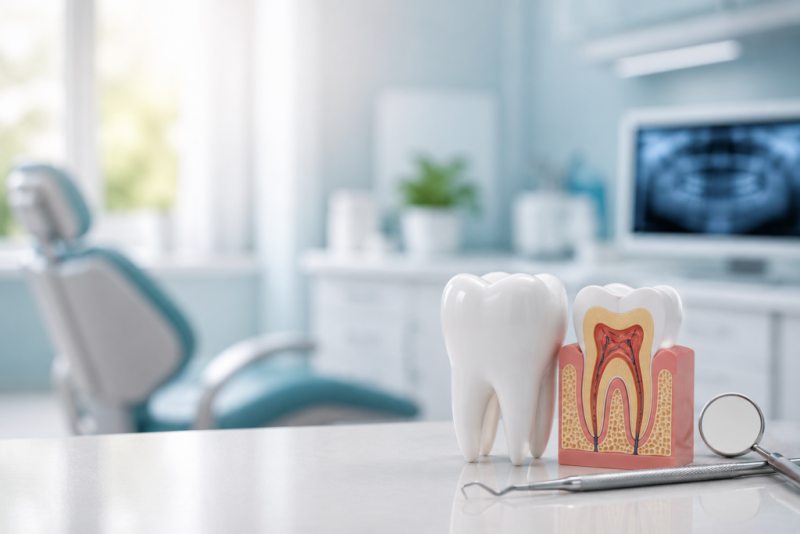
Maintaining good oral health involves more than brushing twice a day and flossing regularly. Even when teeth appear healthy, problems such as cavities, gum disease, and early signs of dental infections can develop without noticeable symptoms. Regular dental assessments help identify these concerns before they become more complicated. Comprehensive Dental Exams in Brampton are an important part of preventive dental care, allowing patients to understand their oral health and make informed decisions about treatment.
A thorough dental examination evaluates different aspects of the mouth, including teeth, gums, bite alignment, and surrounding oral structures. Understanding what happens during these appointments can help patients feel more comfortable and recognize the value of consistent dental care.
What Are Comprehensive Dental Exams?
A comprehensive dental examination is a detailed evaluation of a patient's overall oral health. Unlike a quick visual check, this assessment considers multiple factors that may influence the condition of the teeth, gums, and supporting structures.
During the appointment, a dental professional examines existing dental work, checks for signs of decay, evaluates gum health, and looks for abnormalities that may require further attention. The dentist may also review the patient's dental history, lifestyle habits, and any symptoms they have experienced.
These examinations provide a broader understanding of oral health rather than focusing on a single tooth or immediate concern. They also help establish a baseline that can be used to monitor changes during future appointments.
What Happens During a Comprehensive Dental Examination?
Knowing what to expect can make a dental visit less stressful. Although the exact process depends on individual needs, several important areas are generally considered.
1. Examination of Teeth and Existing Restorations
The dentist carefully checks each tooth for cavities, cracks, enamel damage, and signs of wear. Existing dental restorations, such as fillings, crowns, and bridges, may also be evaluated to determine whether they remain in good condition.
Identifying small concerns early can help prevent more extensive dental problems. For example, treating early tooth decay may require a simpler procedure than addressing advanced damage.
2. Gum Health Assessment
Healthy gums are essential for supporting natural teeth. During the examination, the dentist evaluates the gum tissue for redness, swelling, bleeding, and recession.
They may also measure the spaces between the teeth and gums to check for periodontal pockets. These measurements help identify possible signs of gum disease and determine whether additional periodontal care is necessary.
3. Dental X-Rays When Necessary
Visual examinations do not always reveal problems developing beneath the surface. Depending on the patient's dental history and clinical needs, dental X-rays may be recommended.
These images can help identify hidden cavities, bone changes, infections, impacted teeth, and other conditions that may not be visible during a routine examination.
X-rays are not automatically required at every appointment. Their use depends on individual circumstances and professional recommendations.
4. Bite and Jaw Evaluation
The way upper and lower teeth come together can influence everyday activities such as chewing and speaking. A dentist may examine the patient's bite alignment and look for signs of teeth grinding, jaw discomfort, or uneven tooth wear.
Identifying these issues can help determine whether further evaluation or treatment would be beneficial.
Why Are Regular Dental Examinations Important?
Preventive dental care plays an important role in maintaining healthy teeth and gums. Many oral health conditions develop gradually, making early detection particularly valuable.
Some of the main benefits include:
- Early problem detection: Identifying cavities, gum inflammation, and other concerns before they progress.
- Improved gum health: Monitoring gum tissue and recognizing potential periodontal problems.
- Protection of natural teeth: Addressing dental damage before it becomes more extensive.
- Personalized recommendations: Receiving guidance based on individual oral health needs.
- Long-term monitoring: Comparing examination findings over time to identify changes.
Regular assessments also give patients an opportunity to discuss concerns such as tooth sensitivity, persistent bad breath, bleeding gums, or discomfort when chewing.
How Often Should You Schedule a Dental Examination?
The ideal frequency of dental visits varies from person to person. Some individuals benefit from examinations every six months, while others may need more frequent monitoring because of gum disease, recurring cavities, existing dental conditions, or other risk factors.
A dentist can recommend an appropriate schedule after reviewing the patient's oral health history and current condition.
It is also important not to wait for pain before scheduling an appointment. Tooth decay and gum disease can progress without causing noticeable discomfort during their early stages. Consistent assessments help identify potential issues when they may be easier to manage.
How to Prepare for Your Dental Appointment
A little preparation can make a comprehensive dental examination more productive. Patients can take a few simple steps before visiting their dentist.
First, make a note of any recent changes in oral health, including sensitivity, bleeding, discomfort, or changes in bite alignment. Sharing these details helps the dentist understand potential concerns.
It is also useful to provide information about medications, previous dental treatments, and relevant medical history. Patients should mention any dental anxiety or questions they have about recommended procedures.
Maintaining regular brushing and flossing habits is equally important. These daily practices support professional dental care and help maintain healthier teeth and gums between appointments.
Choosing a Dental Practice for Ongoing Care
Building a consistent relationship with a dental practice can make preventive care easier to maintain. Patients should look for a team that explains examination findings clearly, discusses available treatment options, and considers individual oral health needs.
For those exploring general dental services, Hunt Dentistry provides information about its comprehensive examination services and the role of detailed assessments in maintaining oral health.
Clear communication is an important part of the experience. Patients should feel comfortable asking questions, understanding recommendations, and discussing any concerns before proceeding with treatment.
Conclusion
Healthy teeth and gums require consistent attention, not just occasional treatment when problems arise. Comprehensive Dental Exams in Brampton help patients understand their oral health, identify potential concerns early, and receive recommendations suited to their individual needs.
By combining professional dental assessments with good daily hygiene habits, individuals can take a proactive approach to protecting their natural teeth and maintaining long-term oral wellness. Scheduling regular examinations is a practical step toward a healthier, more confident smile.
Source:
Click for the: Full Story
You might like