Close Menu
 World
 Biography
 Health
 Education
 Business
 Lifestyle
 Sports
 Technology
 Animals
 History
 Food
 Religious
 Startups
 Movies
 Politics
 Fashion
 Covid
 Diet
 Fitness
 Marketing
 Travel
 Science
 Reviews
 Social media
 Stories
 Facts
 Art
 Entertainment
Rajan

Health
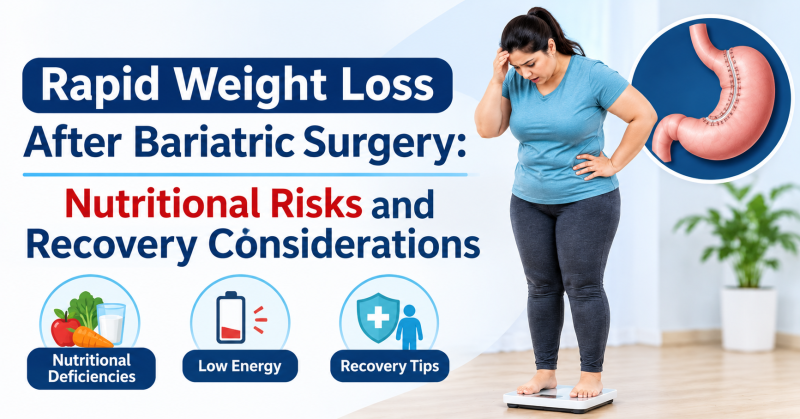
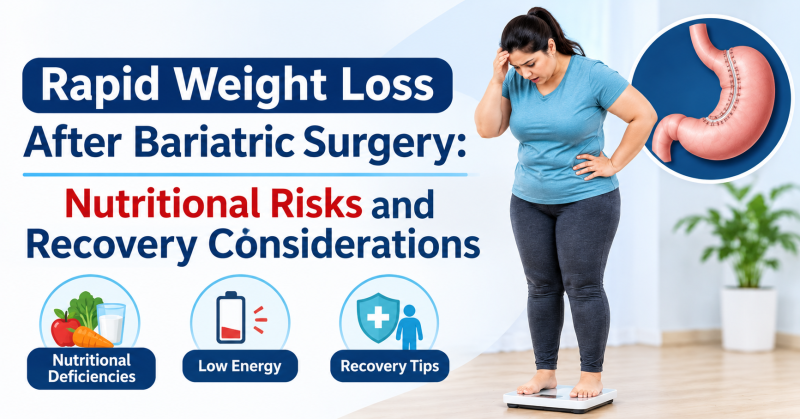
Rapid Weight Loss After Bariatric Surgery: Nutritional Risks and Recovery Considerations
 Rajan
Watching the scale drop quickly after bariatric surgery is encouraging, and most patients celebrate it. But the body is also under stress during these months. It is healing from an operation, eating far less than before, and sometimes absorbing nutrients differently. Fast weight loss is expected, yet it needs to be supported with the right nutrition and monitoring. Whether you are planning surgery or looking for the best bariatric surgeon in Central Delhi for follow-up care, knowing what happens inside your body during this phase can help you recover safely.
Why Weight Comes Off So Quickly
After procedures such as sleeve gastrectomy or gastric bypass, the stomach holds much less food, and hunger and fullness signals change. Most patients lose weight fastest in the first three to six months. Some of this is a planned outcome of surgery. The concern is not speed alone, but whether the body is getting enough protein, vitamins, minerals and fluids while it happens.
What "Too Fast" Can Mean
There is no single number that defines unsafe weight loss for everyone. Pace varies with procedure, starting weight and overall health. Warning flags include:
- Weight loss accompanied by weakness, dizziness or constant fatigue
- Being unable to eat adequate protein or drink enough fluids
- Rapid hair shedding
- Muscle loss, noticeable as reduced strength
- Persistent vomiting or food intolerance
If any of these appear, it is a signal to contact your bariatric team rather than wait for the next scheduled visit.
Key Nutritional Risks After Bariatric Surgery
RiskWhy it happensWhat patients may noticeProtein deficiencySmall portions, food intolerance, reduced appetiteFatigue, muscle loss, hair thinning, slow wound healingIron deficiency and anaemiaLess stomach acid, reduced absorption, lower intakeTiredness, breathlessness, pale skinVitamin B12 deficiencyLess acid and intrinsic factor, especially after bypassNumbness or tingling, memory problems, weaknessCalcium and vitamin D deficiencyReduced absorption and intakeBone and muscle aches; long-term bone thinningThiamine (vitamin B1) deficiencyProlonged vomiting or very poor intakeConfusion, unsteady walking, vision changes (a medical emergency)DehydrationDifficulty sipping enough fluidsDizziness, dark urine, headache, kidney strainFolate, zinc and other micronutrientsLow variety and altered absorptionHair loss, mouth sores, poor immunity
These deficiencies are largely preventable. Lifelong vitamin and mineral supplements, regular blood tests and a protein-focused diet are standard parts of care after most bariatric procedures.
Other Effects of Rapid Weight Loss
Hair loss. Temporary shedding is common, often appearing a few months after surgery. It is frequently linked to the physical stress of surgery, rapid weight loss and low protein or micronutrient levels. It usually improves as nutrition stabilises, but persistent or heavy loss deserves a blood test.
Gallstones. Rapid weight loss changes bile composition and can increase the chance of gallstones. Many remain silent, but some cause pain in the upper right abdomen, nausea or vomiting. Your surgeon will advise whether preventive measures make sense in your case.
Loose skin. Skin may not shrink as quickly as the body. Gradual loss, strength training and adequate protein can help, although some patients later consider body-contouring surgery.
Mood and emotional changes. Changes in food habits, body image and social routines can be unsettling. Counselling or support groups are a sensible part of recovery, not a sign of weakness.
Dumping syndrome. After bypass, sugary or very rich foods can cause sweating, cramps, palpitations and diarrhoea. Following dietary guidance usually prevents it.
Practical Recovery Considerations
Recovery is guided by your surgeon and dietitian, but the following principles are widely recommended:
- Prioritise protein at every meal. Eat protein first, then vegetables, then other foods. Your dietitian will set a daily target suited to you.
- Sip fluids steadily through the day. Avoid drinking with meals if advised, and avoid fizzy and sugary drinks.
- Take supplements exactly as prescribed. A multivitamin, calcium with vitamin D, vitamin B12 and often iron are commonly advised, but doses differ between patients and procedures.
- Progress diet stages carefully. Liquids, then pureed, then soft, then regular textures, as instructed.
- Eat slowly and chew thoroughly. This reduces vomiting and discomfort.
- Stay active. Begin with walking, then add resistance exercise when cleared, to protect muscle.
- Keep every follow-up appointment. Blood tests commonly check haemoglobin, iron, B12, vitamin D, calcium and other markers, usually at regular intervals in the first year and then at least yearly. Your team will set the exact schedule.
When to Seek Medical Help Urgently
Contact your doctor promptly, or go to an emergency department, if you experience:
- Vomiting that persists for more than a day or prevents you keeping fluids down
- Confusion, severe weakness or trouble walking
- Severe or worsening abdominal pain
- Fever, chest pain or breathlessness
- Fainting or very little urine
- Numbness, tingling or vision changes
Choosing a Team That Looks After You Beyond the Operation
Good bariatric care does not end when you leave the operating theatre. Look for a programme that includes a dietitian, regular blood monitoring, access to a physician and psychological support, and a surgeon who explains the risks as openly as the benefits. Patients comparing options for the best bariatric surgeon in Delhi should ask specifically how nutritional follow-up is organised and what the long-term plan looks like. In the Rajinder Nagar area, Dr. Tarun Mittal, a surgeon with over 20 years of experience, practises at Sir Ganga Ram Hospital, Old Rajendra Nagar, New Delhi – 110060, and patients can consult him about procedure choice and post-operative nutritional care. Anyone searching for the best bariatric surgeon in Central Delhi will find that a clear aftercare plan matters as much as surgical skill.
Conclusion
Rapid weight loss is a normal part of the bariatric journey, but it works best when matched with careful nutrition, supplements, hydration and regular blood monitoring. Most nutritional complications are preventable and treatable when caught early. If you are looking for the best bariatric surgeon in Central Delhi or anywhere in Delhi, choose a team that treats follow-up care as seriously as the operation itself.
Disclaimer: This article is for general information only and does not replace professional medical advice. Please consult a qualified doctor for guidance specific to your condition.
Frequently Asked Questions
1. Is it normal to lose weight very fast after bariatric surgery?
Yes, rapid loss in the first few months is expected. It becomes a concern when it comes with weakness, vomiting, dehydration or inability to meet protein needs. Always report these symptoms to your team.
2. Why am I losing hair after bariatric surgery?
Temporary hair shedding is common in the first months and is usually linked to surgical stress, rapid weight loss and low protein or micronutrient levels. It typically improves with adequate nutrition. If it is severe or prolonged, ask for blood tests.
3. Do I need supplements for life after bariatric surgery?
Most patients do, particularly after bypass procedures, and often after sleeve gastrectomy too. The exact combination depends on the surgery and your blood results, so follow your bariatric team's plan rather than choosing products on your own.
4. Can rapid weight loss cause gallstones?
Yes, it can raise the likelihood. Many gallstones cause no symptoms, but pain in the upper right abdomen, especially after meals, should be evaluated.
5. How can I protect muscle while losing weight?
Meet your daily protein target, stay hydrated, and add resistance exercise once your surgeon clears you. Regular body-composition or strength check-ins can help track progress.
Source:
Click for the: Full Story
You might like