Close Menu
 World
World
 Biography
 Health
 Education
 Business
 Lifestyle
 Sports
 Technology
 Animals
 History
 Food
Food
 Religious
 Startups
 Movies
 Politics
 Fashion
 Covid
Covid
 Diet
Diet
 Fitness
 Marketing
 Travel
 Science
 Reviews
 Social media
 Stories
 Facts
Facts
 Art
Art
 Entertainment
Deepak

Health
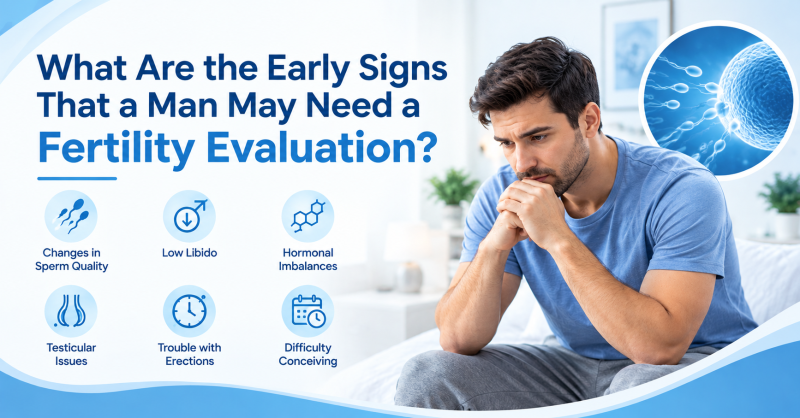
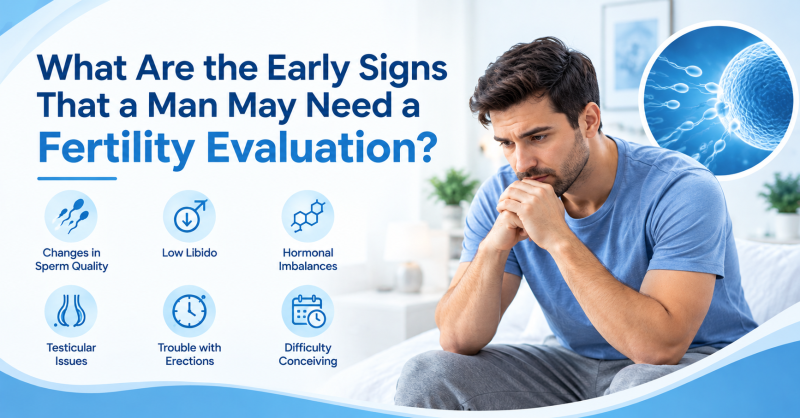
What Are the Early Signs That a Man May Need a Fertility Evaluation?
 Deepak
Fertility concerns are often associated with women, but male reproductive health plays an equally important role in a couple's ability to conceive. Many men, however, are unaware of the early signs that may indicate an underlying fertility issue, simply because these signs can be subtle or easy to dismiss.
Recognizing these signs early can help avoid unnecessary delays and allow couples to seek guidance sooner rather than later. As specialists who regularly guide patients on male fertility in Delhi, we've outlined the key indicators that may suggest it's time for a fertility evaluation.
Why Early Recognition Matters
Many fertility-related conditions in men develop gradually and don't cause obvious symptoms until they've been present for some time. Because of this, some men only consider an evaluation after months or years of trying to conceive without success.
Identifying early warning signs allows for:
- Timely diagnosis of treatable conditions
- More treatment options, since some issues are easier to manage when caught early
- Reduced emotional and financial strain associated with prolonged, unexplained infertility
- A clearer, more coordinated fertility plan for both partners
Key Early Signs to Watch For
1. Difficulty Conceiving After 12 Months of Trying
One of the clearest indicators is when a couple has been trying to conceive for 12 months (or 6 months if the female partner is over 35) without success. While this doesn't automatically mean there's a male fertility issue, it's a signal that both partners should be evaluated.
2. Changes in Sexual Function
Certain changes may point toward hormonal or vascular issues that can also affect fertility, such as:
- Difficulty achieving or maintaining an erection
- Reduced sexual desire or libido
- Issues with ejaculation, including reduced volume
These symptoms are worth discussing with a specialist, even if they seem unrelated to fertility at first.
3. Testicular Pain, Swelling, or Changes in Size
Physical changes in the testicles can sometimes indicate an underlying issue affecting sperm production, including:
- A dull ache or heaviness in the scrotum
- Noticeable swelling, often associated with a varicocele
- One testicle appearing smaller than the other over time
These symptoms should not be ignored, as some conditions are more effectively addressed when identified early.
4. History of Testicular Injury, Surgery, or Infection
Men who have previously experienced any of the following may be at higher risk for fertility issues and should consider an evaluation, even without current symptoms:
- Undescended testicle during childhood
- Testicular trauma or injury
- Surgery involving the groin or reproductive organs
- Mumps infection after puberty
- Sexually transmitted infections
5. Hormonal Signs
Since hormones play a central role in sperm production, certain physical changes may be worth discussing with a doctor, such as:
- Reduced facial or body hair growth
- Unexplained fatigue
- Changes in muscle mass or body composition
- Gynecomastia (enlarged breast tissue)
6. Lifestyle and Occupational Risk Factors
While not symptoms in themselves, certain factors increase the likelihood of fertility issues and may prompt a proactive evaluation:
- Smoking or heavy alcohol use
- Prolonged exposure to high heat (such as certain occupational settings)
- Exposure to chemicals, pesticides, or radiation
- Obesity or significant, unexplained weight changes
- Chronic stress or poor sleep patterns
7. Family History of Fertility Issues
A family history of infertility, genetic conditions, or early menopause in female relatives may also be relevant, as some fertility-related conditions can have a genetic or hereditary component.
What Happens If You Notice These Signs?
If you recognize one or more of these signs, the next step is a fertility evaluation, which typically includes:
- A detailed medical and lifestyle history
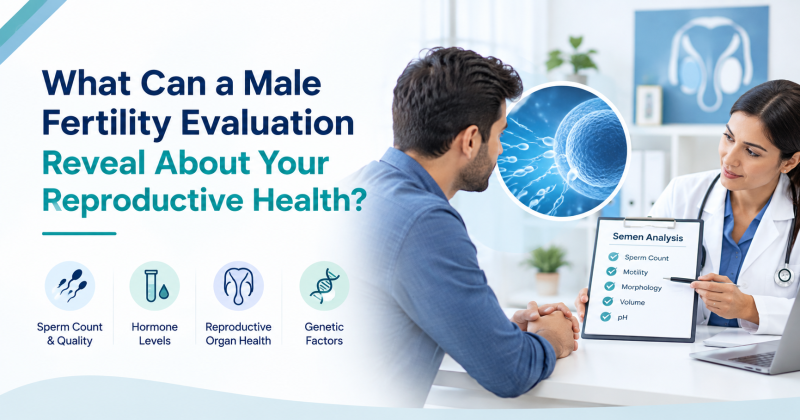
- Semen analysis to assess sperm count, motility, and morphology
- Hormonal blood tests
- A physical examination
- Additional testing if initial results suggest the need for further investigation
This structured approach helps identify whether a specific issue is present and what treatment options, if any, may be appropriate.
The Importance of a Coordinated Fertility Evaluation
Because fertility involves both partners, it's important that male fertility concerns are addressed alongside a thorough evaluation of the female partner. Couples often search for the best obstetrics and gynecology in Delhi that also offers integrated fertility care, where both partners can be assessed together rather than treating fertility as a one-sided concern.
This coordinated approach allows for a more accurate understanding of what may be affecting conception and helps avoid unnecessary or misdirected treatment.
When to Seek Professional Guidance
You don't need to wait for a full year of difficulty conceiving to seek advice. Consider consulting a fertility specialist if you notice any of the signs mentioned above, have a relevant medical history, or simply want a baseline assessment of your reproductive health before starting a family.
Dr. Poonam Goyal works with couples to evaluate both male and female fertility factors, helping patients understand their reproductive health and make informed decisions about next steps. Recognizing early signs and seeking guidance on best male fertility in Delhi at the right time can make a meaningful difference in how quickly underlying issues are identified and addressed.
FAQs
1. Can a man have normal sexual function but still have a fertility issue?
Yes. Sperm production and sexual function are related but separate processes. A man can have normal erections and ejaculation while still having low sperm count or poor sperm quality, which is why semen analysis is important.
2. Is testicular pain always a sign of infertility?
Not necessarily, but persistent pain, swelling, or changes in testicular size should be evaluated, as some underlying causes, like varicocele, can affect fertility.
3. Does age affect male fertility the same way it affects female fertility?
Male fertility can also decline with age, though typically more gradually than female fertility. Age-related changes in sperm quality can still be a contributing factor for couples trying to conceive.
4. Should both partners get evaluated at the same time?
Yes, in most cases. Since fertility involves both partners, evaluating both together provides a more accurate and complete picture, helping guide the right course of action.
5. Can lifestyle changes improve male fertility?
In some cases, yes. Reducing smoking and alcohol use, managing weight, avoiding excessive heat exposure, and managing stress may help improve certain fertility parameters, though results vary by individual and underlying cause.
Source:
Click for the: Full Story
You might like