Close Menu
 World
 Biography
 Health
 Education
 Business
 Lifestyle
 Sports
 Technology
 Animals
 History
 Food
 Religious
 Startups
 Movies
 Politics
 Fashion
 Covid
 Diet
 Fitness
 Marketing
 Travel
 Science
 Reviews
 Social media
 Stories
 Facts
 Art
 Entertainment
Flathead Dental Implant Arts

Health
What Patients Should Know About Recovery After Palatal Implant Placement
 Flathead Dental Implant Arts
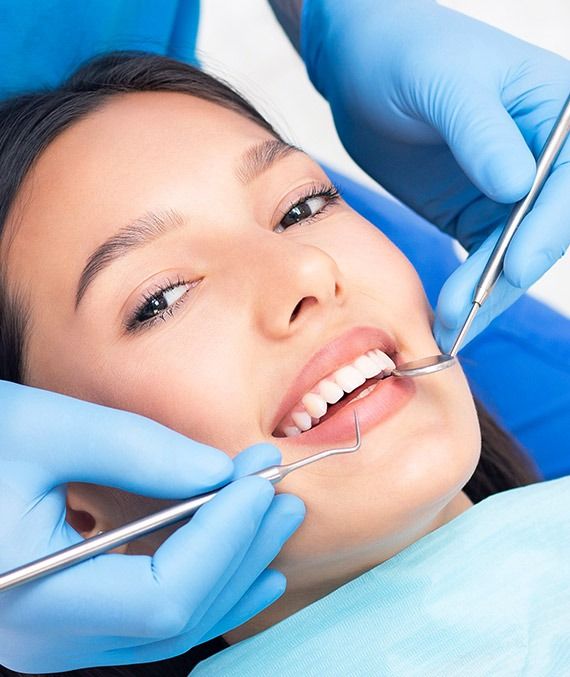
Palatal implant placement is a specialized orthodontic procedure that can help improve tooth movement and support treatment goals. Although the procedure is generally straightforward, understanding the recovery process can make patients feel more comfortable and prepared. What should patients expect after placement, and how can they protect the healing area while returning to their normal routines?
Understanding the Initial Healing Period
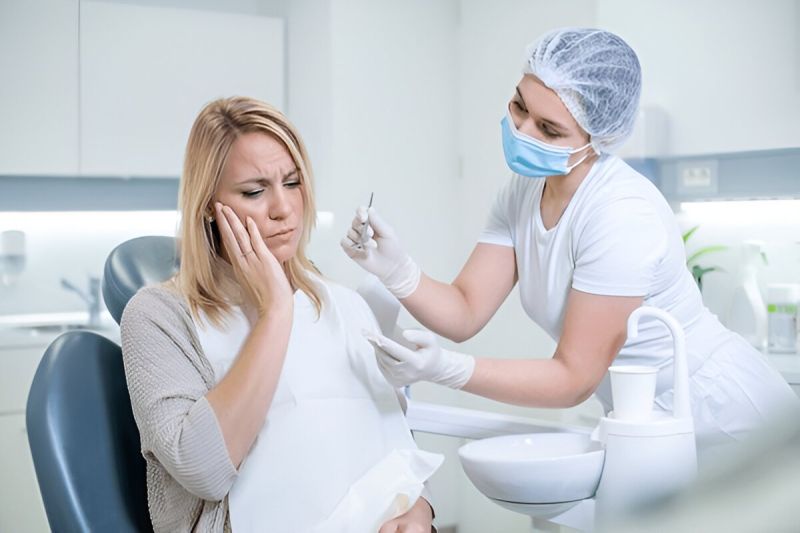
The first few days after palatal implant placement are important for allowing surrounding tissues to begin healing. Patients may experience mild soreness, tenderness, or slight swelling around the insertion site. These symptoms are typically temporary and gradually improve.
When discussing treatment options with a provider offering Kalispell dental implant services, patients should understand that palatal implants used for orthodontic anchorage differ from conventional dental implants designed to replace missing teeth. Their purpose, placement location, and recovery expectations are different.
Following the procedure, some patients may notice discomfort when eating or speaking. This usually improves as the mouth adjusts to the new appliance.
Managing Discomfort After Placement
Mild discomfort can often be managed with medications recommended by the treating provider. Patients should follow the prescribed instructions rather than independently increasing medication doses.
Applying a cold compress externally during the first day may help reduce swelling. Soft foods such as yogurt, scrambled eggs, mashed potatoes, and smoothies can make eating more comfortable during the initial recovery period.
Avoiding hard, crunchy, sticky, or very hot foods can help prevent unnecessary irritation around the surgical site. Patients should also avoid touching the implant repeatedly with their tongue or fingers.
Maintaining Proper Oral Hygiene
Keeping the mouth clean is essential for reducing the risk of infection and supporting tissue healing. Patients should carefully brush their teeth while avoiding excessive pressure directly around the implant site.
Depending on the treatment plan, a provider may recommend a specific mouth rinse or additional cleaning instructions. Gentle rinsing can help remove food particles without disturbing the healing tissues.
Patients receiving palatal anchorage implants in Kalispell treatment should pay particular attention to cleaning around the anchorage device. Food accumulation and plaque buildup may irritate nearby tissues and contribute to inflammation.
Returning to Normal Activities
Most patients can resume light daily activities relatively soon after placement. However, strenuous exercise may need to be postponed briefly, depending on the procedure and individual healing response.
Patients should avoid activities that could accidentally injure the implant area. Following the recommended dietary restrictions and maintaining good oral hygiene can make the recovery process smoother.
A Kalispell dental implant consultation may also provide an opportunity to discuss how the implant will be used during orthodontic treatment and what adjustments may occur after healing.
Recognizing Signs That Require Attention
Although mild tenderness is common, certain symptoms should not be ignored. Increasing pain, persistent swelling, unusual bleeding, pus, fever, or noticeable implant mobility may indicate a problem.
Patients should contact their treating provider promptly if symptoms worsen instead of improving. Early evaluation can help identify complications and prevent additional irritation or disruption to treatment.
During palatal anchorage implants in kalispell, regular follow-up appointments are important for checking implant stability, tissue health, and orthodontic progress.
Conclusion
Recovery after palatal implant placement generally involves manageable discomfort, careful oral hygiene, and temporary adjustments to eating and daily activities. Following professional instructions and attending scheduled appointments can support comfortable healing and successful orthodontic treatment. Understanding these recovery expectations helps patients approach the procedure with greater confidence and maintain healthy habits throughout their treatment journey.
Source:
Click for the: Full Story
You might like