Close Menu
 World
 Biography
 Health
 Education
 Business
 Lifestyle
 Sports
 Technology
 Animals
 History
 Food
 Religious
 Startups
 Movies
 Politics
 Fashion
 Covid
 Diet
 Fitness
 Marketing
 Travel
 Science
 Reviews
 Social media
 Stories
 Facts
 Art
 Entertainment
Modesto Dentistry

Health
Why Denture Adhesives Should Not Replace Proper Denture Fit
 Modesto Dentistry
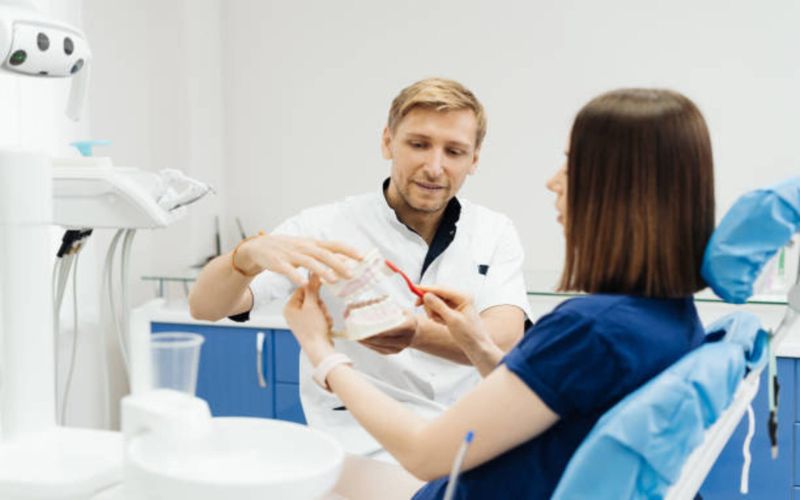
Denture adhesives can provide additional stability and confidence for people who wear removable dentures. They help reduce movement during speaking, eating, and everyday activities. However, relying on adhesives to compensate for poorly fitting dentures can create problems over time. Understanding the difference between temporary support and proper denture fit helps patients protect their oral health and maintain comfortable function.
Understanding the Purpose of Denture Adhesives
Denture adhesives are designed to improve retention and provide an additional layer of security for properly fitted dentures. They may help reduce food particles from entering beneath the denture and minimize minor movement during daily activities.
For patients seeking guidance from a trusted dentist in Modesto, understanding the intended role of adhesives is an important part of maintaining comfortable denture use. Adhesives should complement an appropriate fit rather than compensate for looseness, instability, or structural problems.
Why Proper Denture Fit Matters
A well-fitting denture distributes pressure across the supporting tissues more evenly. This helps reduce irritation, discomfort, and excessive pressure on specific areas of the gums.
When dentures become loose, they may move during chewing or speaking. This movement can create friction, sore spots, and difficulty maintaining normal eating habits. Over time, changes in the jawbone and gum tissues can affect how dentures sit in the mouth.
Regular evaluations help identify these changes and determine whether adjustments, relining, or replacement may be necessary.
Problems Caused by Overusing Denture Adhesives
Using excessive adhesive to stabilize loose dentures may temporarily improve retention, but it does not correct the underlying fit problem.
Potential concerns include:
- Gum irritation: Excessive movement and pressure can contribute to sore tissues.
- Difficulty chewing: Unstable dentures may interfere with biting and grinding food comfortably.
- Uneven pressure: Poorly fitting dentures can concentrate force on specific areas of the mouth.
- Reduced awareness of fit problems: Adhesives may temporarily conceal changes that require professional attention.
- Hygiene challenges: Improper adhesive removal can leave residue on dentures and oral tissues.
Patients wearing dentures in Modesto should understand that increasing adhesive amounts is not a reliable long-term solution for persistent looseness.
Recognizing When Dentures Need Adjustment
Several signs may indicate that dentures require professional evaluation rather than additional adhesive.
These include frequent slipping while speaking, difficulty eating certain foods, recurring gum soreness, clicking sounds during conversation, and noticeable changes in how dentures feel.
Even dentures that previously fit comfortably can become unstable as the supporting bone and soft tissues gradually change. Periodic assessments help determine whether the existing denture remains appropriate.
Alternatives to Depending on Adhesives
When dentures become loose, several treatment options may help restore comfort and stability.
Denture adjustments: Minor modifications can improve contact with supporting tissues and reduce pressure points.
Denture relining: Adding material to the fitting surface can help accommodate changes in gum contours.
Denture replacement: Severely worn, damaged, or poorly fitting dentures may require a new appliance designed for current oral conditions.
Implant-supported dentures: Dental implants can provide additional retention for eligible patients, helping reduce movement during everyday activities.
The appropriate option depends on oral health, bone availability, comfort concerns, and individual treatment goals.
Maintaining Comfort and Stability
Proper denture care involves cleaning the appliance daily, removing adhesive thoroughly, and allowing gum tissues to rest according to professional recommendations. Patients should also avoid using household glues or increasing adhesive quantities beyond product instructions.
Conclusion
Denture adhesives can support everyday comfort, but they cannot replace properly fitted dentures. Addressing looseness early helps protect oral tissues, improve chewing comfort, and maintain confidence during daily activities. Regular evaluations and appropriate adjustments remain essential for long-term denture function.
Source:
Click for the: Full Story
You might like