Close Menu
 World
World
 Biography
 Health
 Education
 Business
 Lifestyle
 Sports
 Technology
 Animals
 History
 Food
Food
 Religious
 Startups
 Movies
 Politics
 Fashion
 Covid
Covid
 Diet
Diet
 Fitness
 Marketing
 Travel
 Science
 Reviews
 Social media
 Stories
 Facts
Facts
 Art
Art
 Entertainment
Deepak

Health
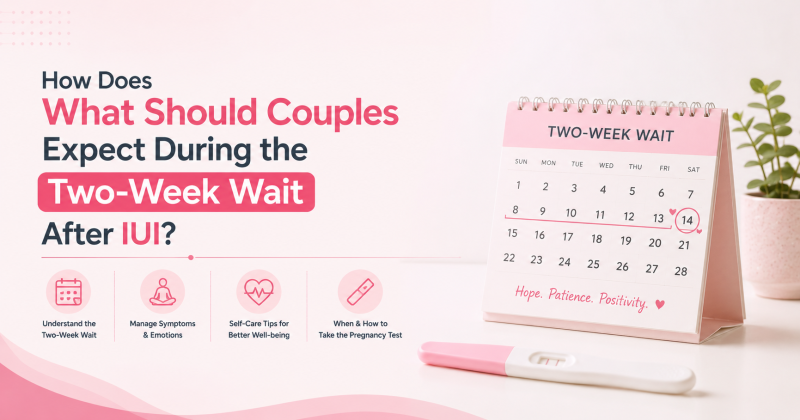
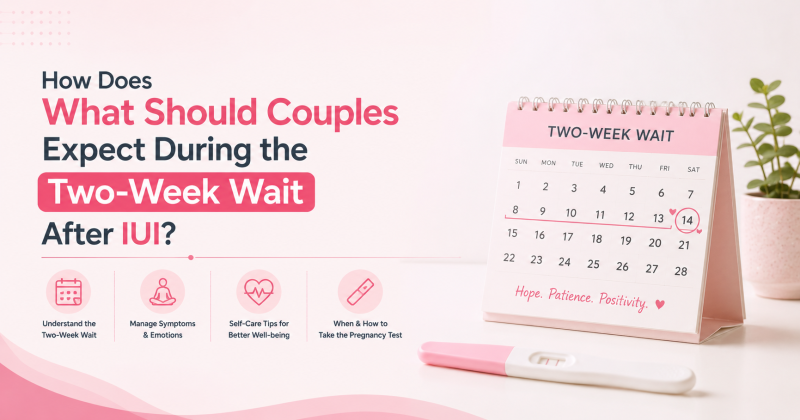
What Should Couples Expect During the Two-Week Wait After IUI?
 Deepak
The days after an intrauterine insemination (IUI) can feel longer than the entire treatment cycle. The procedure itself is brief, but the wait that follows is full of questions. Is every twinge a sign? Should you rest? When should you test?
This guide explains what typically happens during the two-week wait, what is normal, and when to contact your doctor. It is meant for couples undergoing IUI treatment in Delhi or anywhere else who want clear, realistic information.
What Is the Two-Week Wait After IUI?
The two-week wait (often shortened to "TWW") is the period between the IUI procedure and the day a pregnancy test can reliably show a result. It is usually about 14 days, though your doctor will give you a specific date.
During this time, several things may be happening inside the body:
- Sperm may fertilise an egg, usually within about a day of ovulation
- A fertilised egg travels towards the uterus
- The embryo may attach to the uterine lining (implantation), generally within several days
- The body begins producing pregnancy hormone, which a test can detect once levels rise
Not every cycle leads to pregnancy, and nothing you do or fail to do in these days determines the outcome.
What Happens Right After the IUI Procedure?
IUI is usually quick and done in the clinic without anaesthesia. Many women resume normal activities soon afterwards, though your doctor may suggest resting briefly.
You may notice:
- Mild cramping, similar to period discomfort
- Light spotting
- A feeling of heaviness or bloating, especially if ovulation-stimulating medicines were used
These are commonly reported and usually settle on their own. Always follow the specific instructions given by your fertility specialist, as they can vary from case to case.
Medicines During the Wait
Some women are advised to take progesterone or other supportive medication after IUI. Whether you need it depends on your individual situation and your doctor's judgment.
Practical tips:
- Take medicines exactly as prescribed, at the same time each day
- Do not stop or adjust doses without speaking to your doctor
- Remember that these medicines can cause bloating, breast tenderness, or mood changes. These effects are not reliable signs of pregnancy
Symptoms: What Is Normal and What Is Not Reliable
This is where many couples get anxious. Early pregnancy and an approaching period can feel very similar, particularly when progesterone is involved.
Symptoms that may or may not occur:
- Mild cramps
- Breast tenderness
- Fatigue
- Light spotting
- Nausea
The honest answer is that none of these can confirm or rule out pregnancy. Some women have strong symptoms and a negative test. Others feel nothing and later test positive. It helps to avoid reading too much into every sensation.
Daily Life During the Two-Week Wait
Activity and Rest
Bed rest is generally not required. Gentle routine activity, such as walking and normal household or office work, is usually fine. Avoid strenuous exercise or heavy lifting if your doctor has advised against it.
Intercourse
Advice varies. Some doctors say it is fine; others suggest brief abstinence. Ask your doctor so you are following guidance suited to you.
Diet and Lifestyle
- Eat balanced, regular meals and stay hydrated
- Avoid smoking and alcohol
- Keep caffeine moderate
- Do not start new supplements or herbal remedies without checking with your doctor
Sleep and Stress
Stress does not mean IUI will fail, so please do not blame yourself for feeling anxious. Still, gentle routines can help: regular sleep, short walks, light stretching, music, or talking with someone you trust.
When Should You Take a Pregnancy Test?
Testing too early can produce a false negative, because pregnancy hormone may not yet be detectable. It can also be misleading if you were given a trigger injection (hCG), since the injected hormone may linger and cause a false positive on a home test.
For this reason, most clinics advise waiting until the date they specify, often around 14 days after the procedure. A blood test for beta-hCG is typically more accurate than a home urine test. If a home test is positive, a confirmatory blood test and follow-up with your doctor are the next steps.
Emotional Well-Being: The Part Often Overlooked
Waiting is hard. Couples often describe a mix of hope, fear, and constant mental replaying of every moment. This is a very human response.
Some ways to cope:
- Agree with your partner on how you will talk about the wait, and how often
- Limit time on forums and social media comparisons, as each journey is different
- Plan small, comforting activities
- Consider counselling support if anxiety feels overwhelming
Partners need support too. Both people are going through this together.
When Should You Call Your Doctor?
Contact your fertility clinic promptly if you experience:
- Severe or worsening abdominal pain
- Heavy vaginal bleeding
- Fever or chills
- Significant bloating with rapid weight gain, shortness of breath, or reduced urination (possible signs of ovarian overstimulation)
- Unusual or worrying symptoms of any kind
If the Test Is Negative
A negative result is painful, and it is reasonable to feel disappointed. It does not mean the end of the road. Your doctor can review the cycle, discuss whether a repeat IUI makes sense, and consider whether further evaluation or a different treatment may be appropriate.
If the test is positive, your doctor will guide you through early pregnancy monitoring.
Choosing Supportive Care for IUI
When looking for the best IUI centre in Delhi, it helps to prioritise clear communication, honest expectations, and accessible follow-up, including support during the wait itself. For couples in East Delhi, a clinic that is easy to reach, such as an IUI centre in Yamuna Vihar, can also make monitoring visits and post-procedure check-ins less stressful.
Dr. Poonam Goyal, Gynecologist and Fertility Specialist in Delhi, encourages couples to understand each step of treatment, including what to expect afterwards, so that the waiting period feels more informed and less uncertain.
Final Thoughts
The two-week wait is a mix of biology and patience. Follow your doctor's instructions, take care of yourself, avoid over-analysing symptoms, and test only when advised. If you have questions at any point, a consultation with a qualified fertility specialist can provide guidance tailored to you. This article is for general education and does not replace personal medical advice.
FAQs
Q1. How long is the two-week wait after IUI?
It is usually about 14 days from the procedure to the day a pregnancy test is advised. Your doctor will confirm the exact date for your cycle.
Q2. Can I do normal activities during the two-week wait?
Most women can continue light, routine activity. Strenuous exercise or heavy lifting may be discouraged, so follow your doctor's advice.
Q3. Are cramps and spotting after IUI normal?
Mild cramping and light spotting are commonly reported after IUI. Contact your doctor if pain is severe or bleeding is heavy.
Q4. When should I take a pregnancy test after IUI?
Wait until the date your clinic advises, usually around 14 days after the procedure. Testing earlier can give unreliable results, especially after a trigger injection.
Q5. Can stress affect the result of IUI?
There is no clear evidence that everyday stress alone determines whether IUI works. Still, managing stress supports overall well-being during treatment.
Source:
Click for the: Full Story
You might like