Close Menu
 World
World
 Biography
 Health
 Education
 Business
 Lifestyle
 Sports
 Technology
 Animals
 History
 Food
Food
 Religious
 Startups
 Movies
 Politics
 Fashion
 Covid
Covid
 Diet
Diet
 Fitness
 Marketing
 Travel
 Science
 Reviews
 Social media
 Stories
 Facts
Facts
 Art
Art
 Entertainment
Rajan

Health
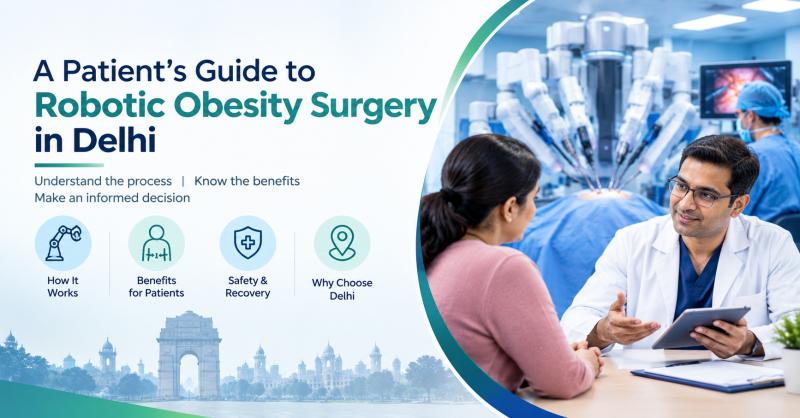
A Patient's Guide to Robotic Obesity Surgery in Delhi
 Rajan
Rajan
Deciding on weight loss surgery is a big step, and the number of options can feel overwhelming. Many patients begin by searching for the best robotic obesity surgeon in Delhi, but a better starting point is understanding what the surgery involves, whether you qualify, and what life looks like afterwards. This guide walks through each stage so you can have a more informed conversation with any surgeon you consult.
Understanding Obesity as a Medical Condition
Obesity is a chronic condition, not a failure of willpower. Genetics, hormones, sleep, stress, medications and eating patterns all play a role. It is closely linked to type 2 diabetes, high blood pressure, fatty liver disease, sleep apnea, joint pain, PCOS and reduced fertility.
South Asians tend to develop metabolic problems at lower body weights than Western populations. This is why Indian and Asian guidelines use lower BMI thresholds for surgery.
What Makes Robotic Surgery Different?
In robotic-assisted bariatric surgery, the surgeon sits at a console and controls robotic arms through a few small incisions. The system provides a magnified 3D view, wristed instruments with a wide range of motion, and tremor filtering. The robot never acts independently, so every step is directed by the surgeon.
For routine procedures, studies show robotic and standard laparoscopic surgery have comparable safety and weight loss results. The robotic approach tends to help most in:
- Patients with a very high BMI or an enlarged liver
- Revision surgery after a previous bariatric operation
- Complex bypass procedures needing fine suturing
- Cases where access is limited by a confined space
Robotic surgery is a useful tool, not a guarantee of a better outcome. The surgeon's experience still matters most.
Are You a Candidate?
Guidelines commonly followed in India suggest surgery may be considered if:
- Your BMI is 35 or higher, regardless of other health conditions, or
- Your BMI is 32.5 or higher with obesity-related conditions such as type 2 diabetes or hypertension, and
- You have tried supervised diet and exercise programmes without lasting success.
Surgery may not be advisable with active substance dependence, uncontrolled psychiatric illness or eating disorders, or certain severe heart, lung or liver conditions. A proper evaluation should cover all of these.
Types of Robotic Weight Loss Surgery
Sleeve gastrectomy removes about 75-80% of the stomach, leaving a narrow tube. It limits how much you can eat and lowers hunger hormones.
Roux-en-Y gastric bypass creates a small stomach pouch and reroutes part of the intestine. It is often considered for patients with significant reflux or diabetes.
One-anastomosis gastric bypass (OAGB) is a simpler bypass with a single intestinal connection, offering strong weight loss for suitable patients.
Revision surgery corrects weight regain or complications from an earlier procedure and generally demands more expertise.
Each has different benefits and risks, so the choice should come from your medical profile rather than trends or cost alone.
Your Journey, Step by Step
Before surgery: Expect blood tests, imaging, an endoscopy in some cases, and assessments by a dietitian and sometimes a psychologist. A pre-operative diet may be advised to shrink the liver and make surgery safer.
On the day: The operation usually takes one to three hours under general anaesthesia.
In hospital: Most patients stay two to three days.
Recovery: Light activity typically resumes within one to two weeks. Diet progresses from liquids to purees to soft foods, then regular meals, over about four to eight weeks.
Long term: You will need lifelong vitamin and mineral supplements, periodic blood tests, regular exercise and mindful eating. Follow-up is where much of the long-term success is decided.
Risks Every Patient Should Know
All surgery carries risk. Possible complications include bleeding, infection, staple-line leaks, blood clots, gallstones, acid reflux and nutritional deficiencies. Some people also experience hair thinning or loose skin as weight drops. Robotic procedures can cost more, and insurance coverage varies, so check this early. A good surgeon will discuss these openly rather than downplay them.
How to Choose the Best Robotic Obesity Surgeon in Delhi
There is no official ranking, so "best" really means the right fit for your needs. Useful things to check:
- Qualifications: Recognised training in general, laparoscopic and bariatric surgery
- Experience: Volume of robotic bariatric procedures, plus complication and revision rates
- Team approach: Access to dietitians, physicians, anaesthetists and counsellors
- Communication: Clear answers about alternatives, risks and realistic weight loss
- Follow-up: A structured plan for the first year and beyond
- Facility: ICU backup and a hospital experienced with robotic platforms
Frequently Asked Questions
1. Is robotic obesity surgery painful?
Incisions are small, so most patients report manageable discomfort controlled with medication. Pain is generally less than with open surgery.
2. How much weight will I lose?
It depends on the procedure, your starting weight and your habits. Most people lose the bulk of their weight in the first 12 to 18 months. Diet and activity determine how much stays off.
3. Can I regain weight after surgery?
Yes. Some regain is common over the years, especially without follow-up or lifestyle changes. Revision options exist if needed.
4. How do I find the best robotic surgeon in Delhi NCR?
Compare training, procedure volume, complication rates, team support and follow-up structure across at least two or three surgeons. Patient education and honest discussion of risks are good signs.
5. Will I need supplements for life?
Generally yes, particularly after bypass procedures. Multivitamins, calcium, vitamin D and B12 are commonly needed, guided by regular blood tests.
Conclusion
Robotic surgery has made bariatric operations more precise, especially in complex cases, but it is only one part of a successful journey. Your outcome depends on choosing the right procedure, following the post-operative plan, and working with a team you trust. Whether you are looking for the best robotic obesity surgeon in Delhi or the best robotic surgeon in Delhi NCR, take your time, ask detailed questions and compare more than one opinion before you decide.
Disclaimer: This article is for general information only and is not a substitute for personal medical advice. Please consult a qualified healthcare professional before making treatment decisions.
Source:
Click for the: Full Story
You might like